











"Charlie was absolutely raving about the Sprite when we would stop [enroute from Sebring to L.A.] for chow — the tremendous ease of stopping with the disc brakes, its ability to stick like glue in the turns, and the little engine’s fantastic surge of power above 4500 rpm.” Ocee Ritch, Sports Cars Illustrated, July 1959.
Launched in 1958, the Austin-Healey Sprite - “a little car that anyone could keep in a bike shed” (on its side, presumably) was an instant success on both sides of the Atlantic. Affectionately dubbed the “Frogeye” in Britain and “Bugeye” in the United States (where frogs are viewed with suspicion), the Sprite was powered by BMC’s 948cc engine but weighing in at just over 600kg, it still offered agile handling and spirited performance. Before long however, owners were clamouring for more ‘Sport’ with their sportscars and a whole industry sprung up in the UK to supply their demands. As Geoffrey Healey himself noted at the time, “Unfortunately, a number of so-called tuners did nothing but extract money from those owners who were unfortunate enough to use their services”. Someone who was definitely not part of this ‘snake oil’ brigade was John Sprinzel, who’d set up Speedwell Performance Conversions in 1957 and, with the help of a certain Graham Hill, grew the company to become Britain’s top performance tuners, covering the whole gamut from engine kits to make you go faster, uprated brakes to make you go slower and suspension components to make you go round corners - to the extent that the ‘Speedwell Sprite’ became virtually a stand-alone model.
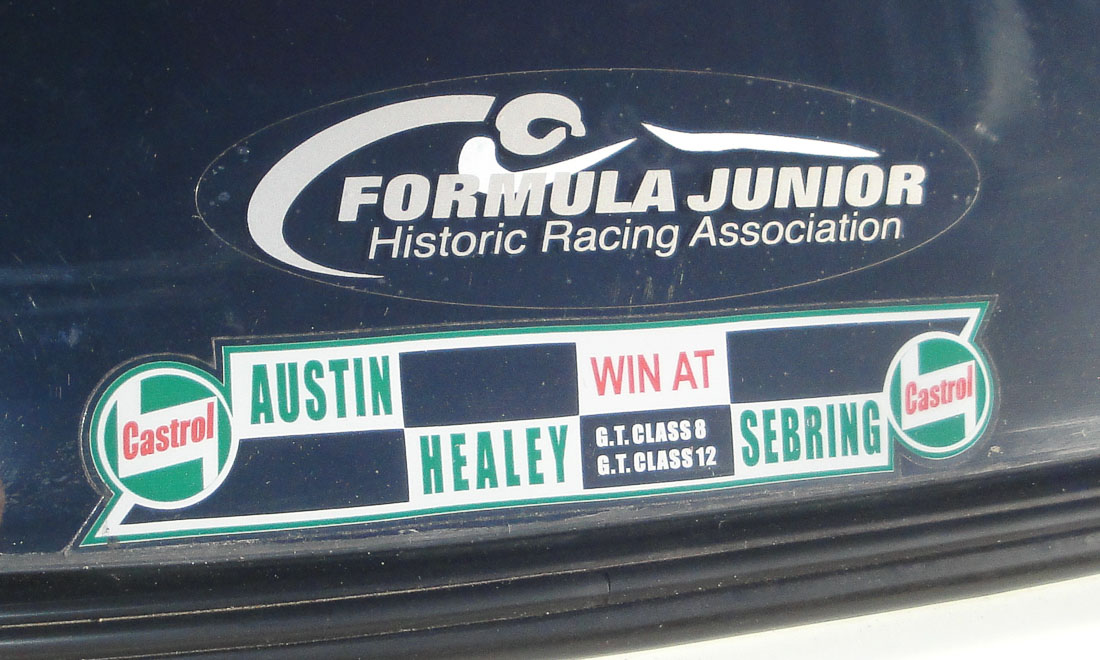
At the same time, on a more ‘official’ level, in March 1959 the BMC Competition Department entered three Austin-Healey Sprites for the Sebring 12 Hours Grand Prix d'Endurance in Florida. The cars were prepared by Donald's son Geoffrey Healey at the company's Cape Works in Warwick and were fitted with stiffer suspension and prototype disc brakes on all four wheels as well as wire wheels and tyres, all courtesy of Dunlop. Larger twin 1 1⁄4” (whooo hoooo!) SU’s gave the engines more performance and twin-plate racing clutches took the drive to straight-cut close-ratio gearboxes. The Sprites duly locked out the podium in their class, laying the foundations for a succession of more focused competition cars -and thus, the ‘Sebring Sprite’ was born – in the same way that racing success gave us the Porsche ‘ Carrera’, the Ferrari ‘Daytona’ and the Honda ‘Asda-Car-Park’.
Austin-Healey subsequently offered to bring customers' Sprites to a specification similar to that of the Sebring cars, this time with twin 1 1⁄2” SUs and a complete replacement braking system featuring 8 1⁄2” discs for the front wheels and 8" drums at the rear, with all brake lines, unions and flexible hoses replaced, this time with Girling equipment.
Modifications often amounted to significantly more than a set of bolt-on accessories however. Early examples retained ‘standard’ bodywork but later iterations wore part-aluminium or fibreglass coupé bodies designed by aerodynamicists such as Frank Costin and built by specialist coachbuilders, prominently Williams and Pritchard, often at the behest of John Sprinzel (him again) who’d been lured away from Speedwell in 1960 by Donald Healey himself.
Working in tandem with The Cape Works in Warwick, Healey offered Sprinzel the opportunity to set up the Healey Speed Equipment Division at Grosvenor Street in London - with the added incentive of Healey works drives for him at both Sebring and Le Mans – and Sprinzel (by now the reigning British Rally Champion) brought a racer’s eye to these cars, improving aerodynamics and reducing weight — crucial advantages whether you’re endurance racing, hill climbing or just popping out early on a Sunday morning to ‘get a pint of milk’.
The modifications were substantial enough that the Sebring Sprite was recognised by the FIA as a separate model in its own right and it was officially homologated on 17 September 1960, allowing it to compete in FIA-sanctioned GT classes around the world.
Today, the Sebring Sprite is seen as much more than just a racing variant of a modest British roadster. It represents an era of spirited competition where ingenuity could triumph over power and where passionate drivers and engineers could build cars that punched far above their (diminutive) weight. From the airfields of Florida to classic events across Europe, these tiny machines remain icons of their time — cherished for their history, dynamic driving experience and unmistakable character.
For classic car collectors and motorsport devotees alike, the Sebring Sprite embodies the very essence of what made the golden age of British Sportscars so compelling: pure, unpretentious performance that still delivers more smiles per mile than many an exotically horsepowered thoroughbred.
Turning to this particular machine, generally speaking, the quality of replacement bodies can leave something to be desired against their obviously somewhat better developed, mass produced Factory originals but as far as Sebring Sprites go, one name gives one a warm and fuzzy feeling as opposed to a shiver down the spine - Brian Archer. Having said that, even with Archer's Garage's finest as a basis, many a well-intentioned enthusiast has managed to turn these Michelin starred ingredients into a bit of a dog’s dinner. Ideally you want the best bits (tick) put together by a seasoned professional (double tick); step forward Mr Steve Norton of world-renowned Healey gurus, Cape International. Between customer restorations (and picking up awards for his work) Steve has occasionally slotted in projects for his own personal use. The freedom to produce a machine to his exact taste with no counting of the cost of components or hours spent that might give a paying customer apoplexy, has proved to be a welcome release from the day job and the results speak for themselves.
Back in 2010, on the hunt for a ‘Little’ Healey that would be something his whole family could enjoy, Steve was alerted to a Frogeye Sprite project which proved to be an ideal basis for the Sebring; the only downside was that after a considerable period of time sitting idle, on pre-purchase inspection, the old girl fired up and ran sweetly, consequently somewhat favouring the seller in the ensuing negotiations…
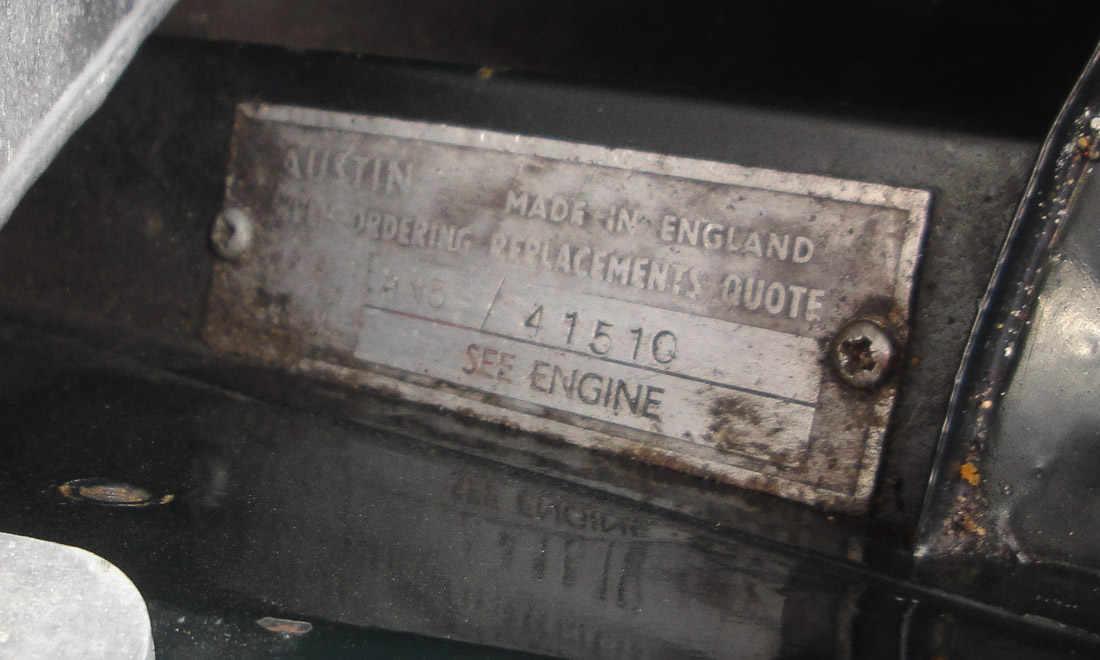
The original ‘Buff logbook’ on file confirms that the Sprite was registered on 28th June 1960 as a Home Market right hand drive machine finished in Cherry Red. Said logbook details some three changes of ownership over the next seven years, a couple of Private Number Plates and a change of colour to light blue in 1964.
Over the next five years, the car was stripped to a bare shell and rebuilt bodily and mechanically to the fabulous standard still obvious today, over 10 years since its completion.
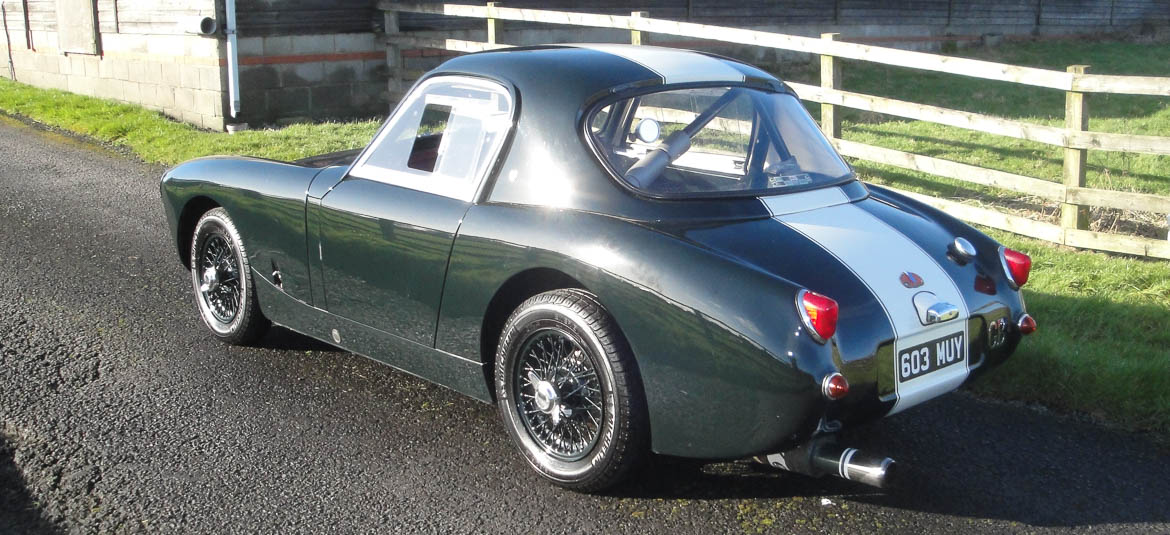
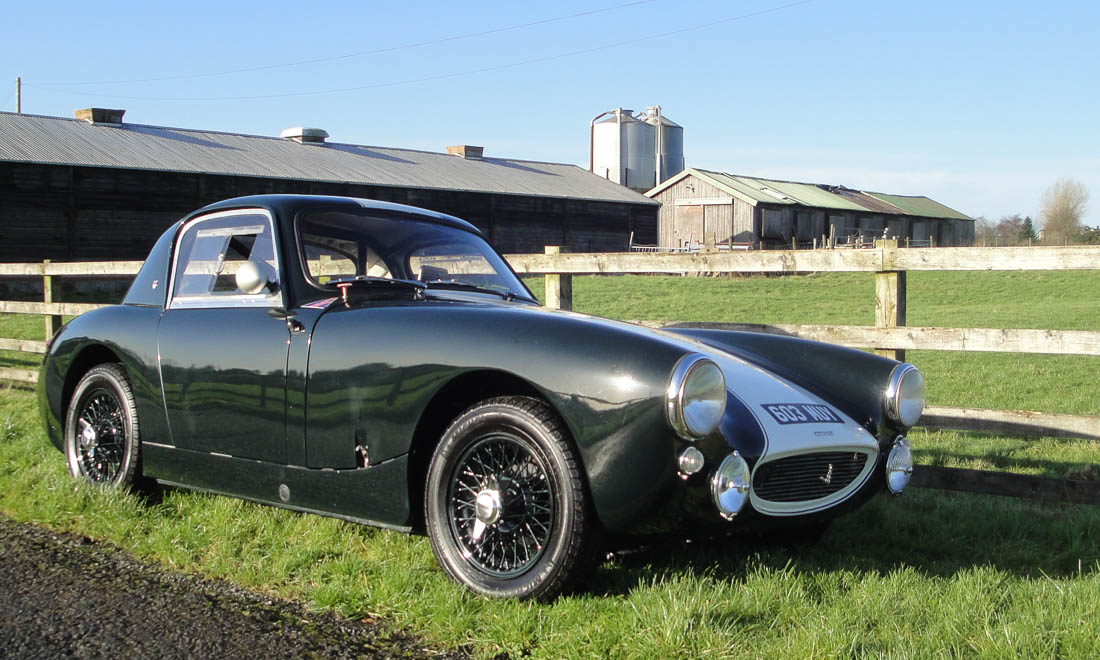
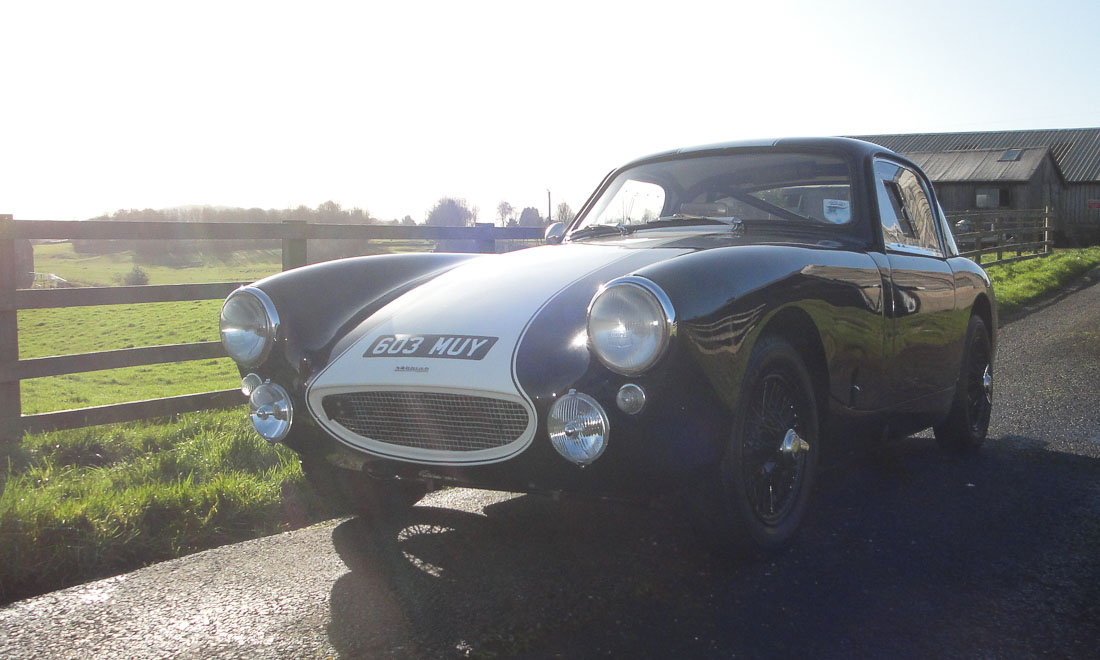
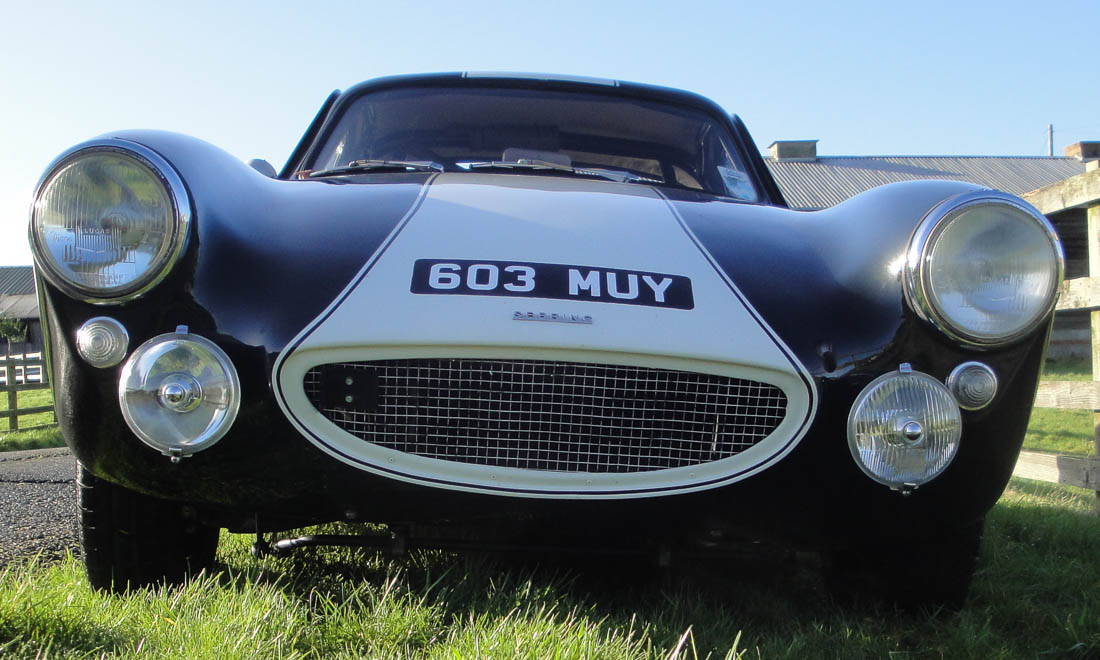
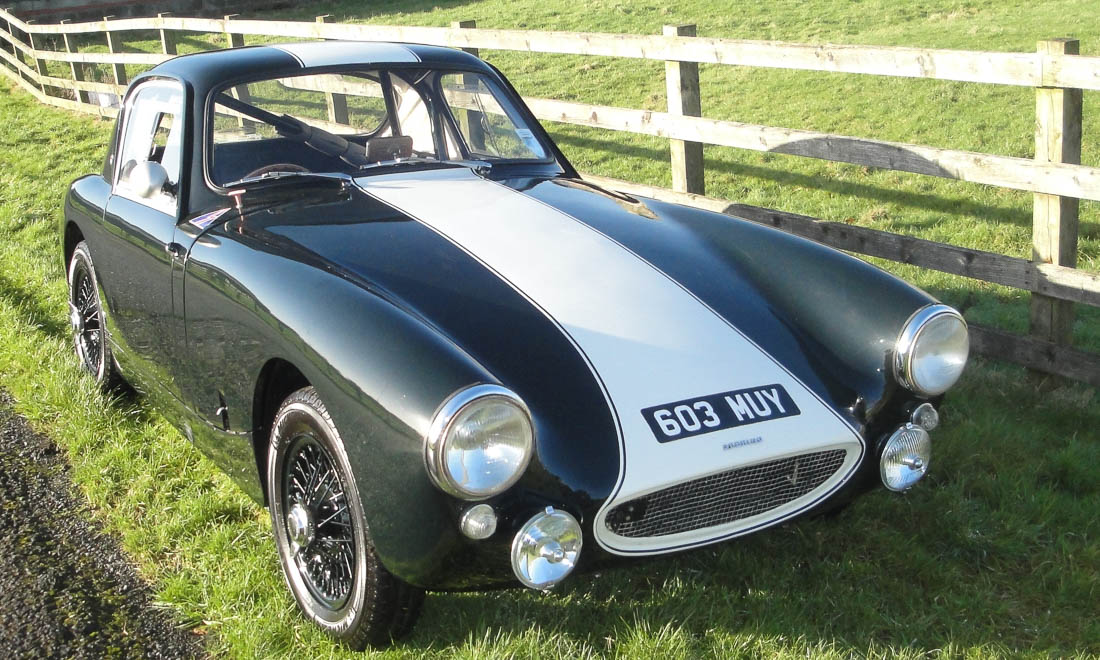
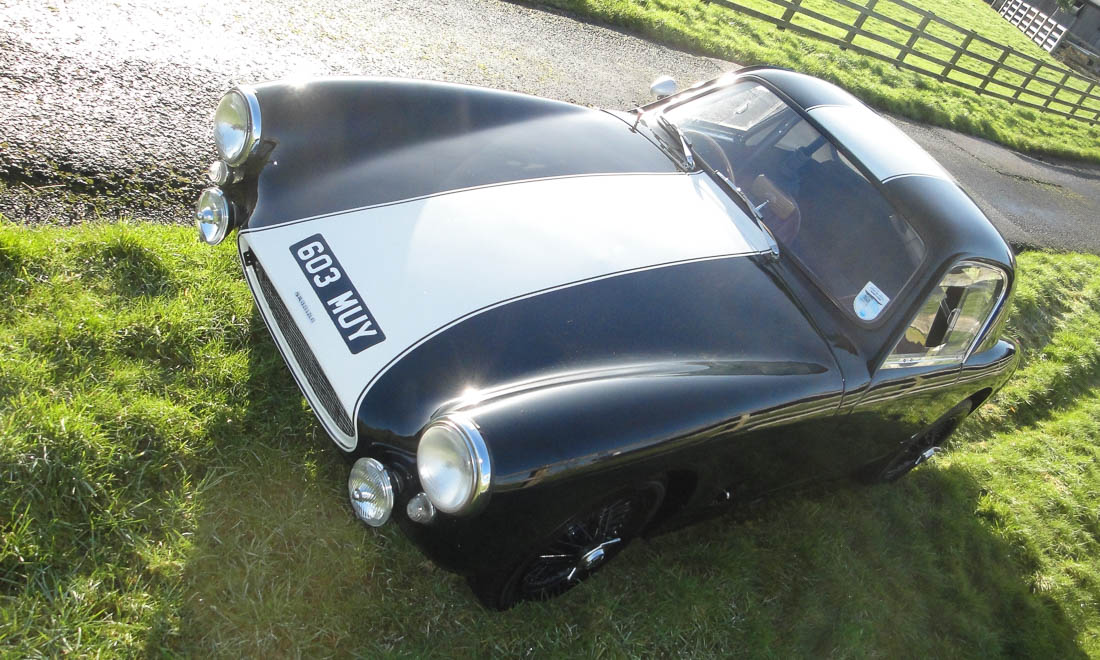
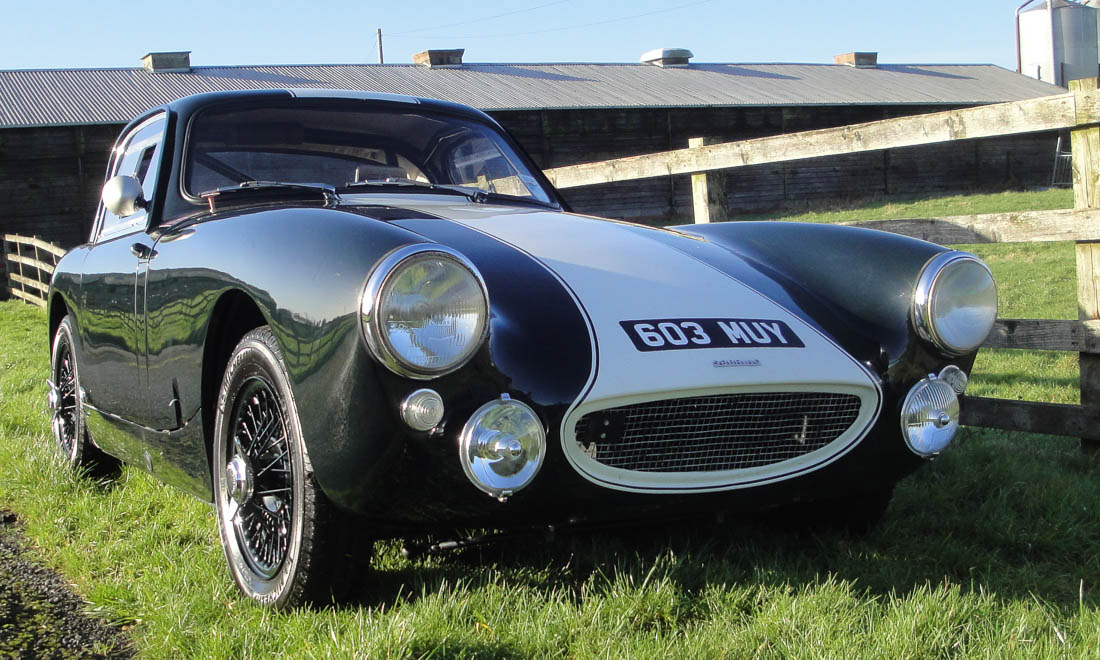
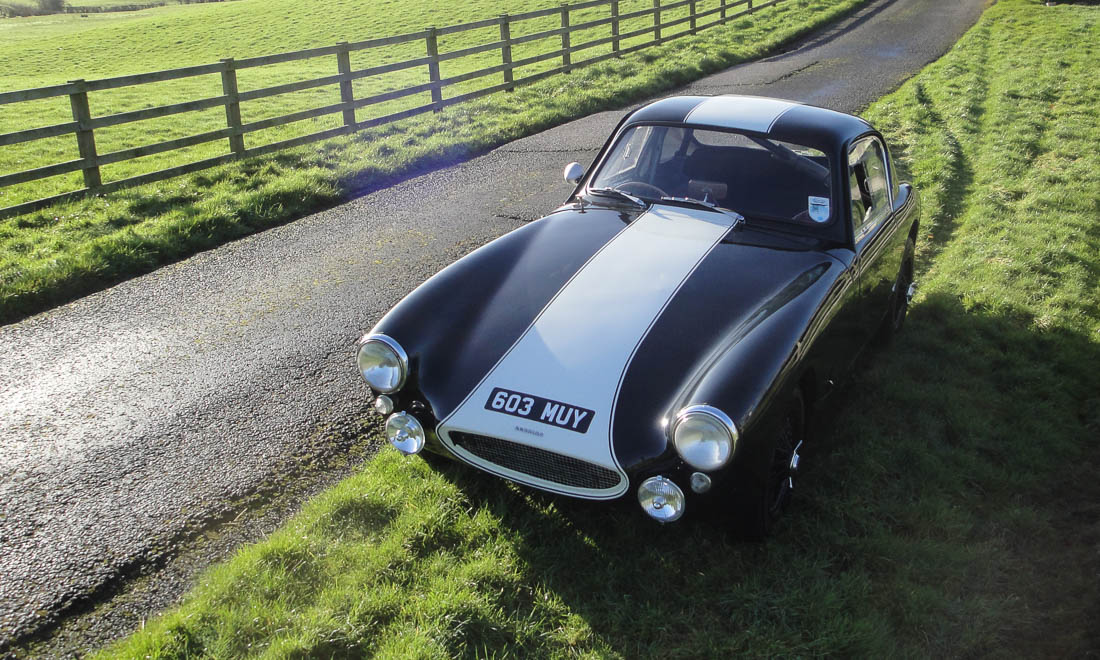
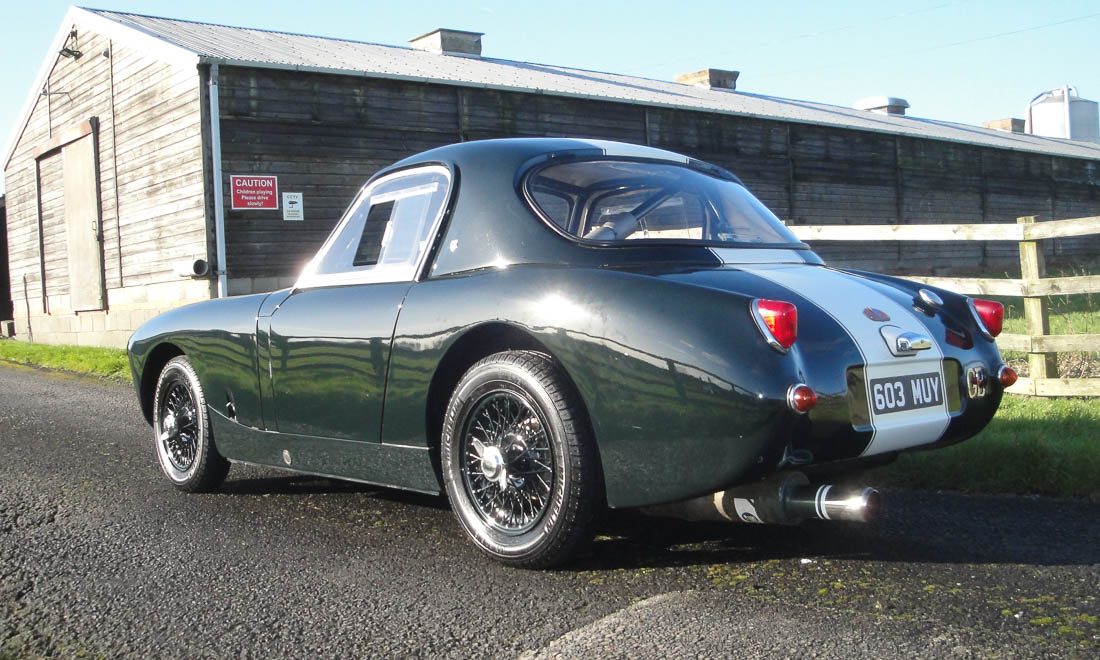
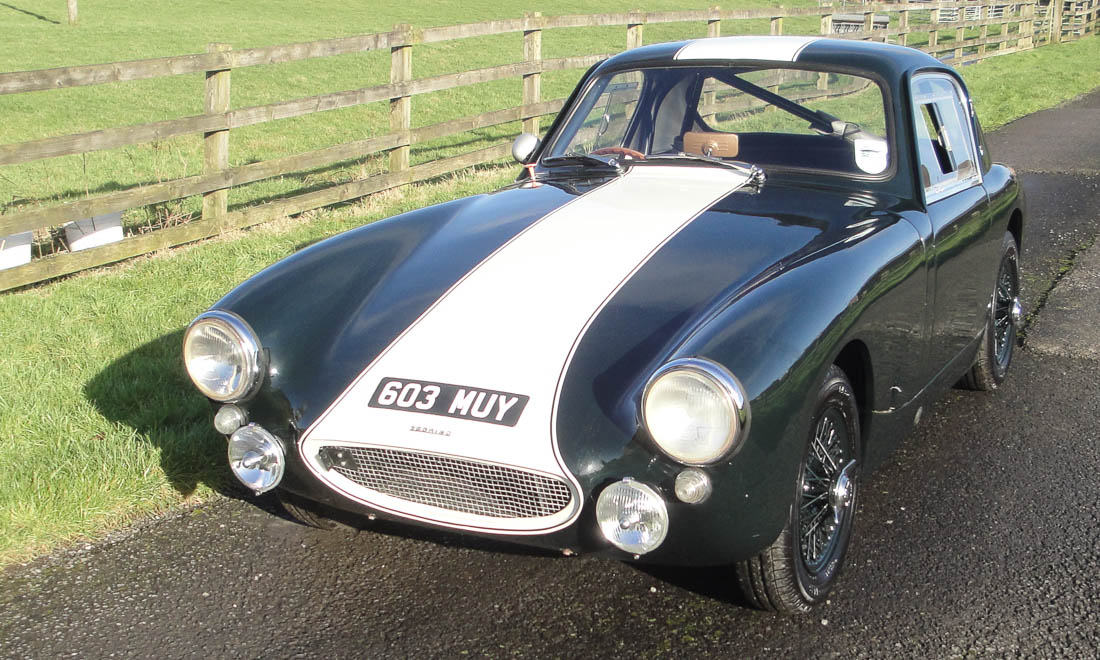
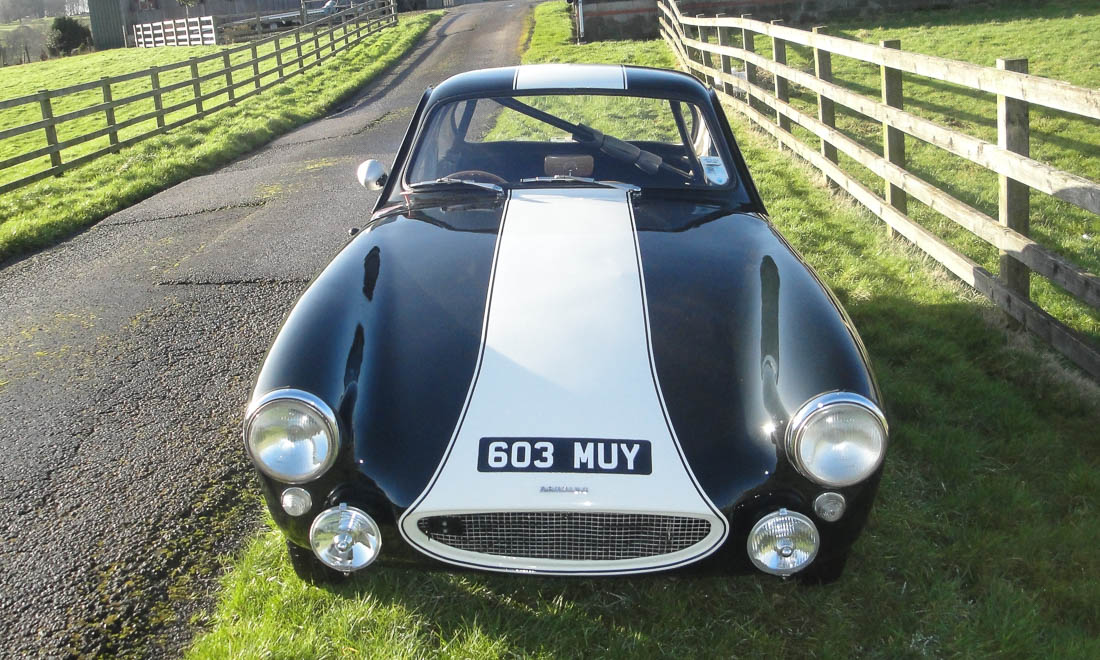
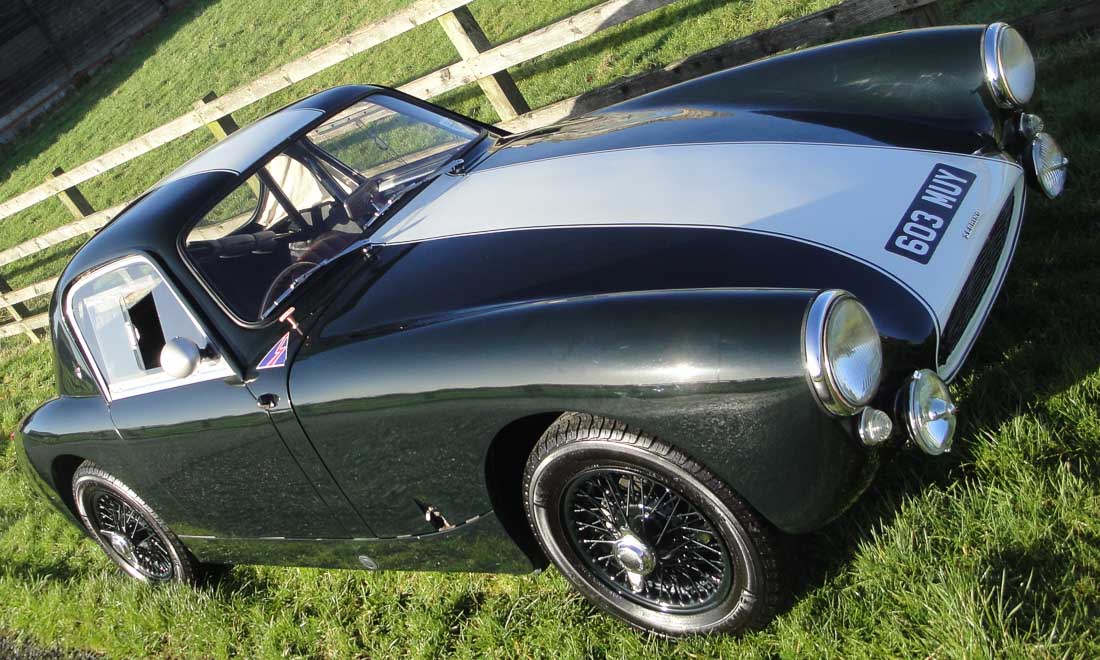
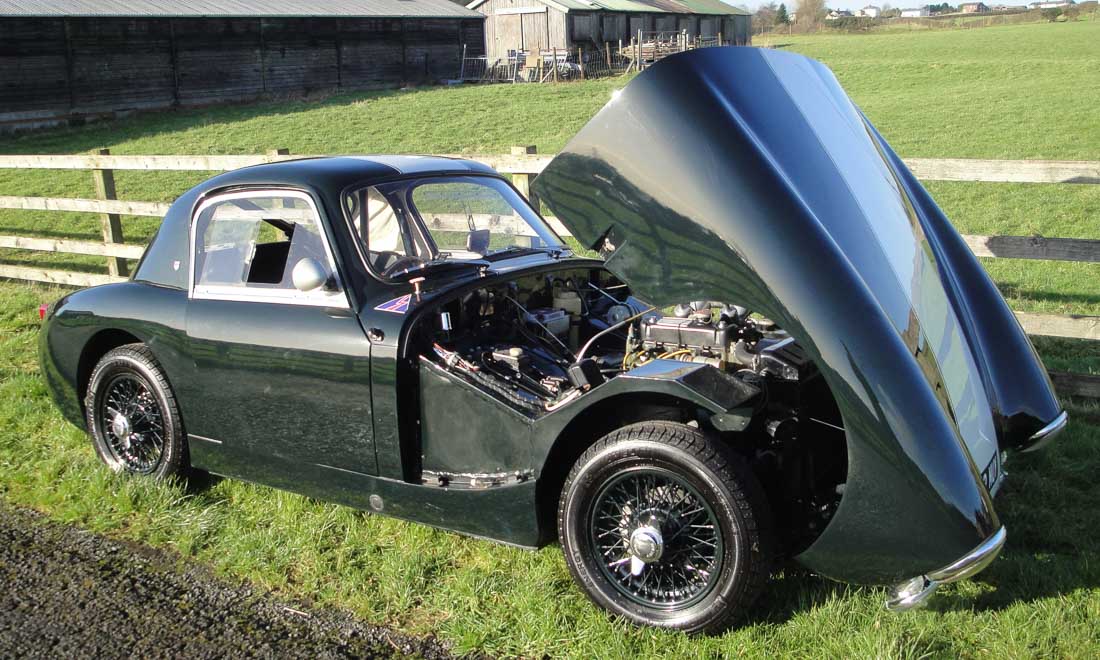
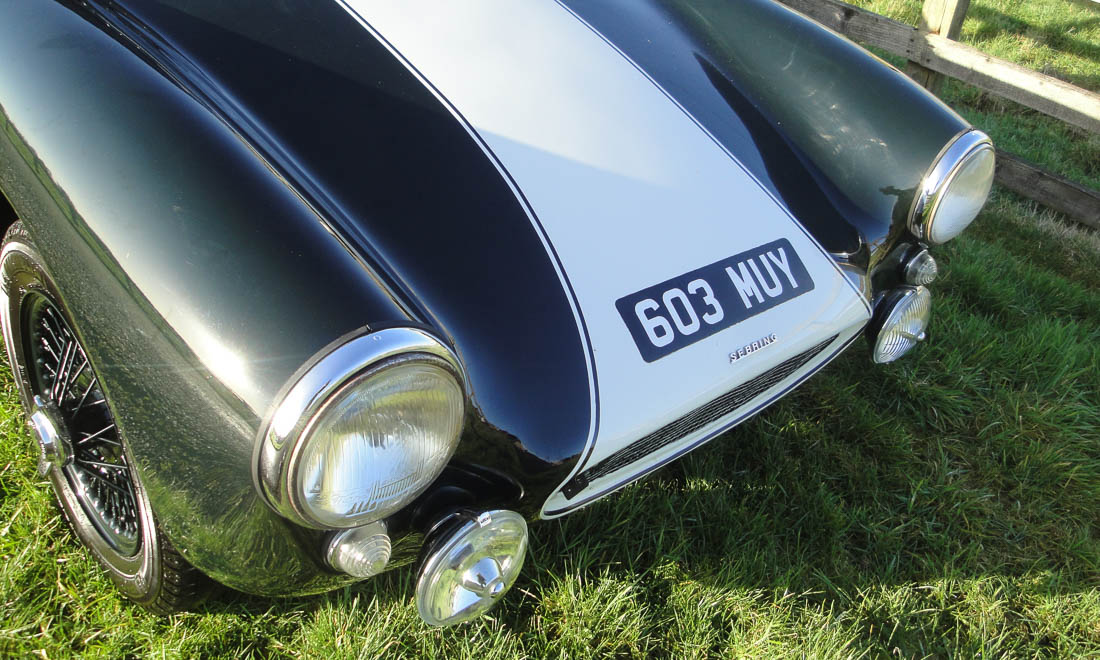
The main body structure proved to be in solid but repaired condition so the biggest challenge was the undoing of previous somewhat functional efforts, before better standard repairs could be made. Obviously, the upper body was taken care of by the expert fitting of the Archers body (Number 37 since you asked) and the completed shell was finished in Cape’s signature Dark British Racing Green, offset by a triple Old English White stripe, all carried out to a very high standard.
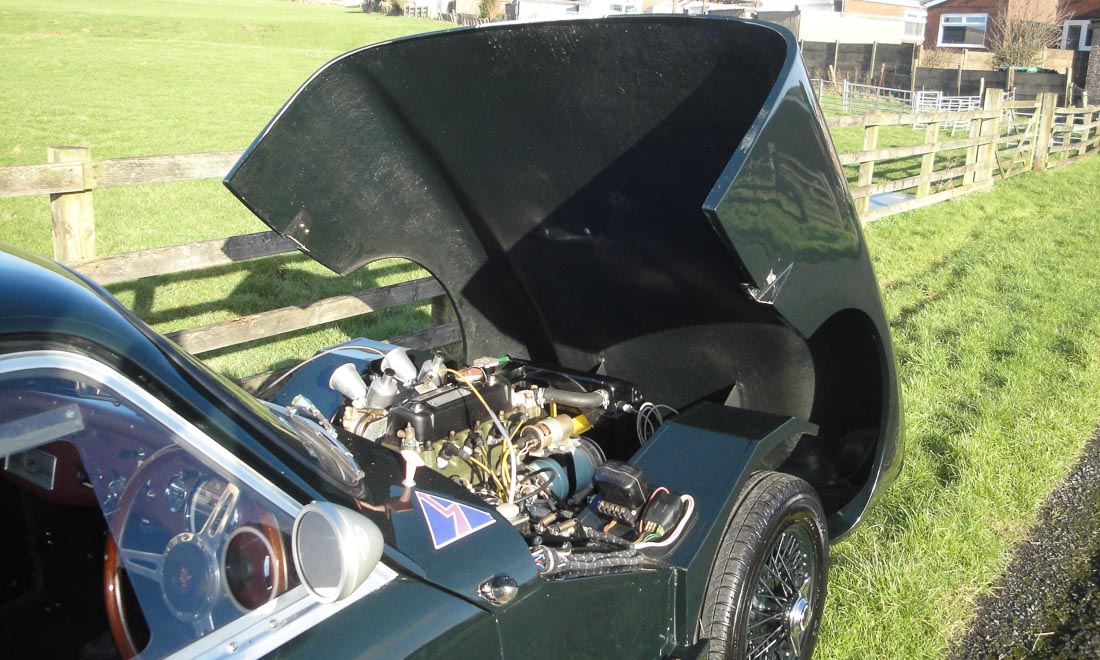
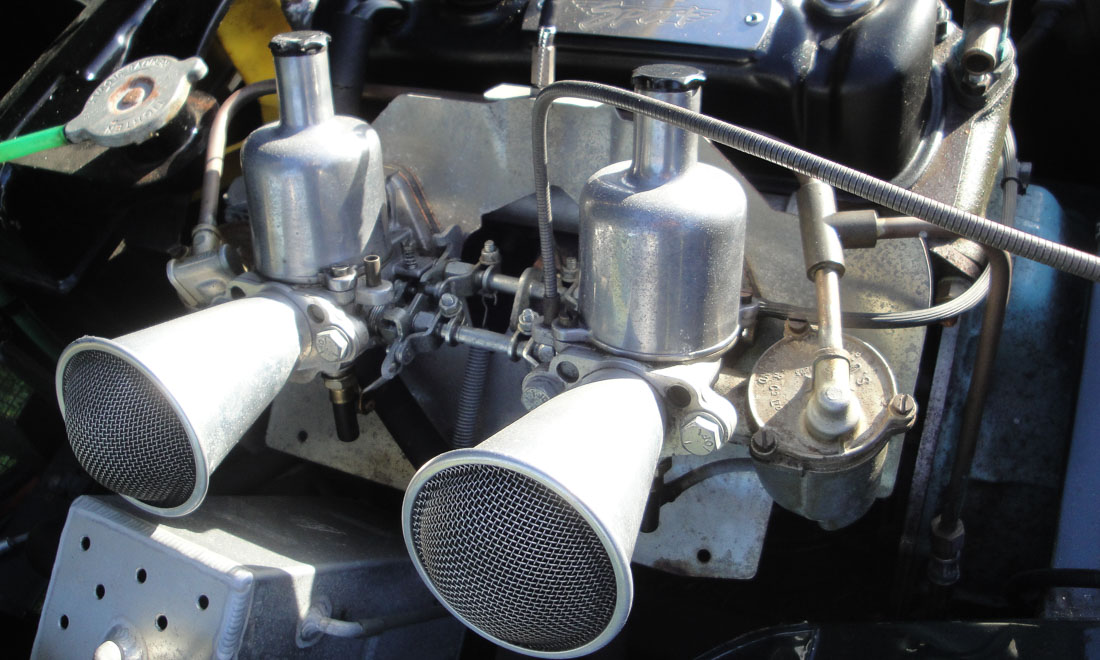
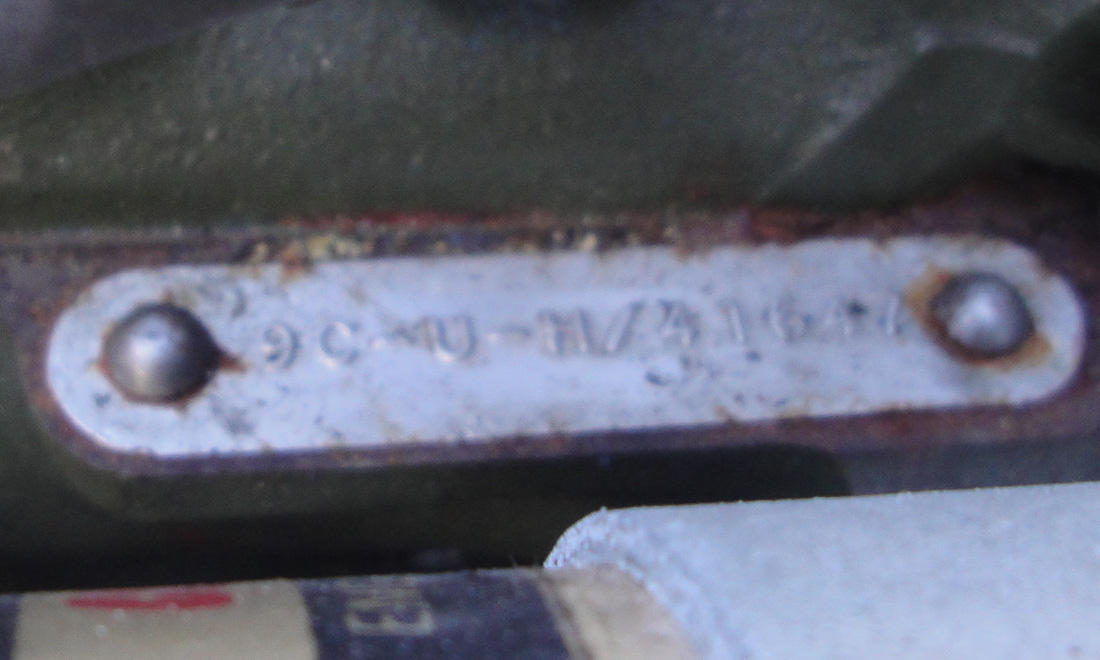
According to Steve, mechanically the Sprite was in good shape with the engine (going by the Buff logbook, remarkably, its original unit) apparently sporting a gas flowed Cooper S cylinder head and twin 1 ½” carburettors. A later registration document would indicate that it had also been treated to an increase in capacity to 1098cc from its original mighty 948cc. All this very period ‘go faster’ kit was supplemented by ‘go further’ items such as a stronger rib-cased gearbox. These bonus bits were meticulously rebuilt by Sprite experts with the engine receiving the following goodies:
+20 Hepolite pistons (to give an engine capacity of 1115cc)
Big valve, ported cylinder head, 10.25:1 compression ratio, balanced combustion chambers
Swiftune SW5 07 cam
Lightened flywheel with race/rally clutch, fully balanced with the crank and blueprinted rods
Dynalite alternator
‘Slimline’ gear reduction starter motor
New bearings, gaskets etc. throughout
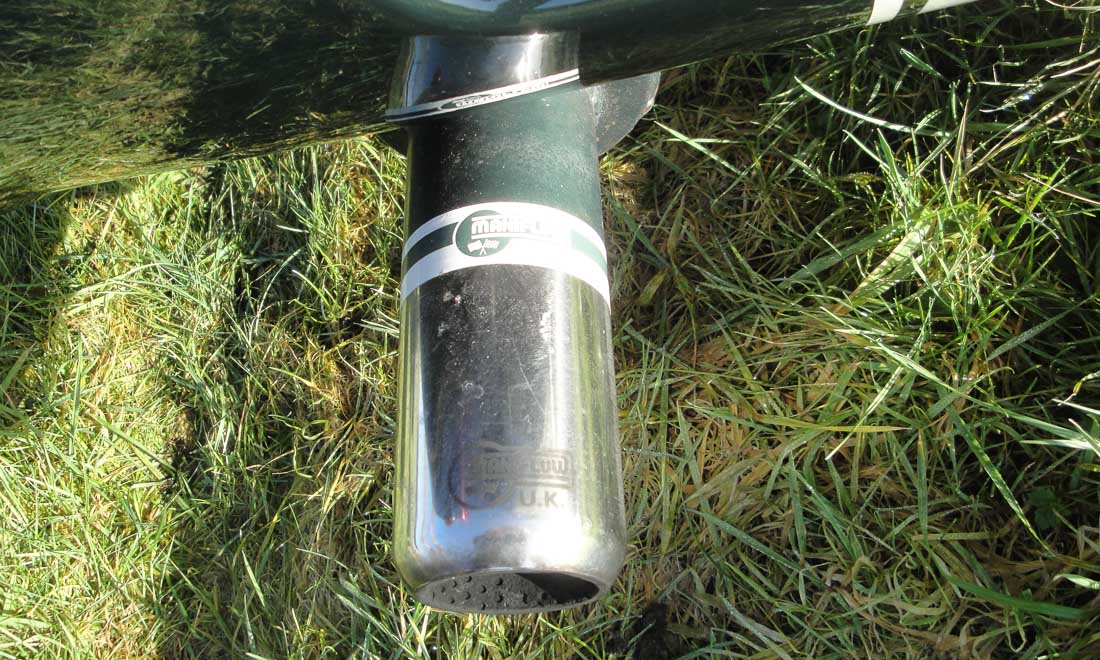
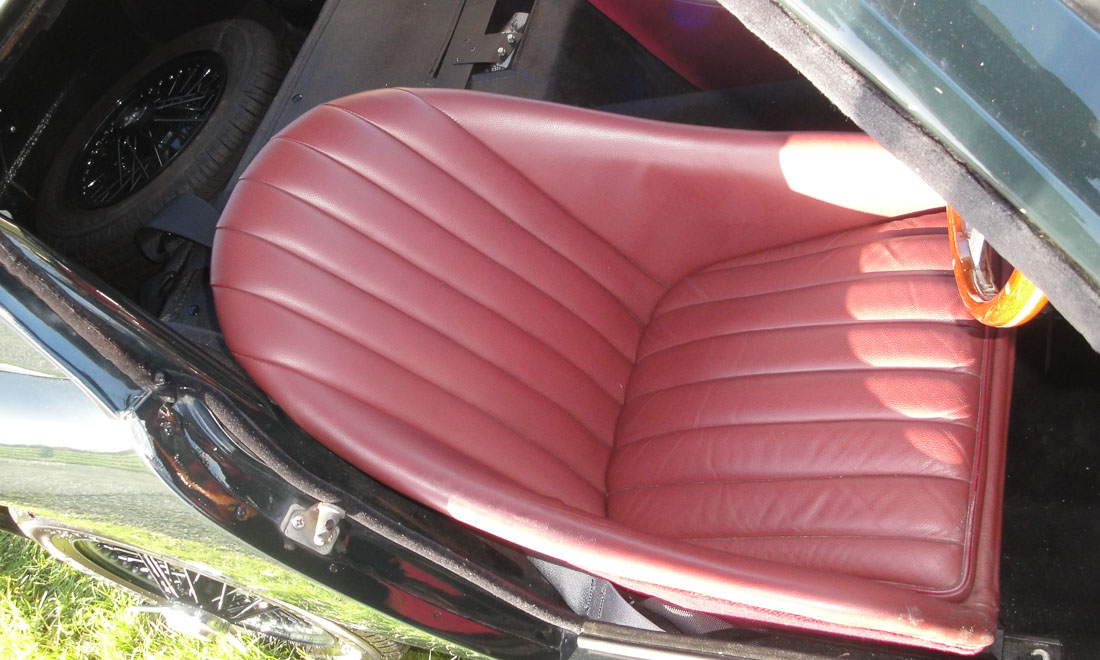
The car was reassembled with the best of uprated components such as a Stage 2 long centre branch exhaust system by Maniflow, beefy disc brakes with uprated pads, wire wheels, one of Frontline’s excellent panhard rod kits, a custom made cloth bound wiring loom from Autosparks and a plethora of Sebring correct parts from the Archers catalogue such as the well sculpted bucket seats (nearly £1,500 including trade discount).
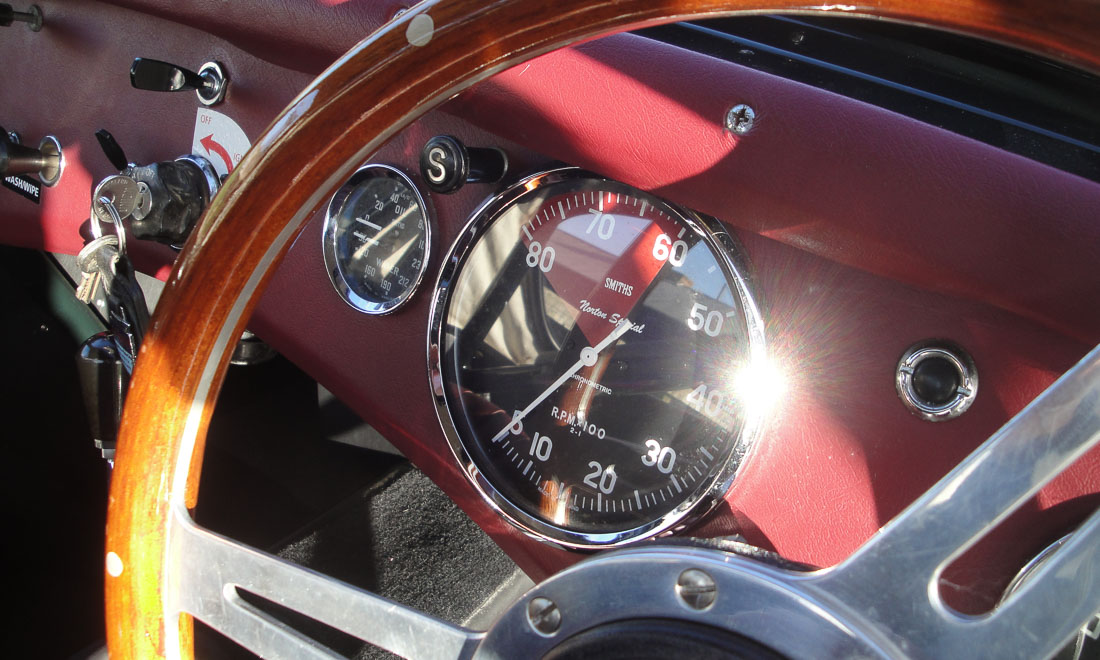
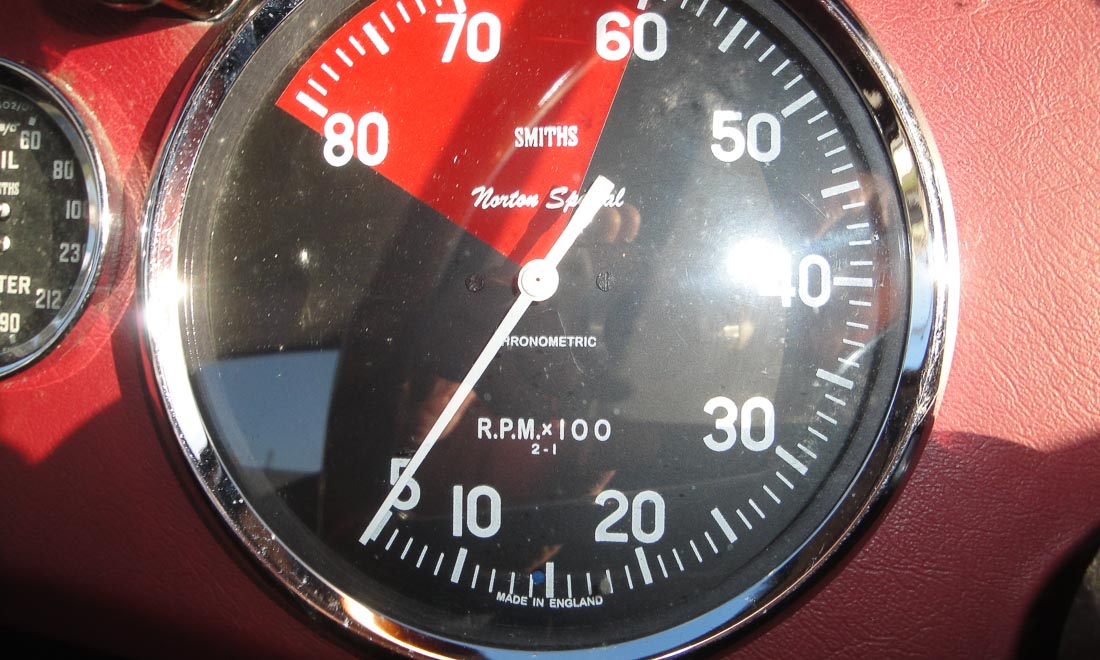
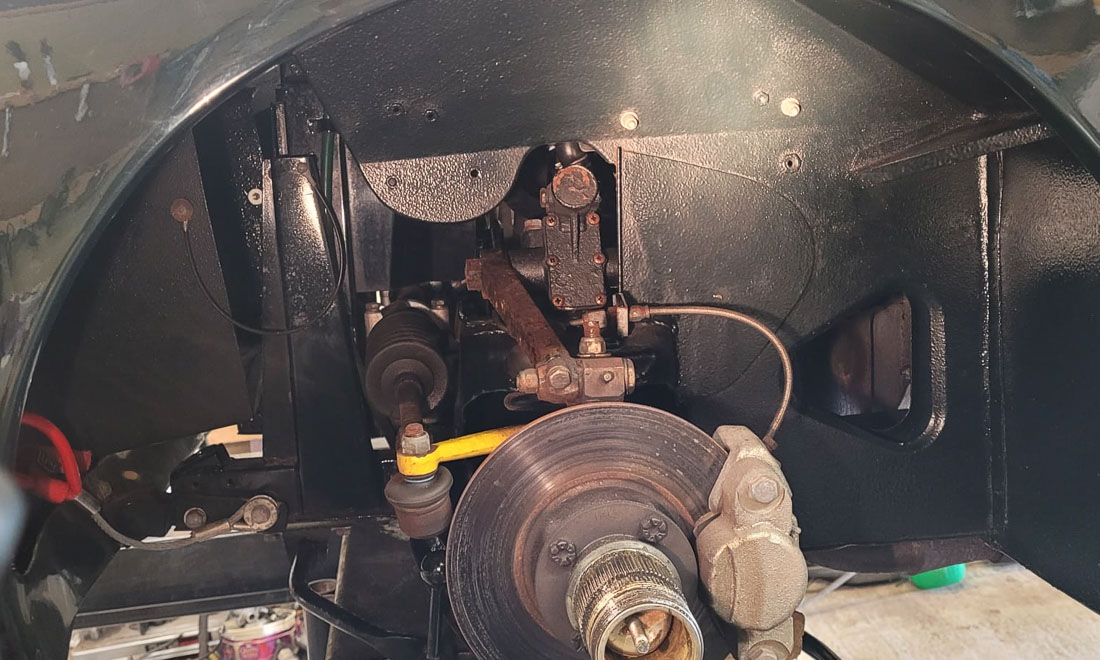
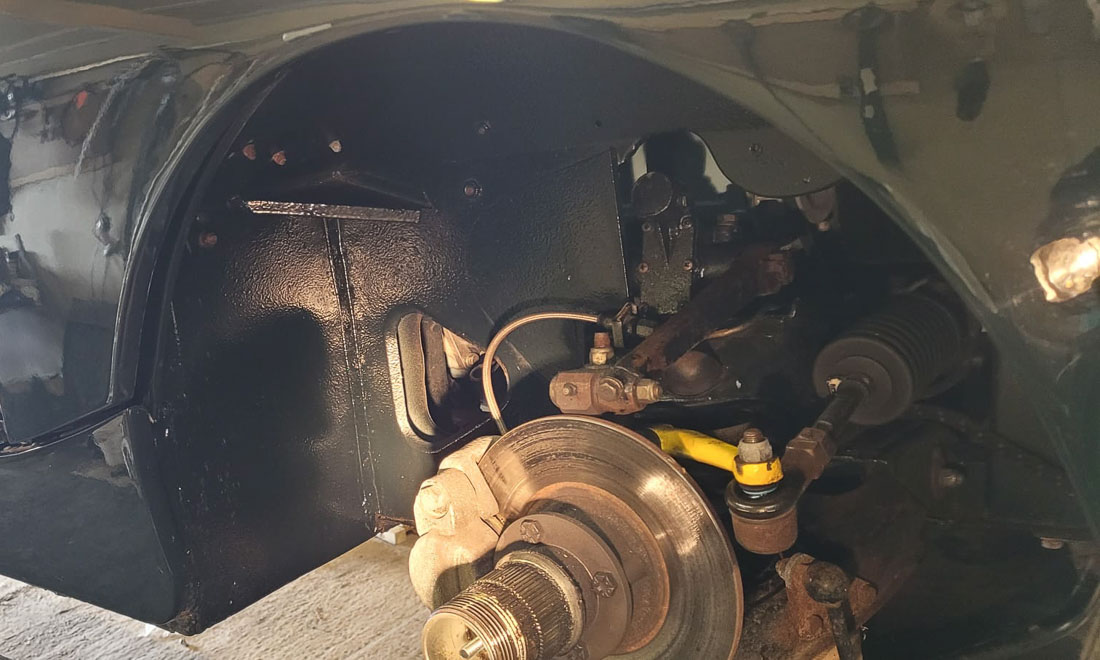
As with all such builds, the devil is in the detail and reference to period photographs of Factory Sebring race cars ensured that not only spectacularly obvious features such as the dinner plate sized Smiths chronometric tachometer but also the more subtle items such as yellow finished steering arms plus the cable and pipe runs, are all exactly to period Factory specification. A few of the rather lovely touches that stood out for us are:
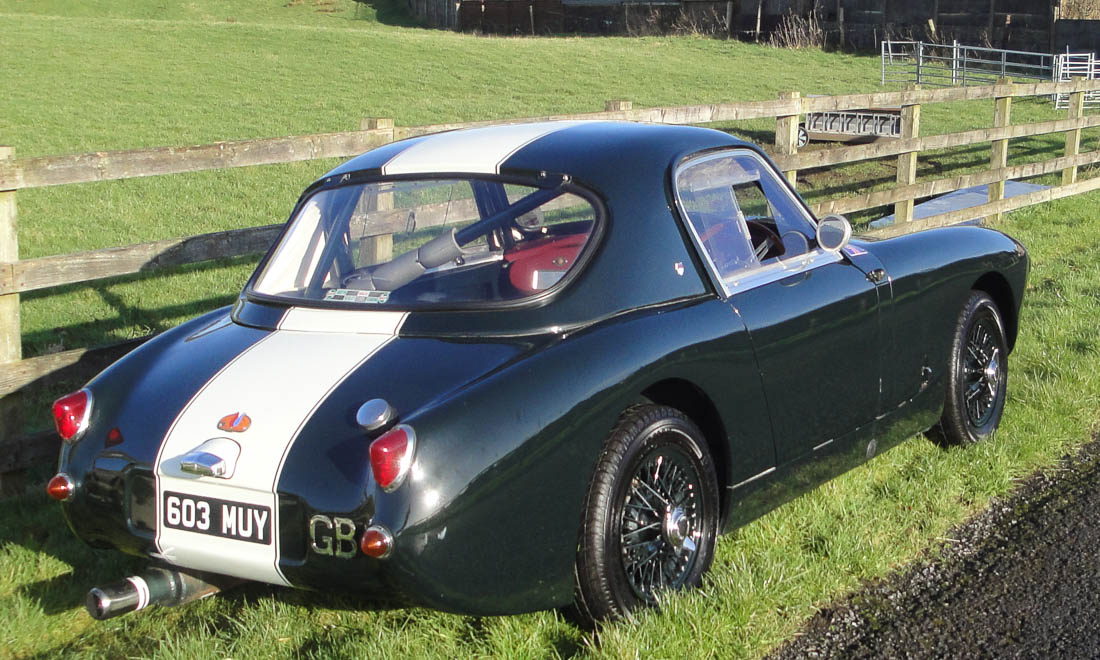
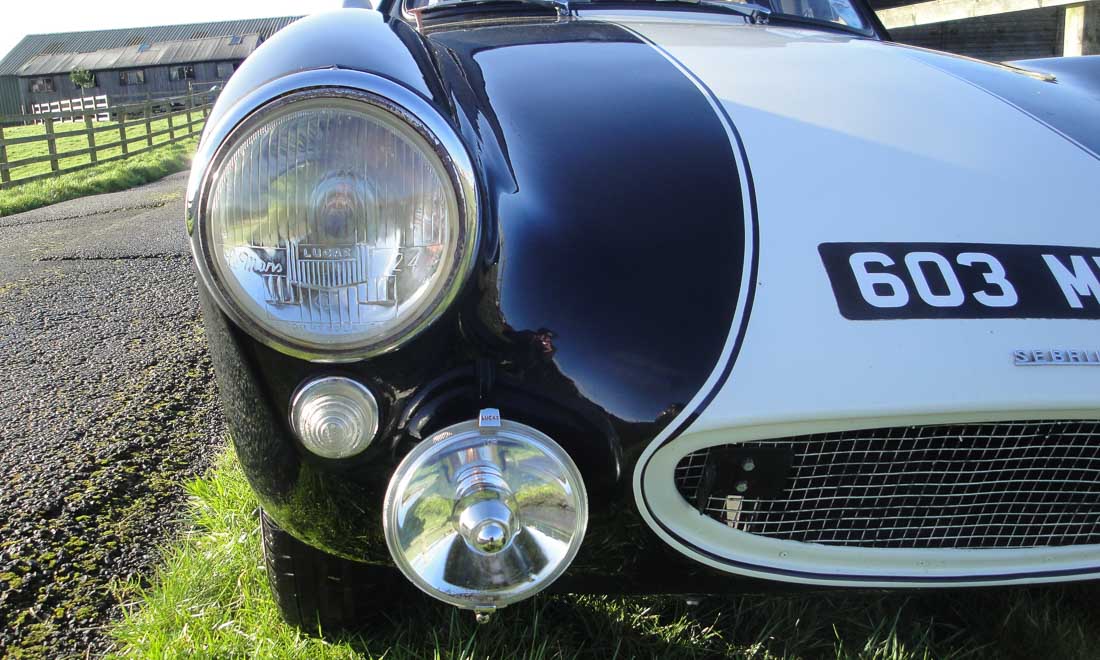
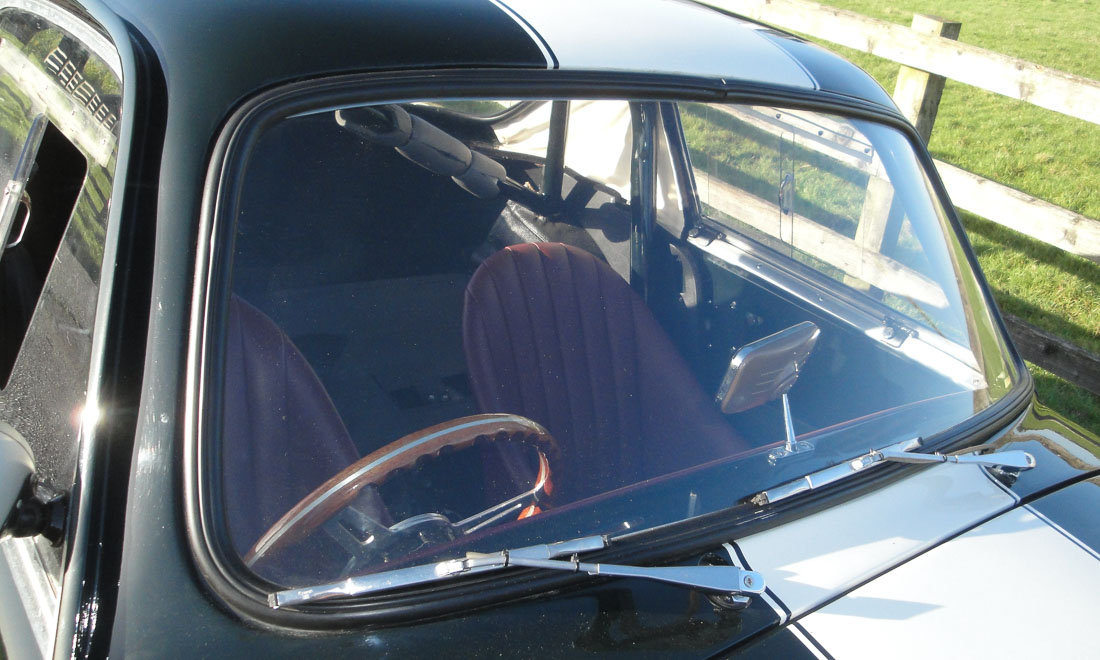
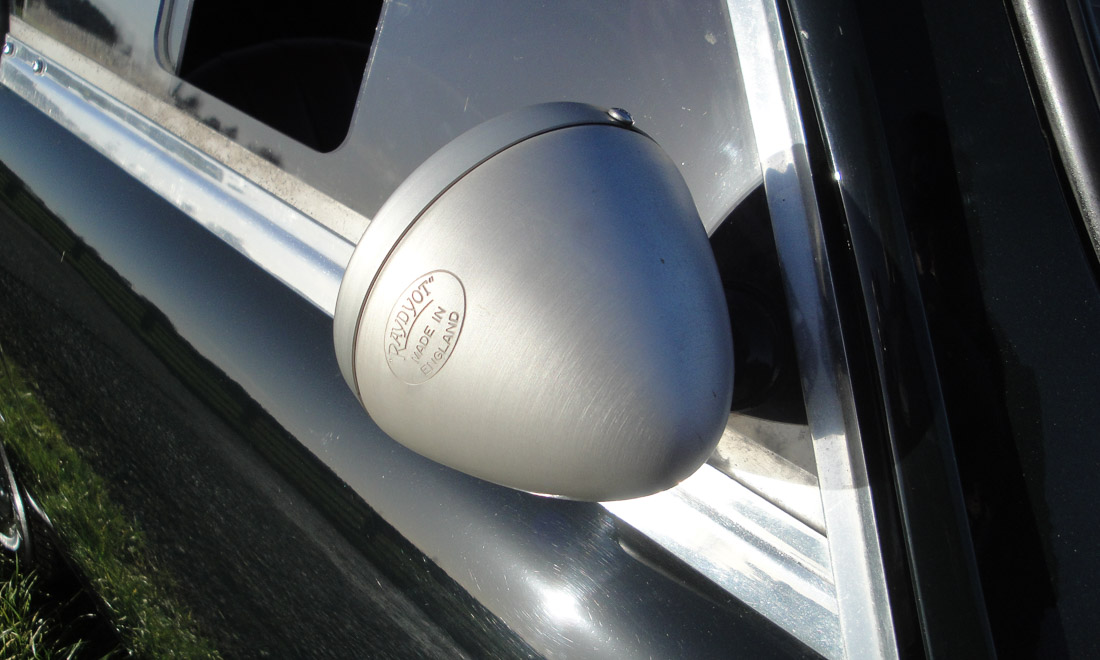
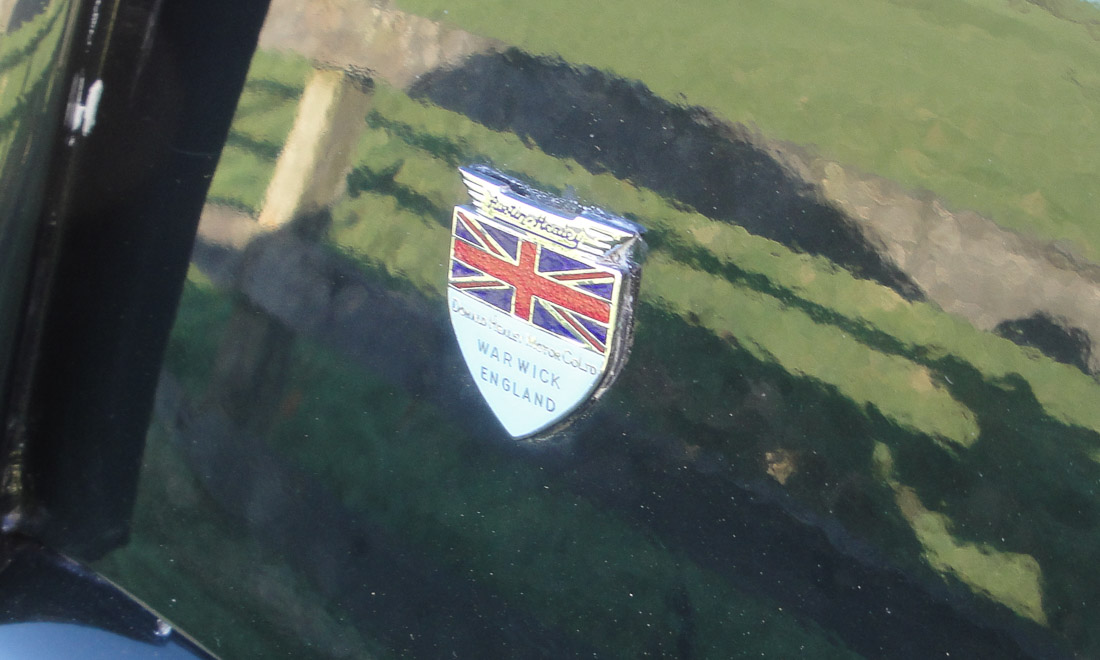
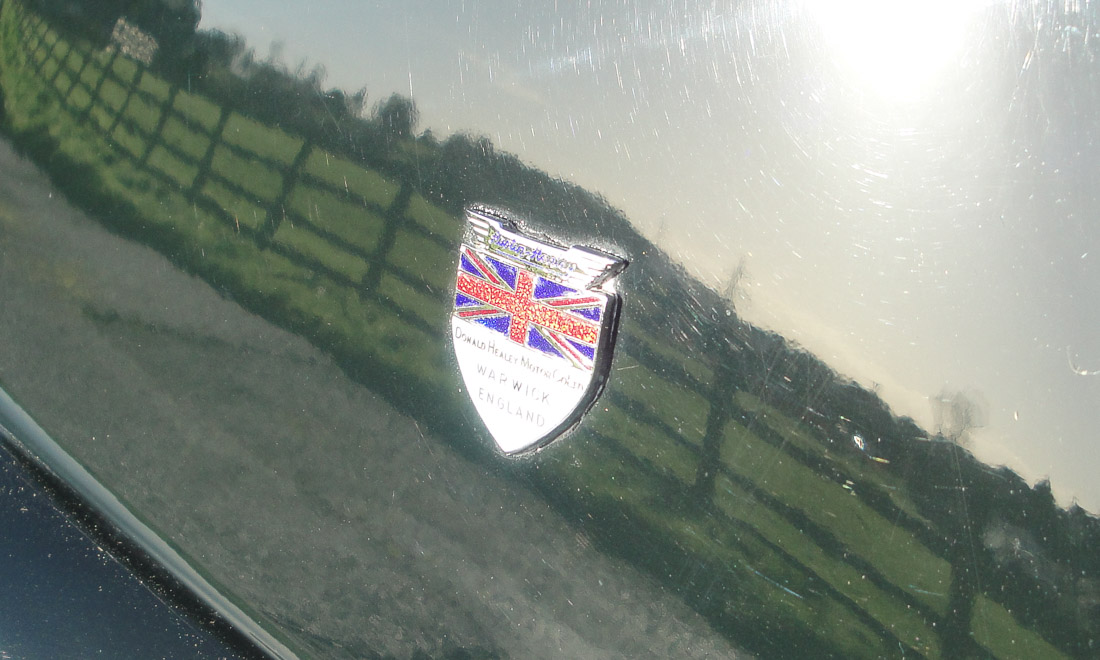
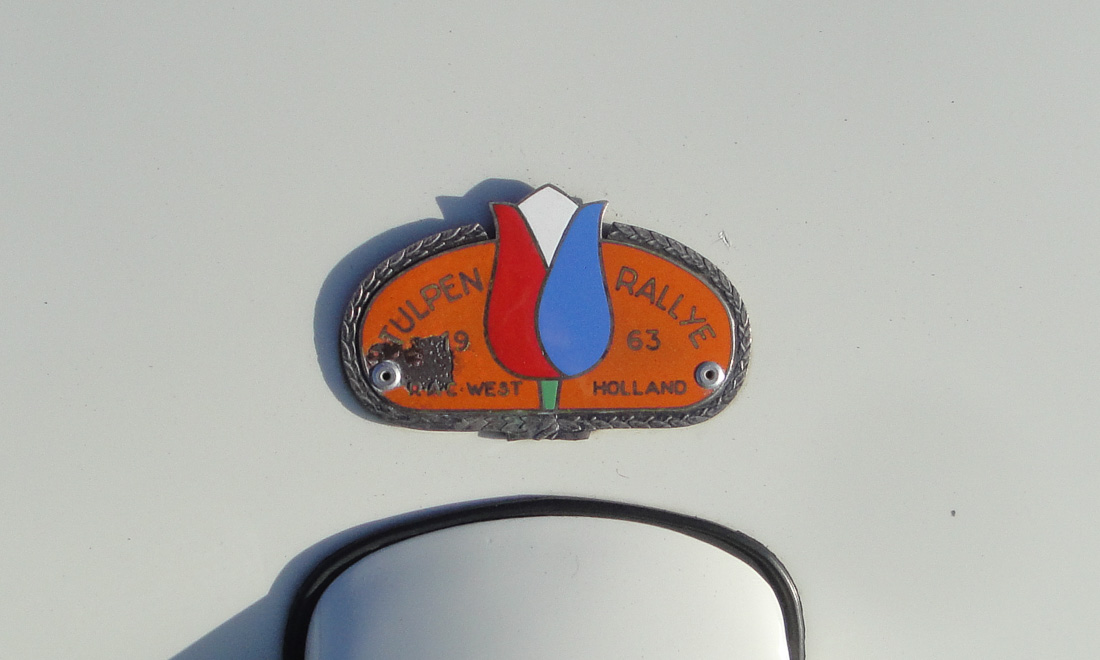
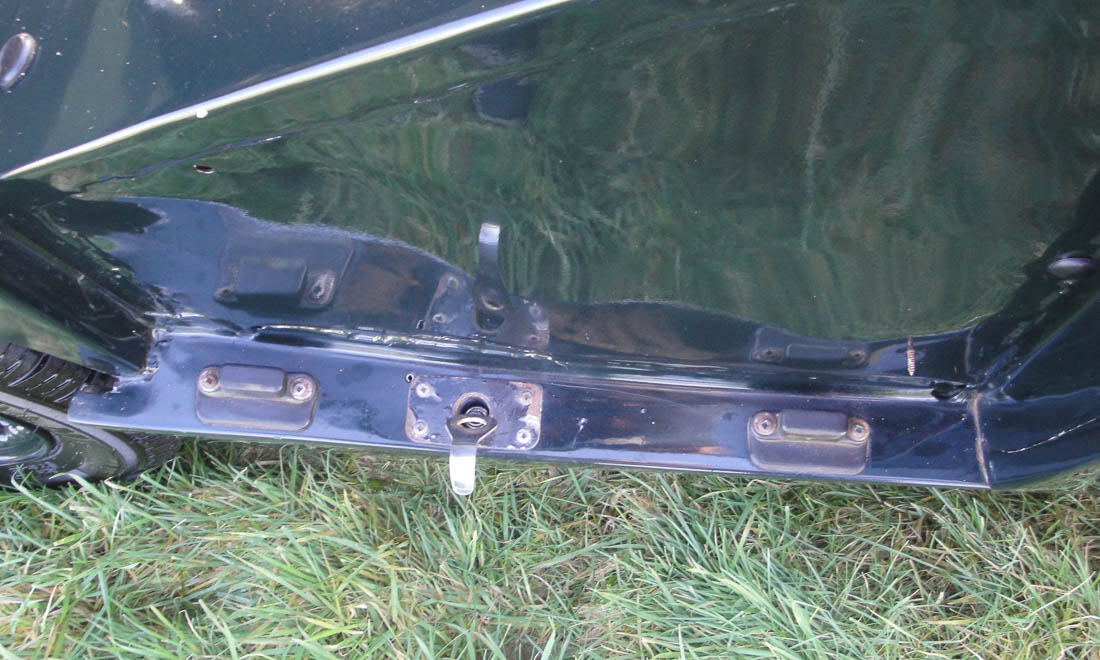
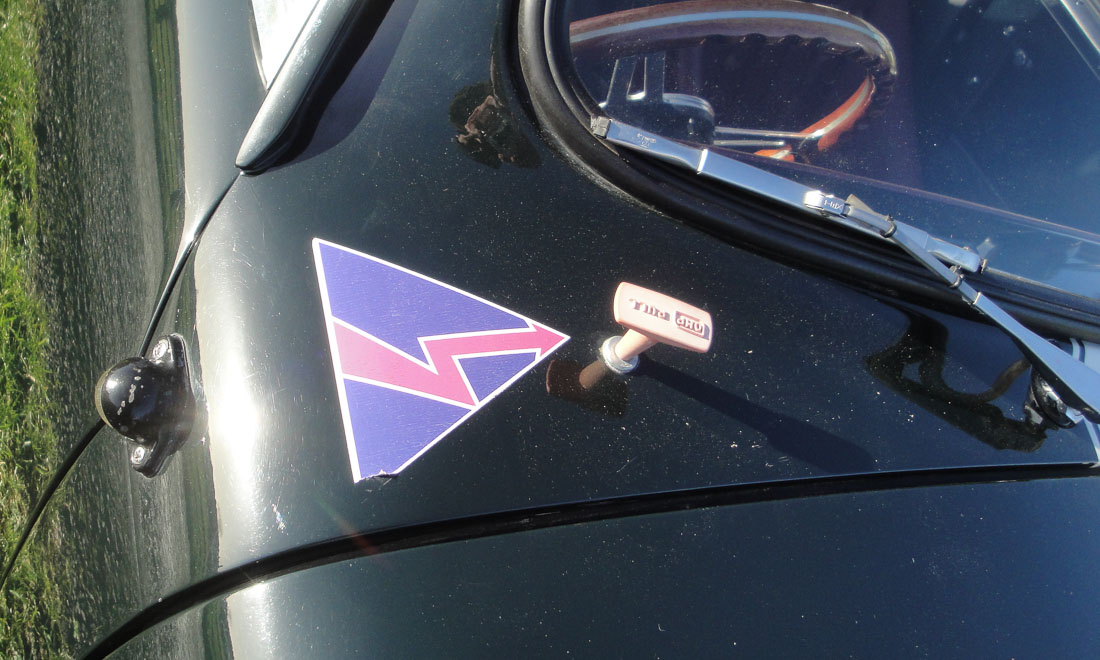
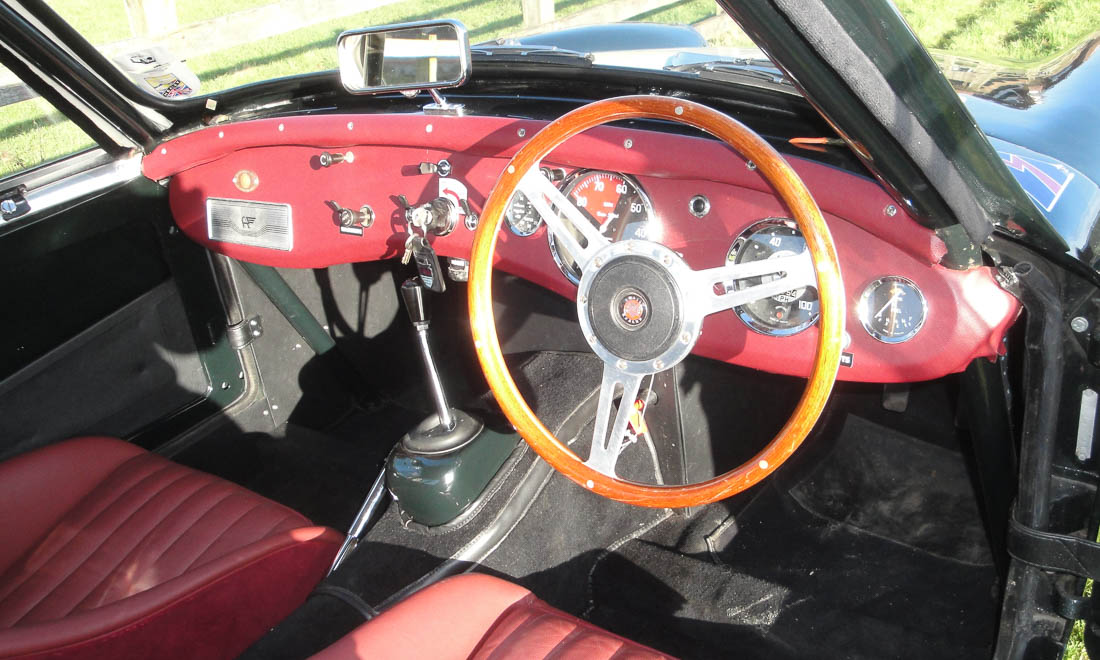
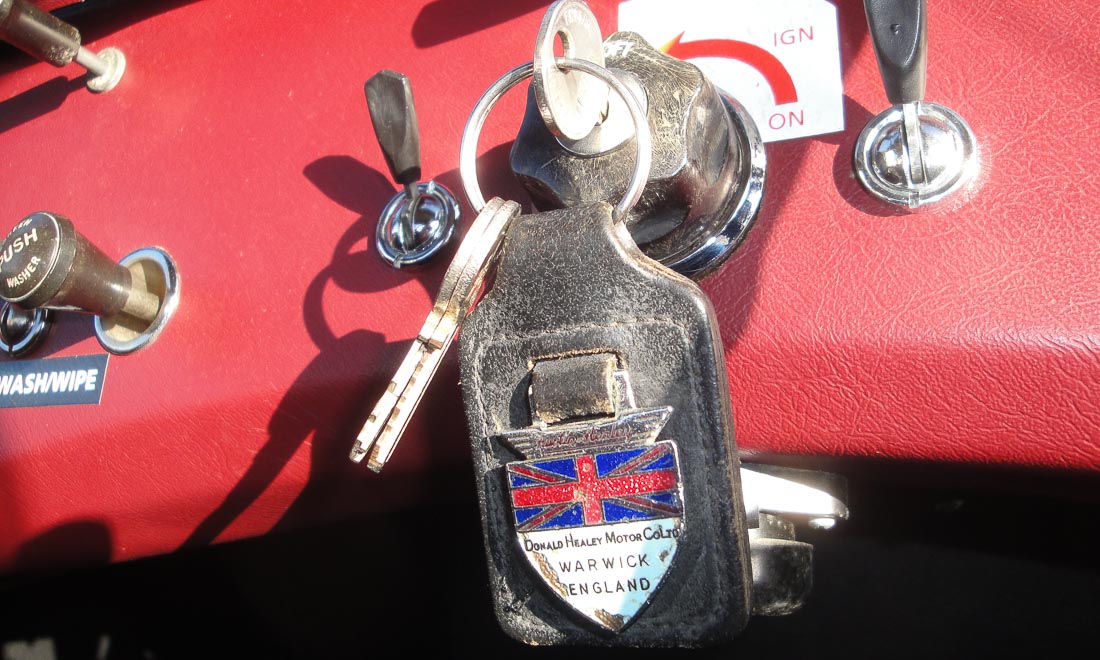
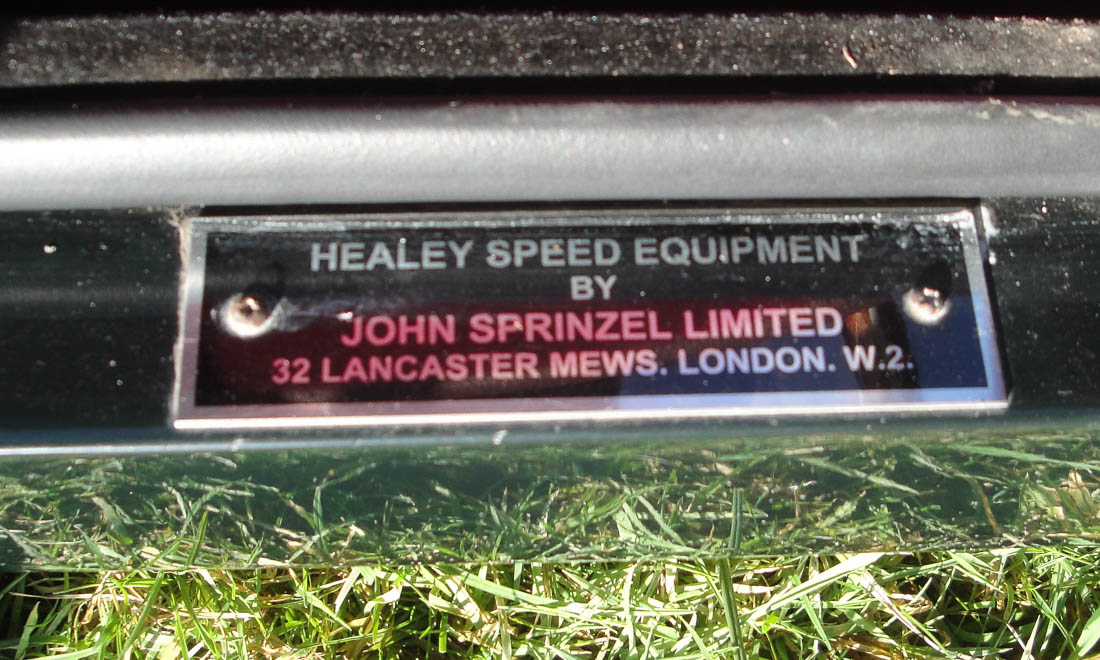
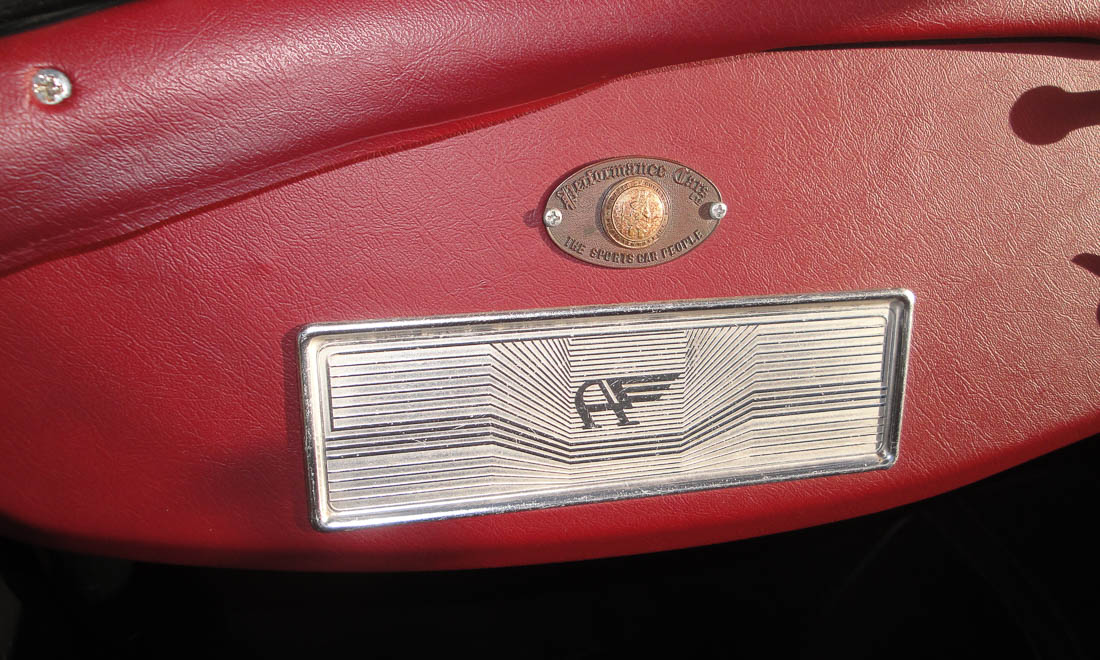
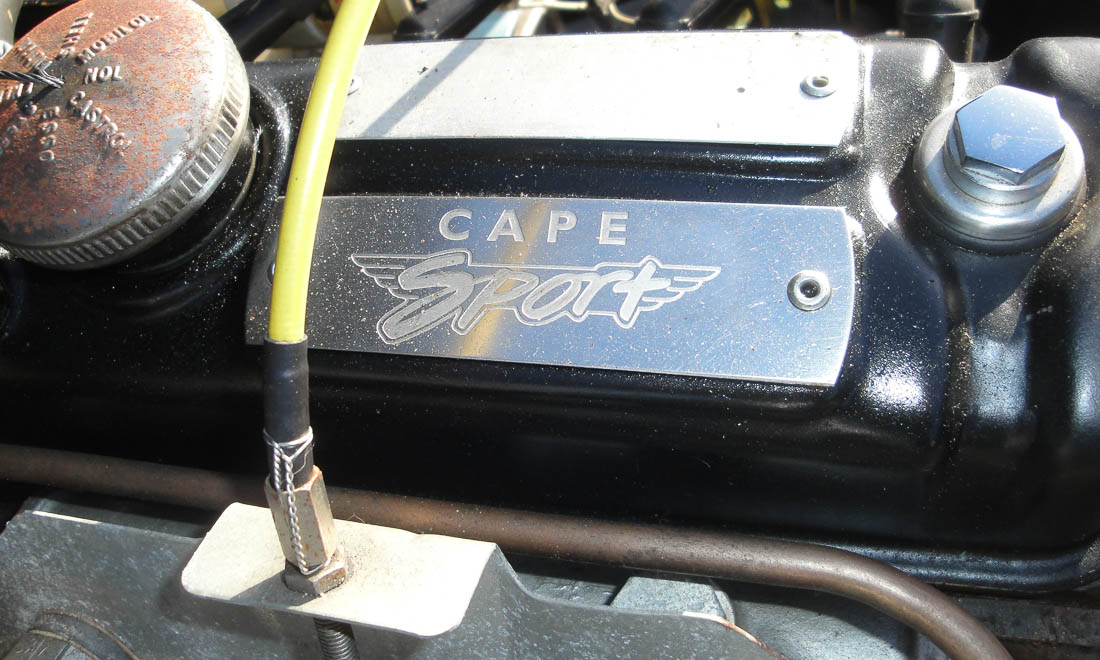
Chromed GB plate, Donald Healey Motor Company badges on the B posts and DHMC key fob, 1963 Tulip Rally boot badge, Sebring bonnet script, Raydot mirror, Lucas fog and spot lamps, Le Mans headlights, competition number light, heated front screen, Sprinzel badge on sill, ‘Austin’ radio blanking plate and Performance Cars of London dealer badge on the dashboard.
Finally completed in 2015, father and son shook the Sebring down with a run to a Sprite and Midget get together. In Holland. Their reward was a decent sized trophy for the ‘Most Desirable Car’ present. A slight but niggly oil leak due to a ‘lucky dip’ (some work, some don’t) quality rear seal was the only issue of note.
Unfortunately, in late 2015 the need for a new kitchen and everyday car resulted in the Sprite being sold via Lotus and sports/competition car specialist Paul Matty after not much more than 1,000 miles had been covered. It was purchased by Mr Simon Durling, based a conrod’s throw from the top of Shelsley Walsh. An experienced hillclimber and historic racer of note with multiple wins and podiums under his belt, notably in Formula Juniors and Sports Cars, it is fair to say he is fastidious when it comes to his motor cars. With that pesky oil leak still lurking, he had the engine stripped and rebuilt by Peter May at MCR Engine at a cost of £2,601 while Andrew Tart of ATME finessed the Sprite’s steering, pedal positions, braking and suspension set up for a further cost of £1,428.
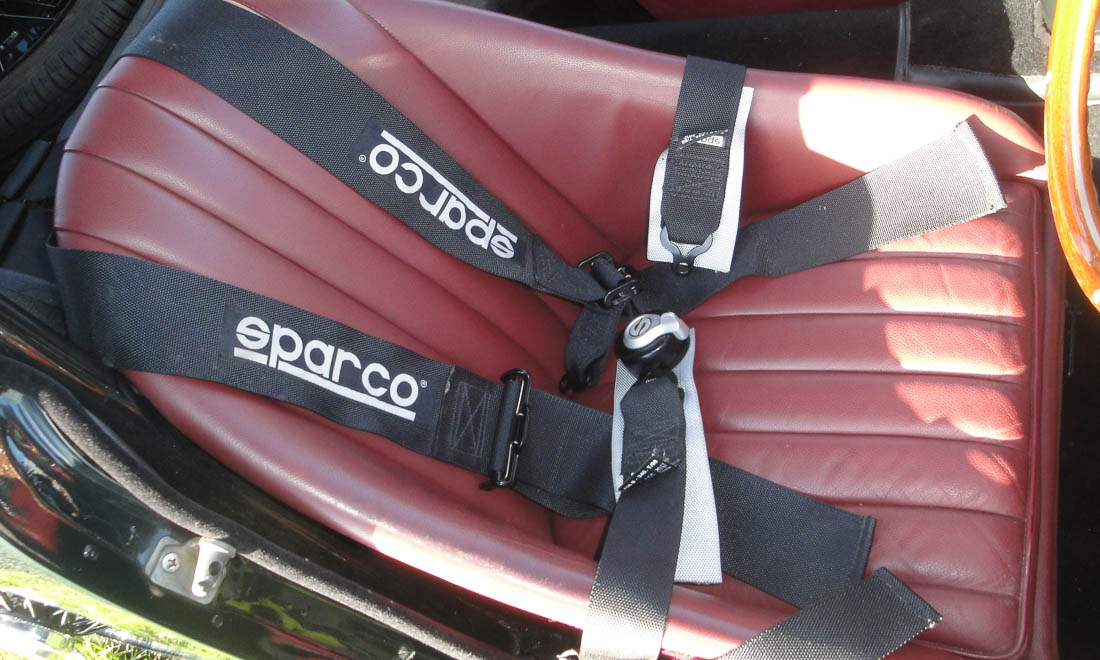
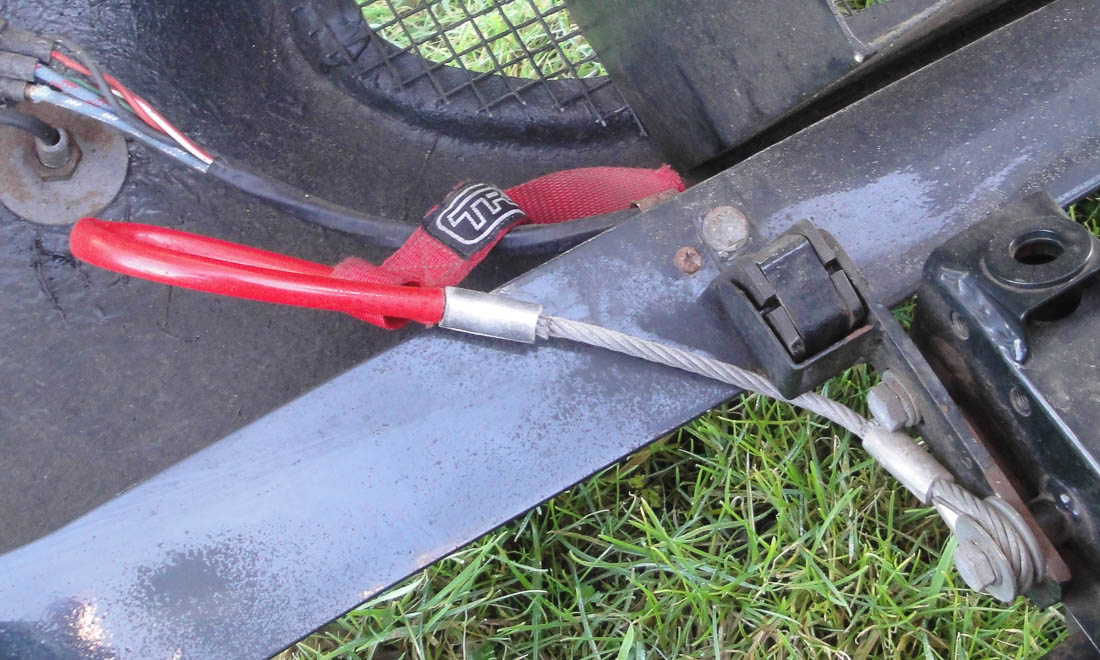
In 2018 Paul Matty again brokered the sale of 603 MUY, this time to a Mr Neil Macphail of Ullapool. Before leaving his workshops, Paul added a few competition items such as a timing strut, harness and tow strap (at a cost of £1,240), possibly in preparation for some light hill-climbing. It is worth noting that the asking price at the time was £28,500…
After apparently some seven years in Scotland, the Sebring passed on to its most recent private owner, Mr Mark Witcombe of Cullompton, Devon.
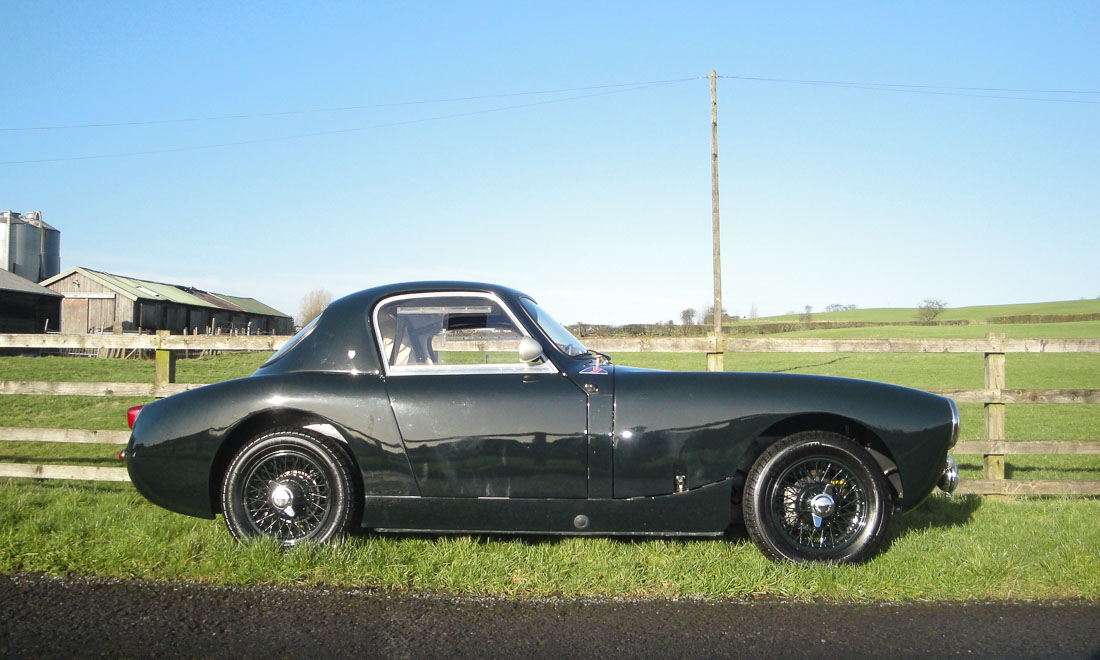
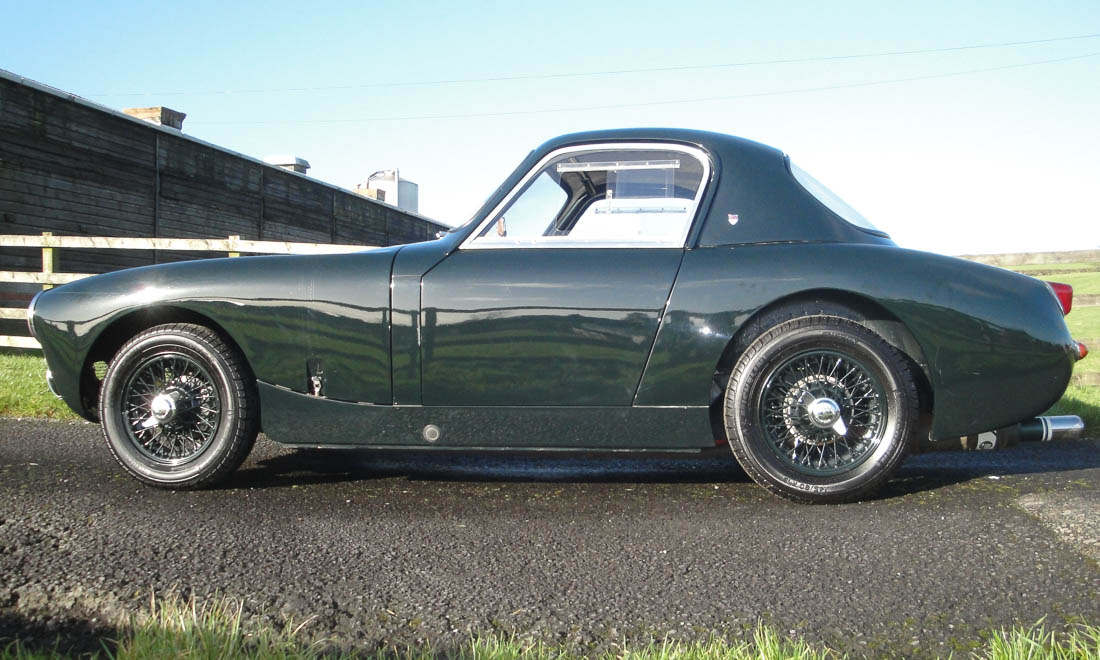
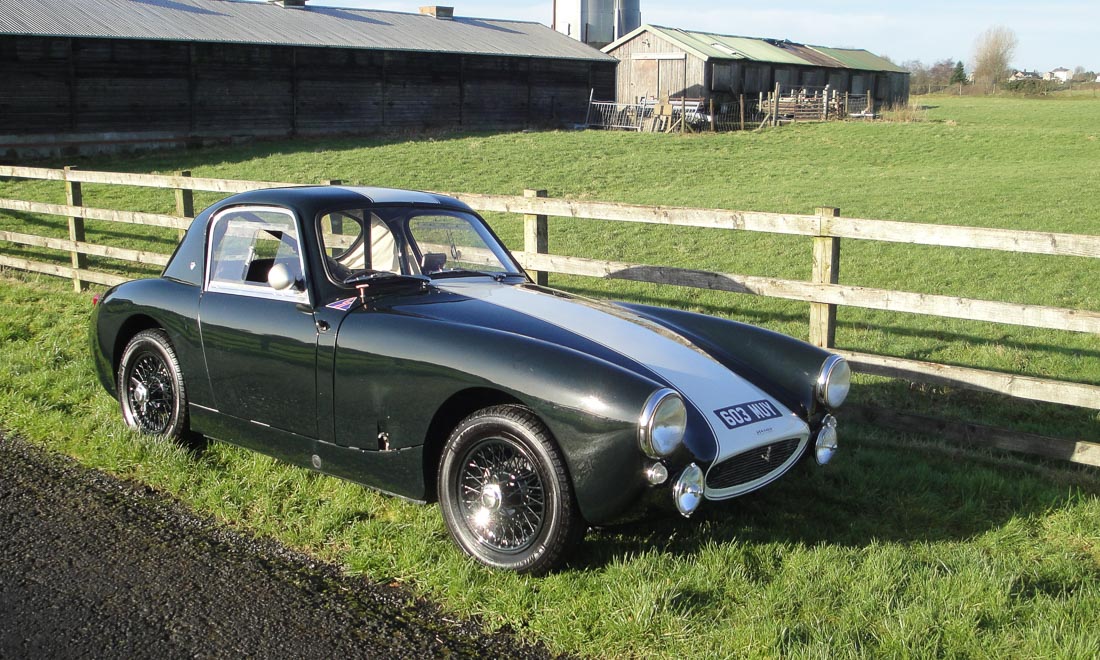
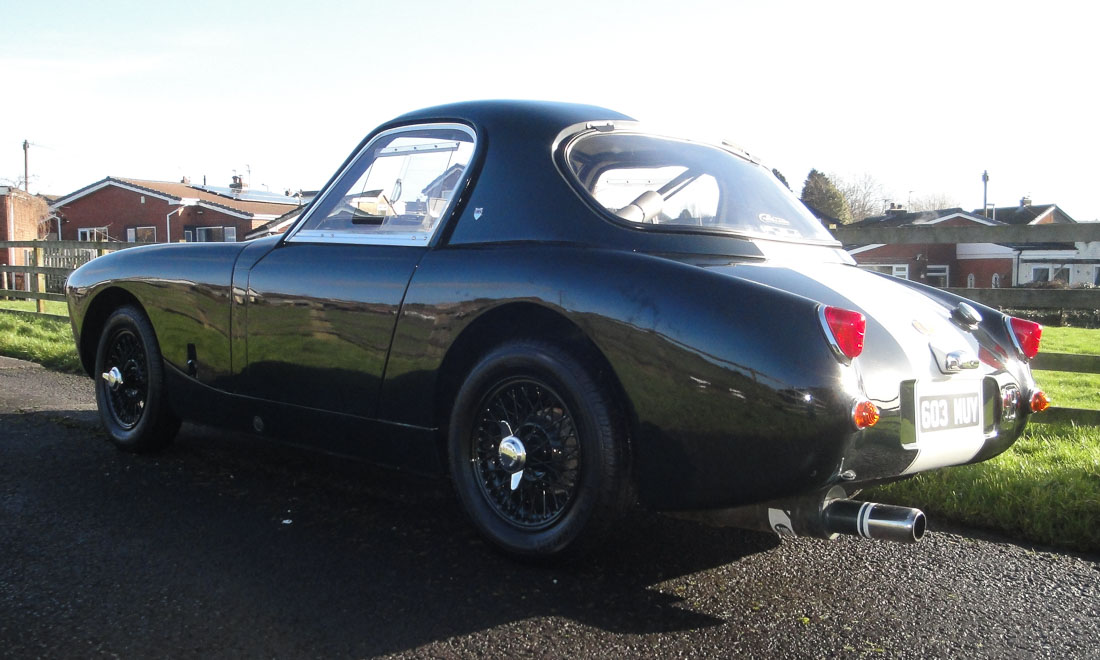
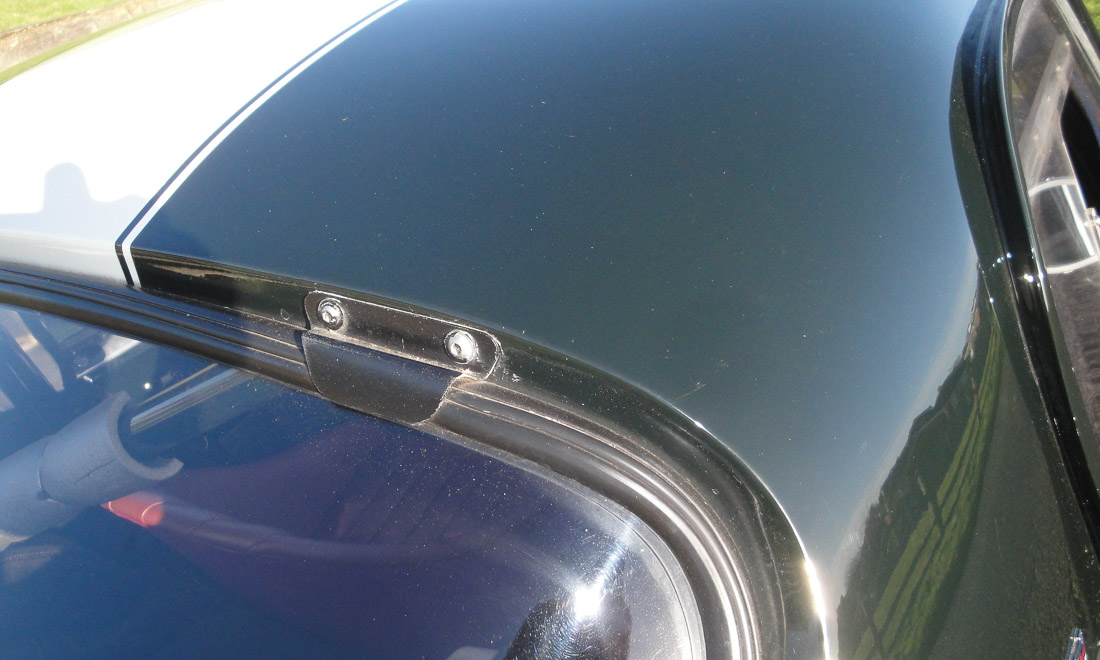
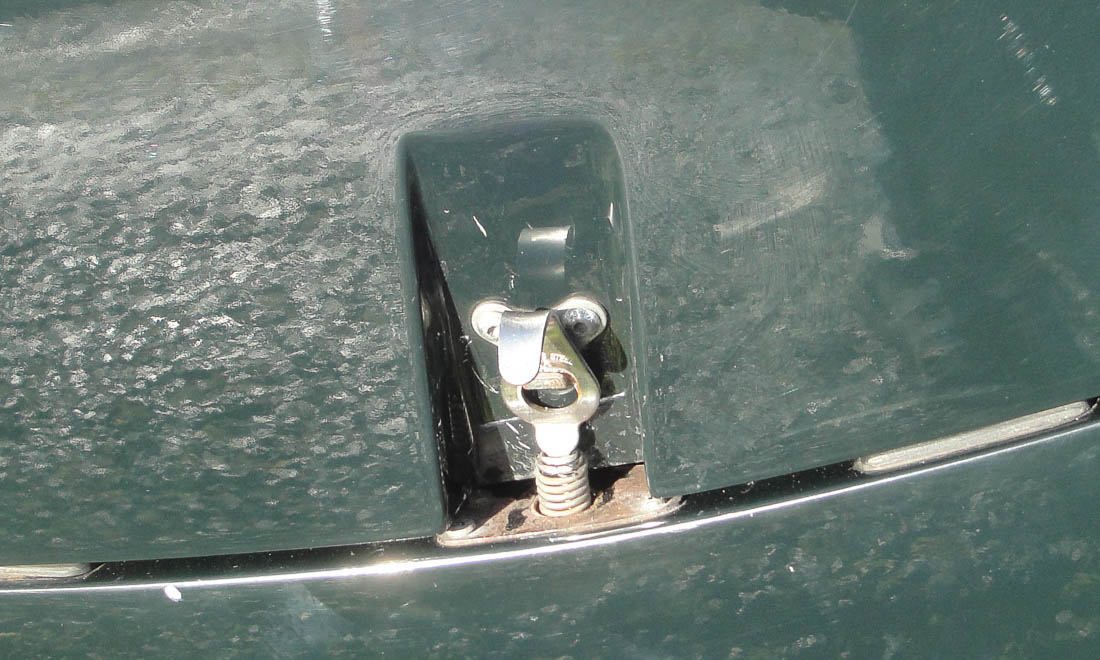
Archers bodies are noted for their quality and this is supported by the Sprite’s excellent condition, over ten years since its conversion. We could only find one small star crack on the bonnet which looks as though it might have been caused by it being shut on something left on top of the engine - please see the photo gallery. Other than that, we could see no evidence of cracks or crazing, normally the bane of fiberglass panels. This quality is complimented by nice details such as the frenched in bonnet locking springs while the pretty built-in hardtop and long, low line front wings have more than a little Lotus Elite (Type 14 not 75) about them. While the rear section is pure Frogeye in shape, the deletion of that car’s external seams gives the Sebring a smoother, more integrated look.
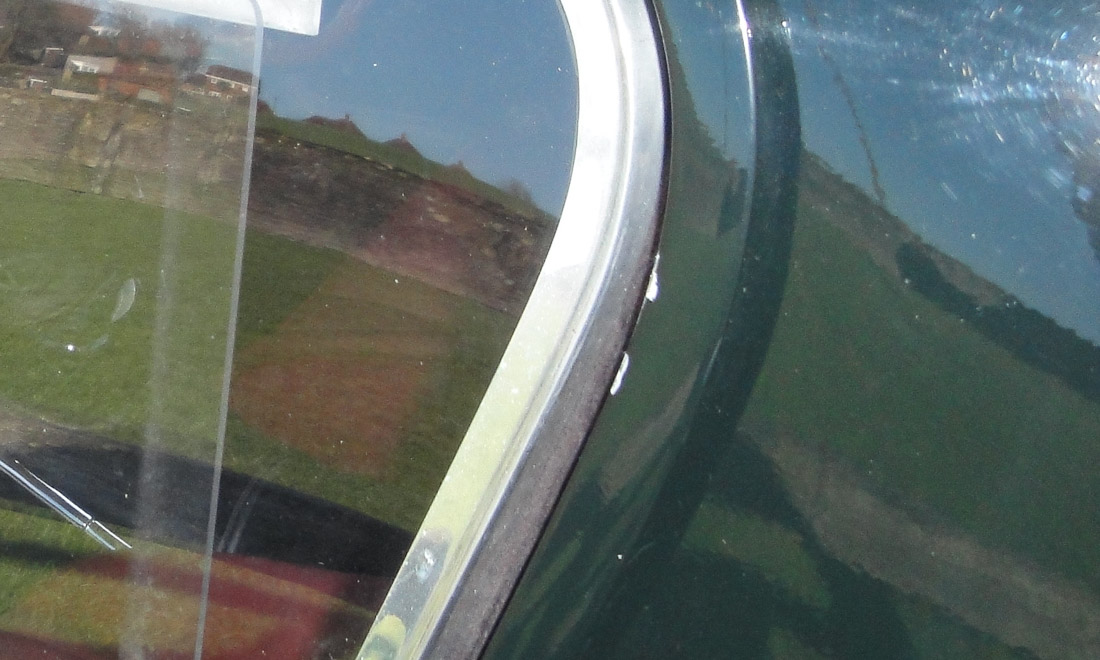
The paintwork is excellent, being well applied with no runs or ‘orange peel’. It has a very good depth and shine though with use, it has picked up a couple of chips and scrapes, especially around the door apertures (likely due to loose side screens) as shown in the photo gallery. The Dark British Racing Green certainly lives up to its name and in bright sunlight looks almost black. The Old English White stripes are painted on rather than vinyl applications and their ‘two narrow, one broad’ style is perhaps a nod to the Sebring’s US connection.
Restricted to a few items such as the GB letters, wheel spinners, fuel filler cap and aluminium side screen frames, the brightwork is all in nice condition, though an hour with some metal polish could be rewarding.
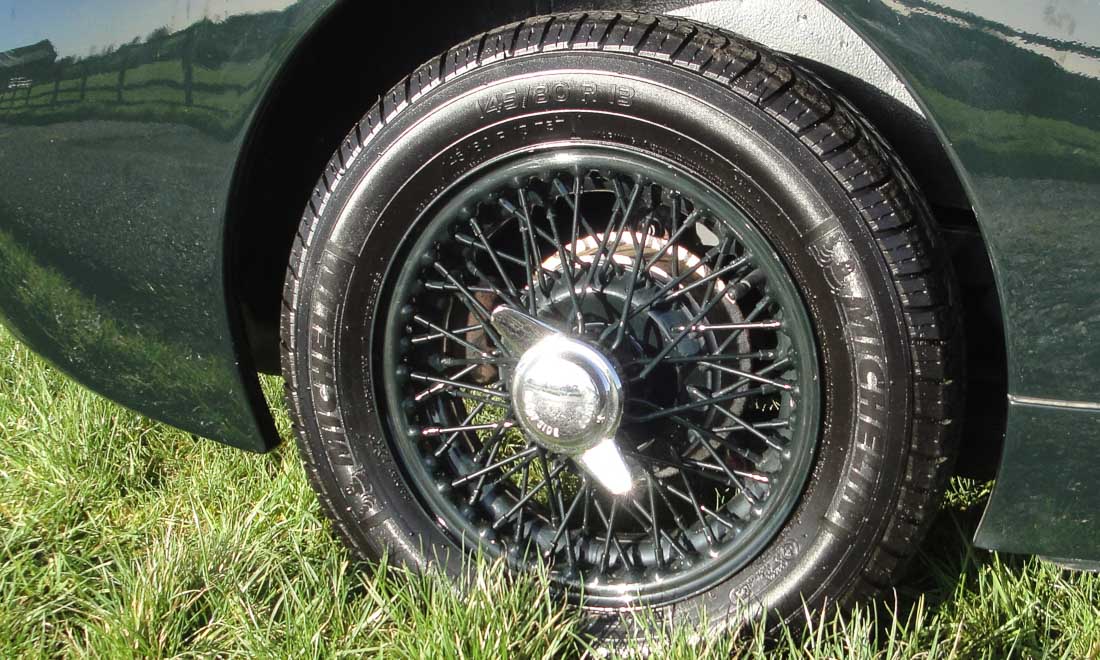
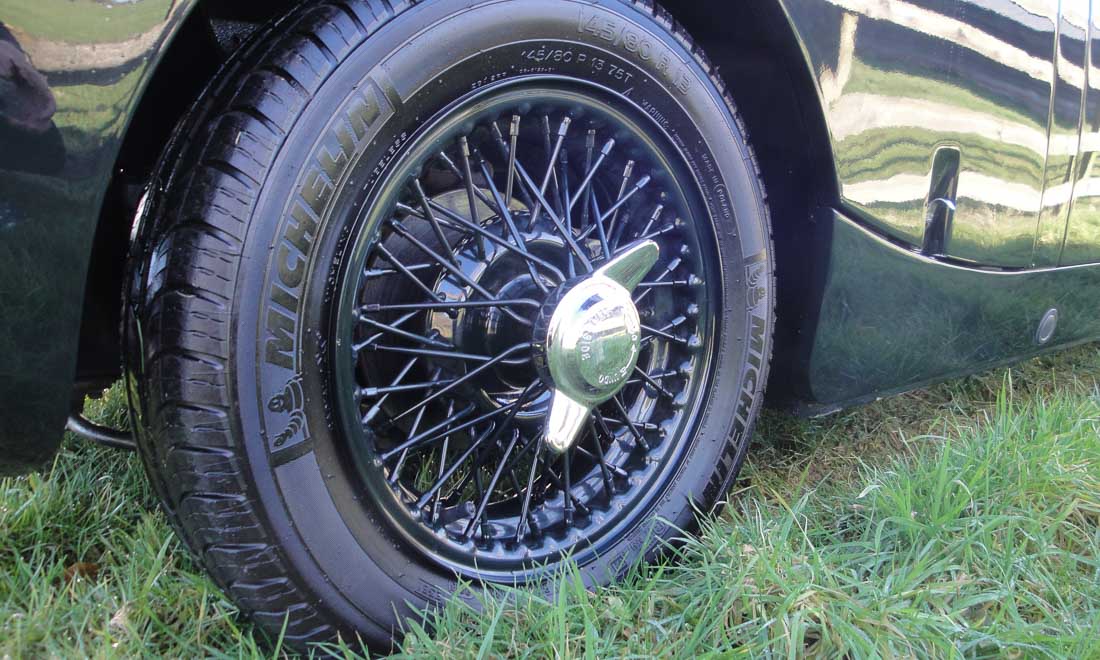
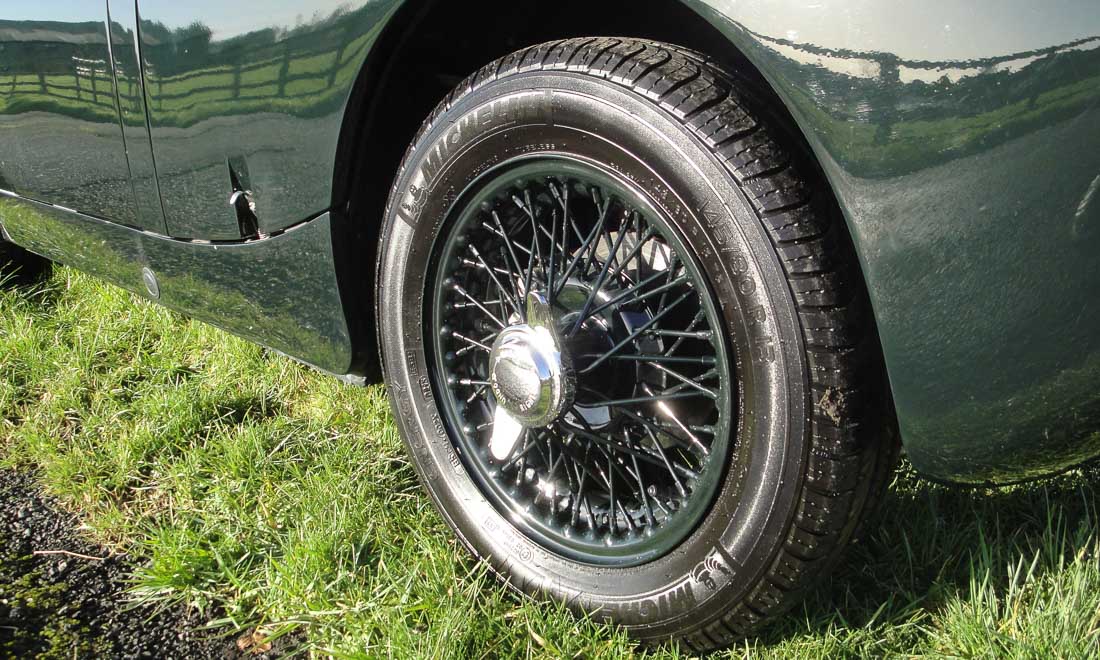
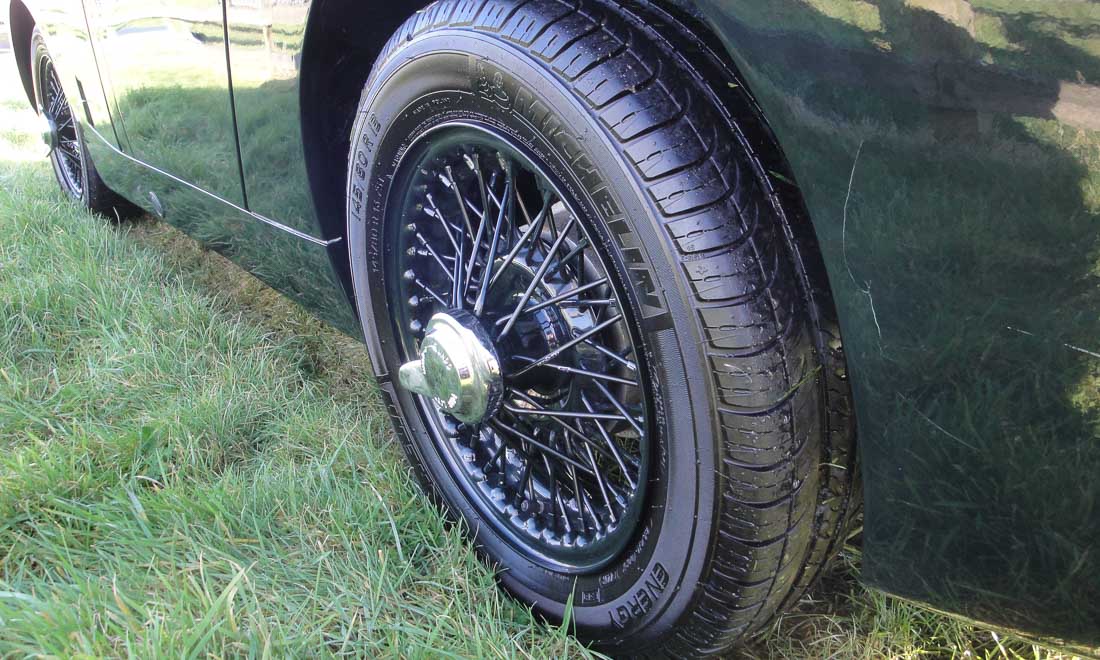
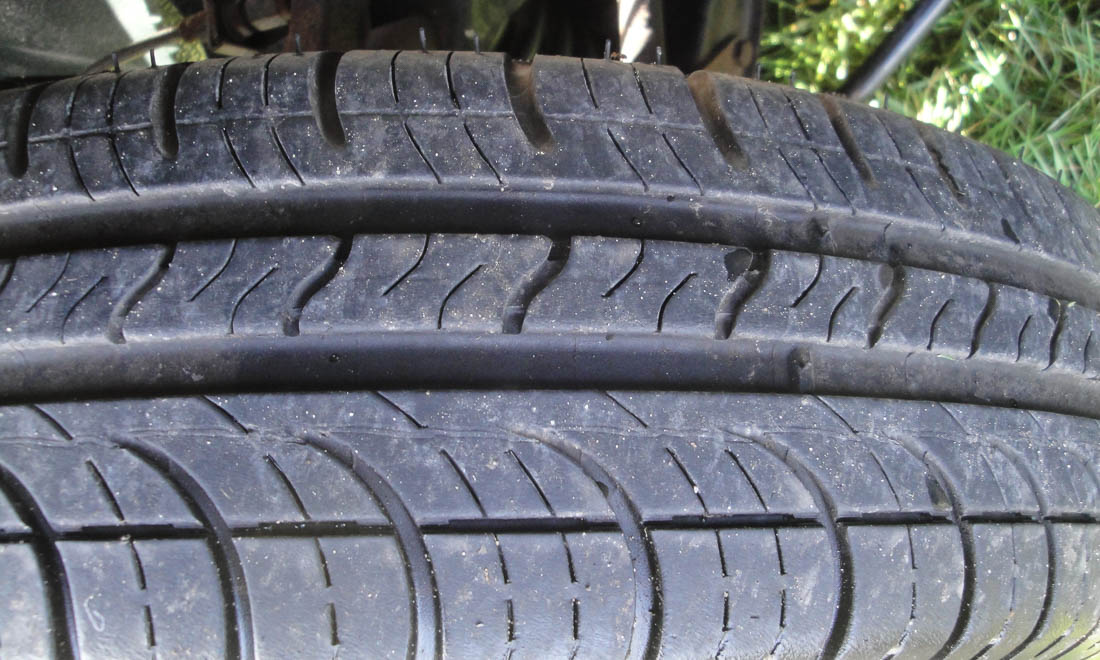
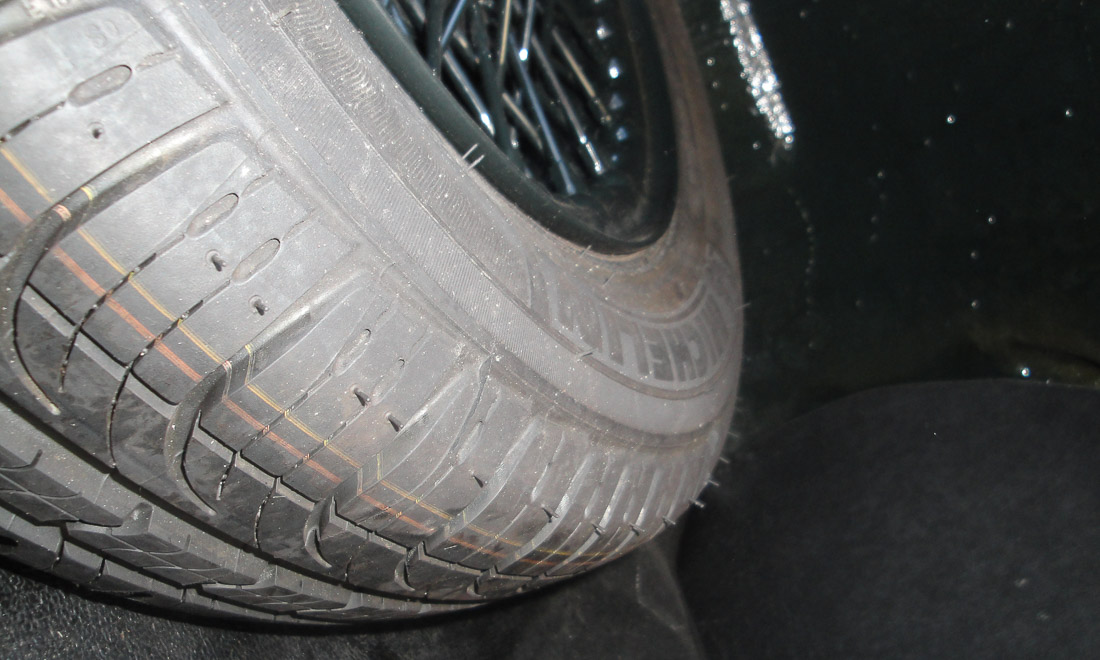
The body-coloured wire wheels are all in excellent shape with virtually unused 145/80 R13 Michelin Tyres fitted all round.
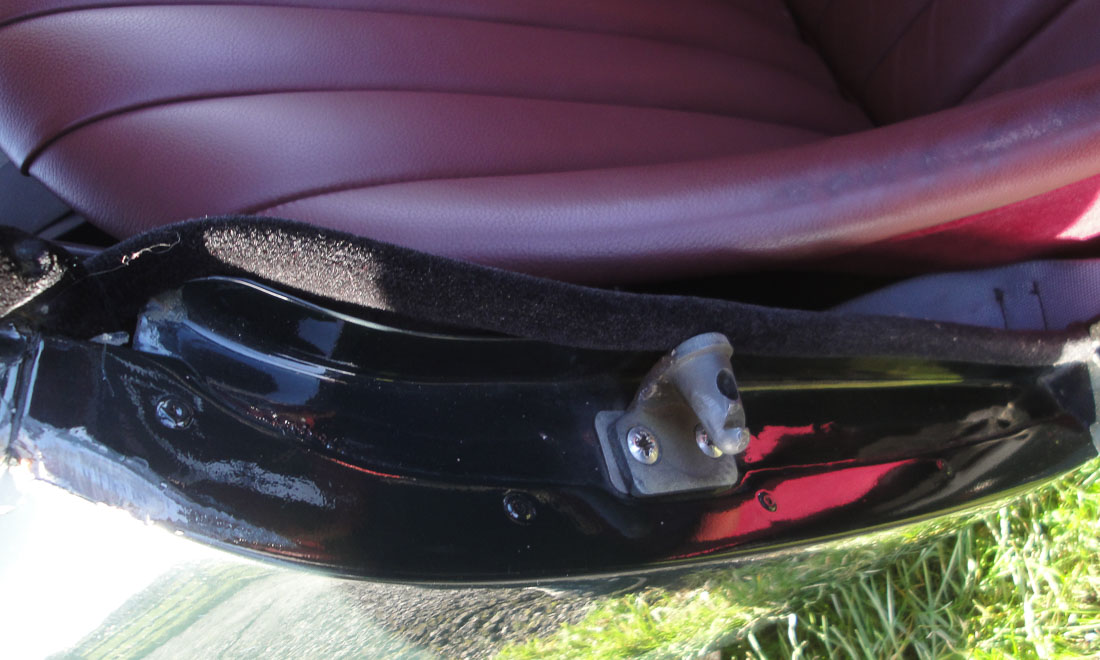
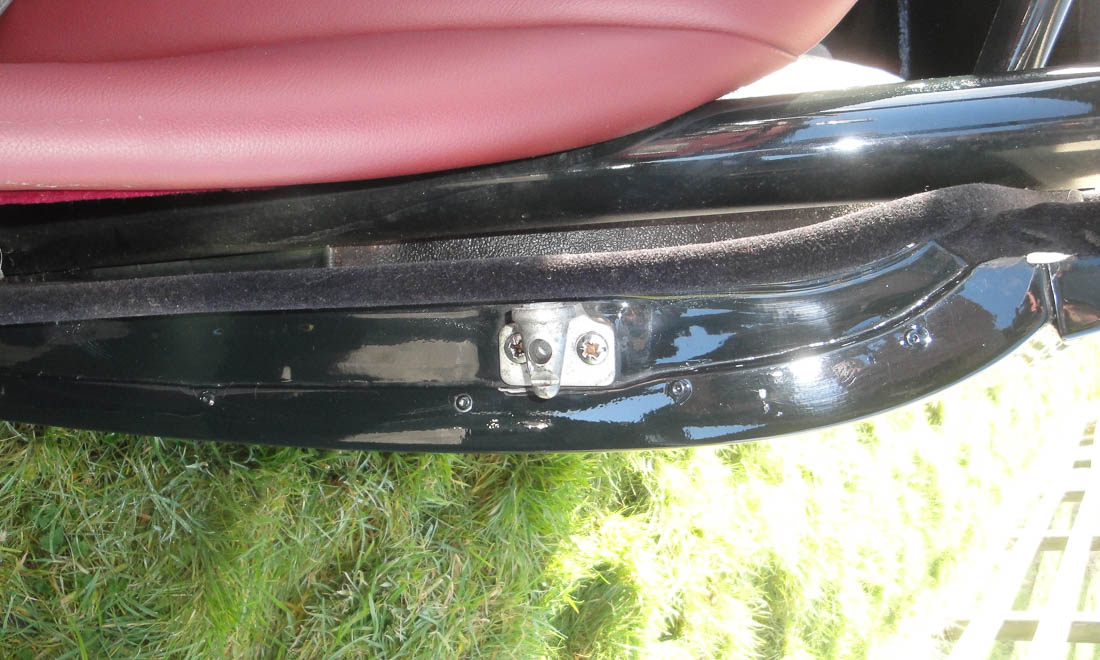
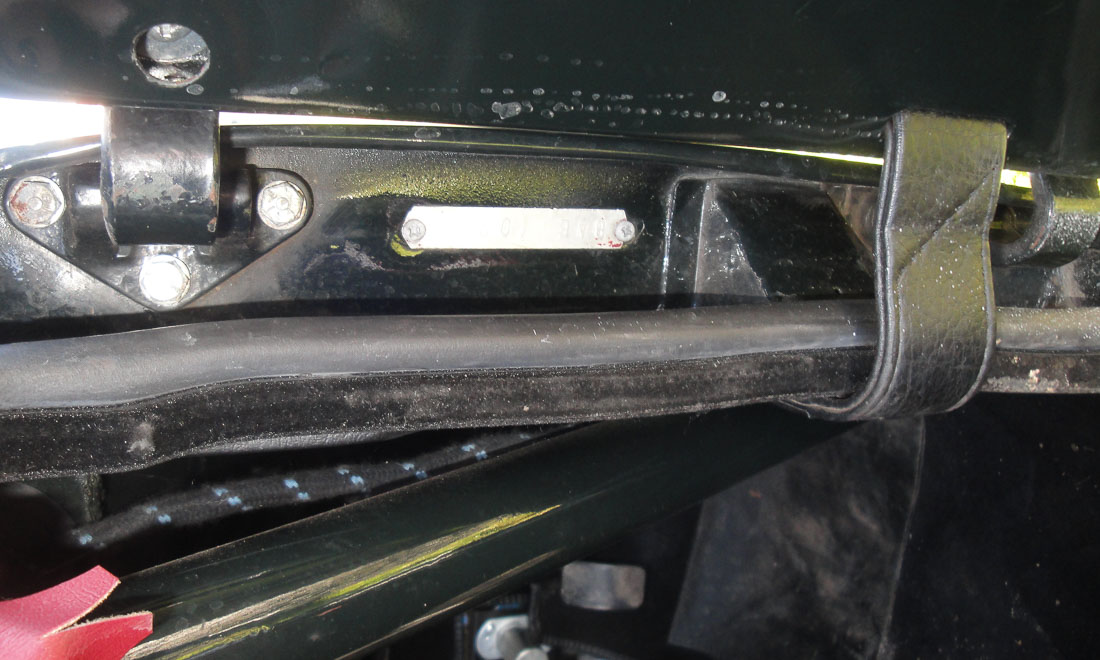
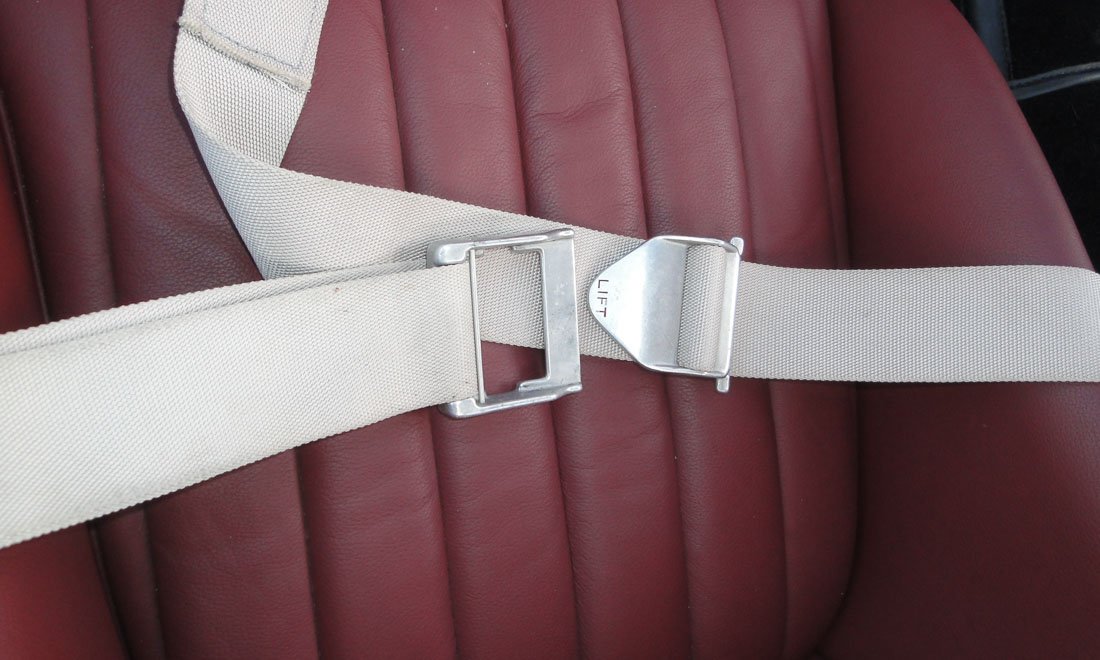
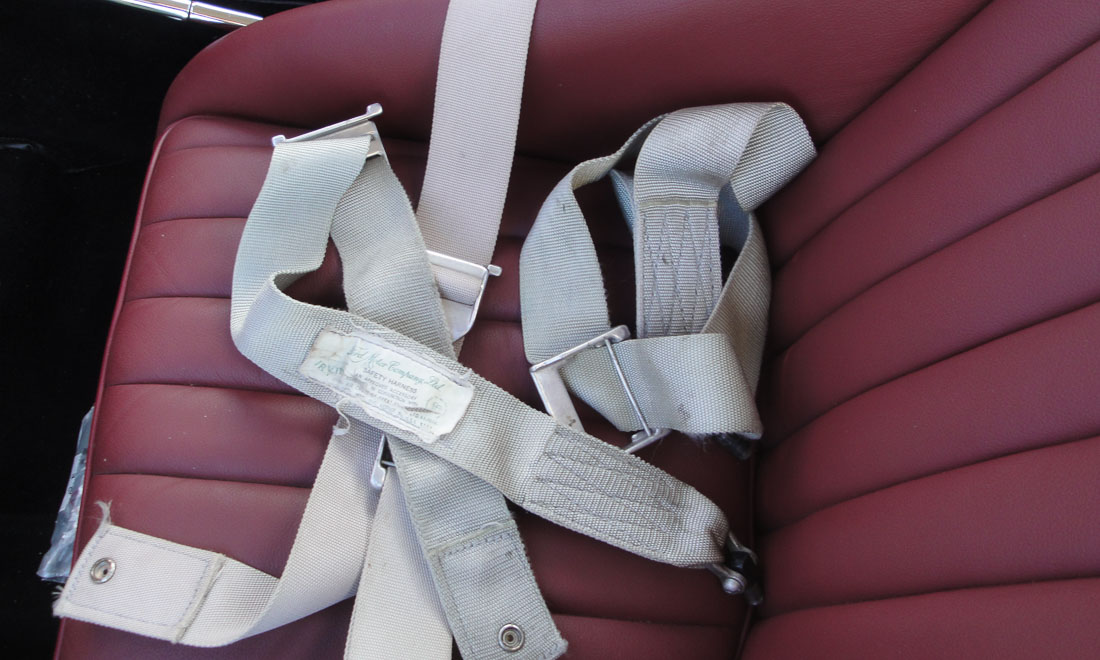
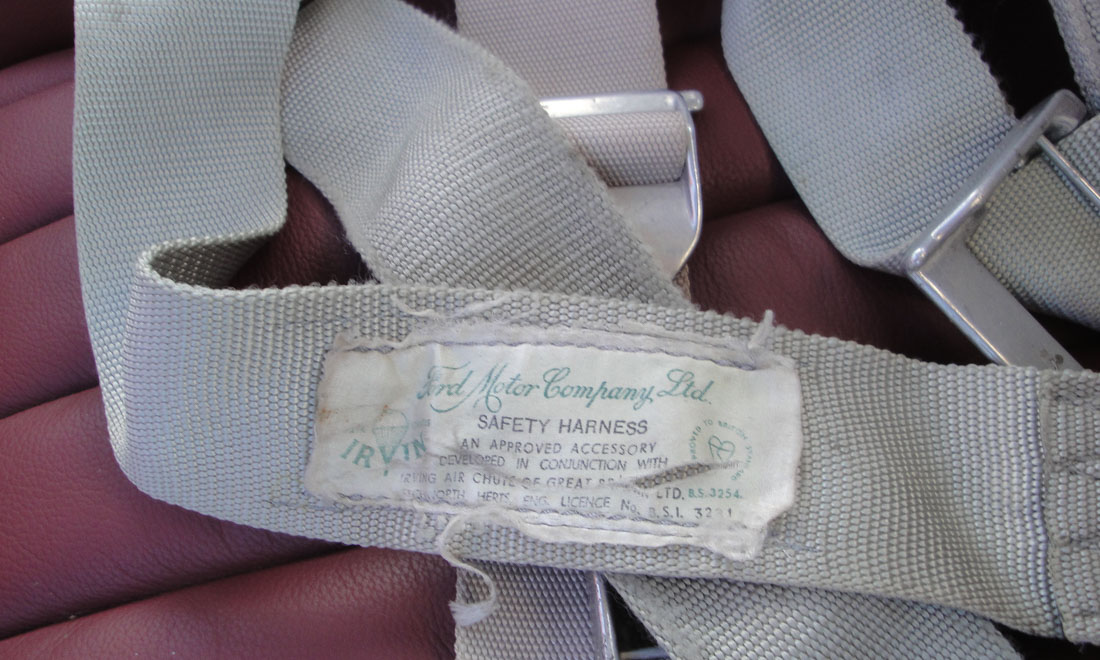
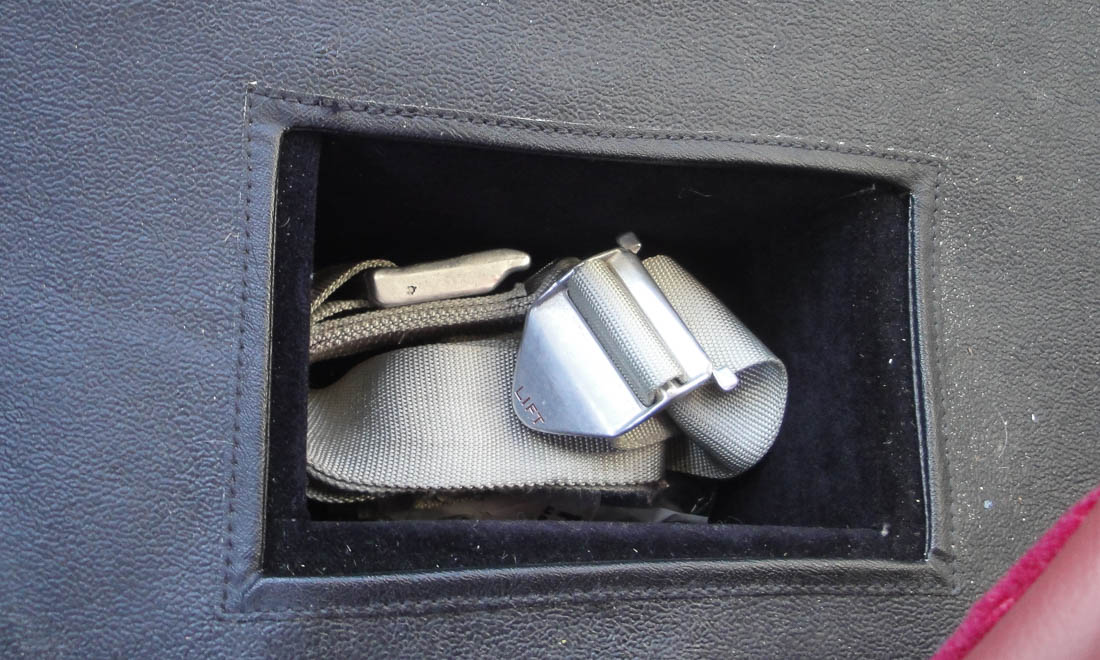
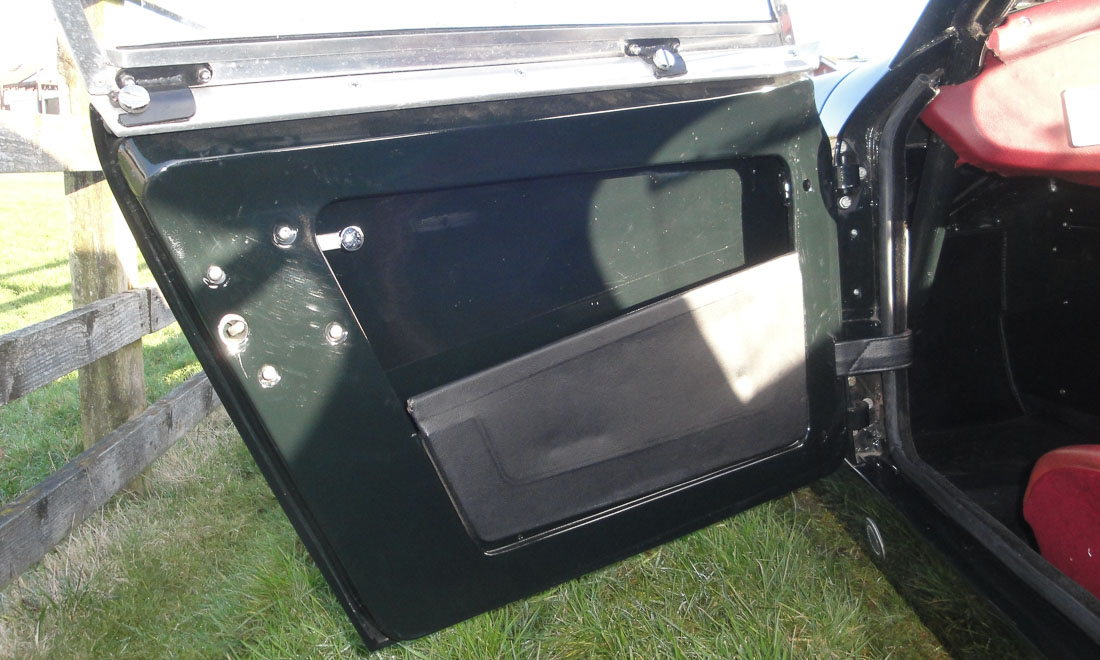
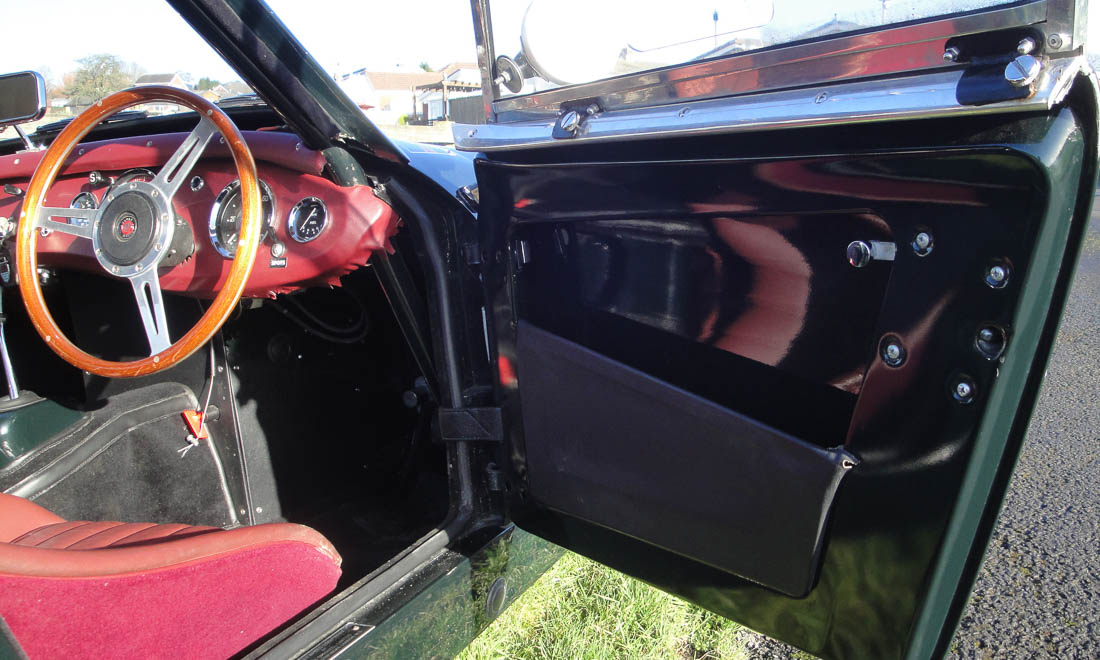
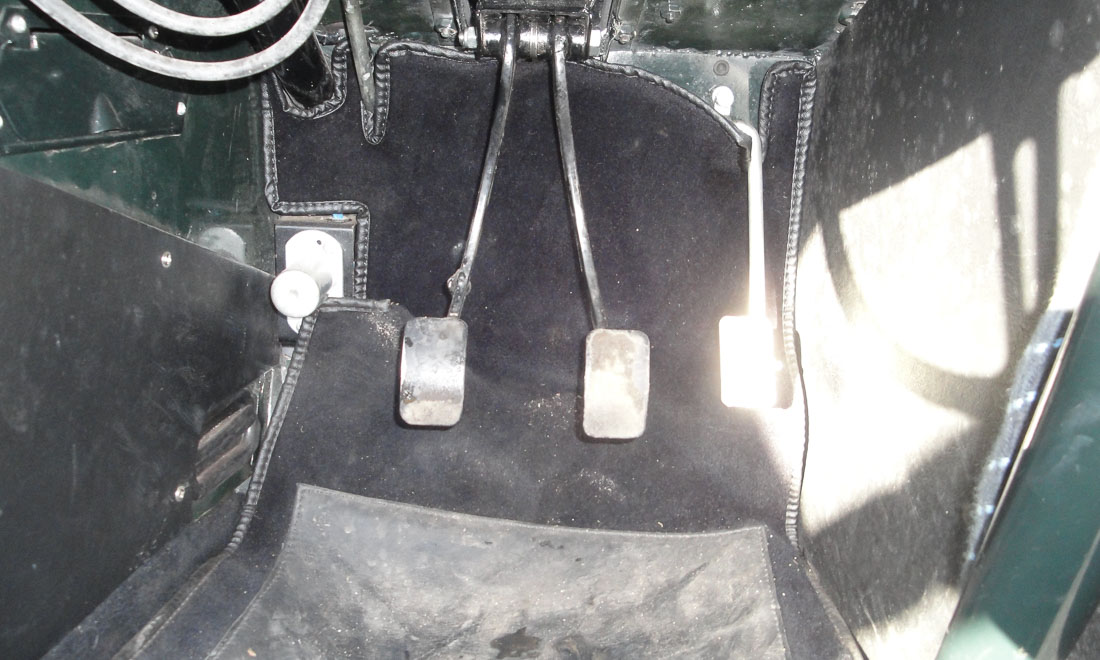
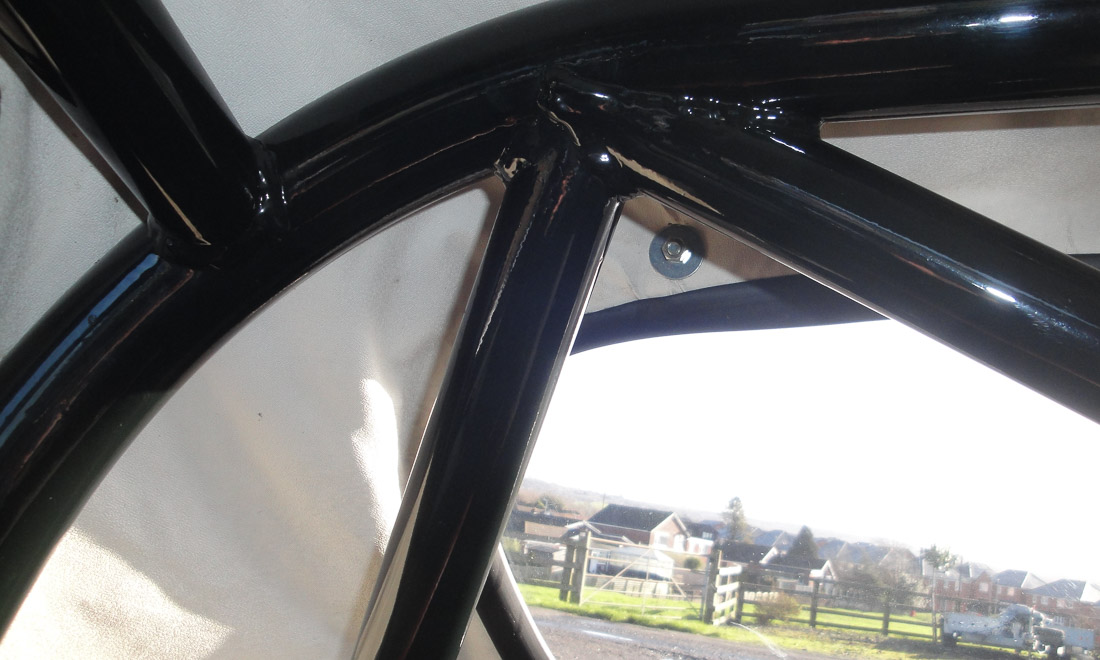
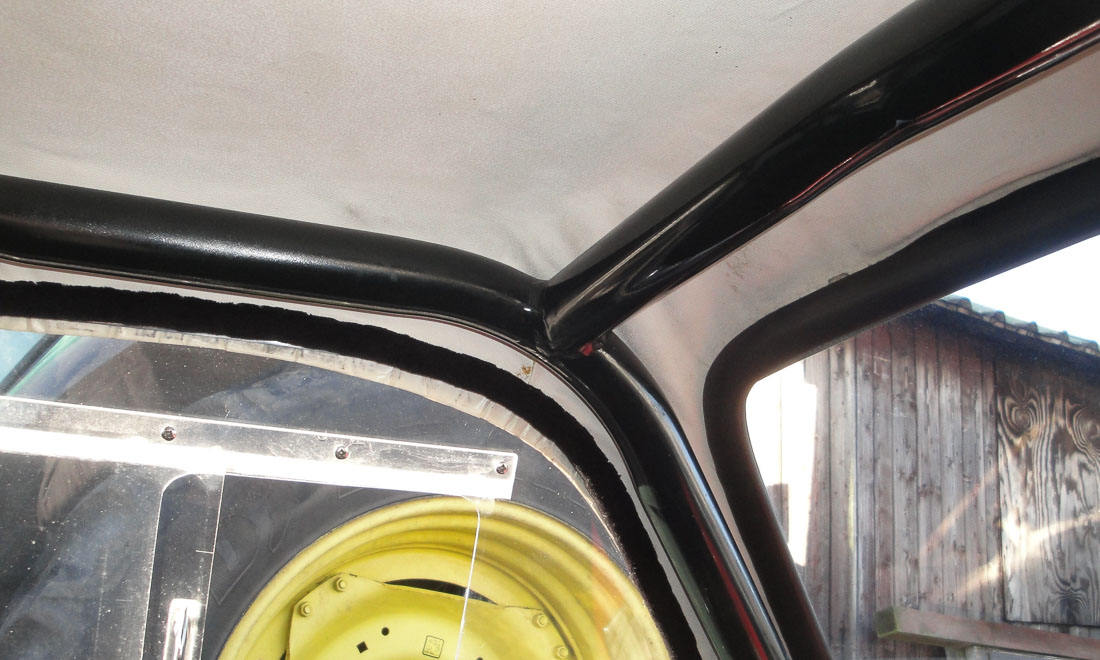
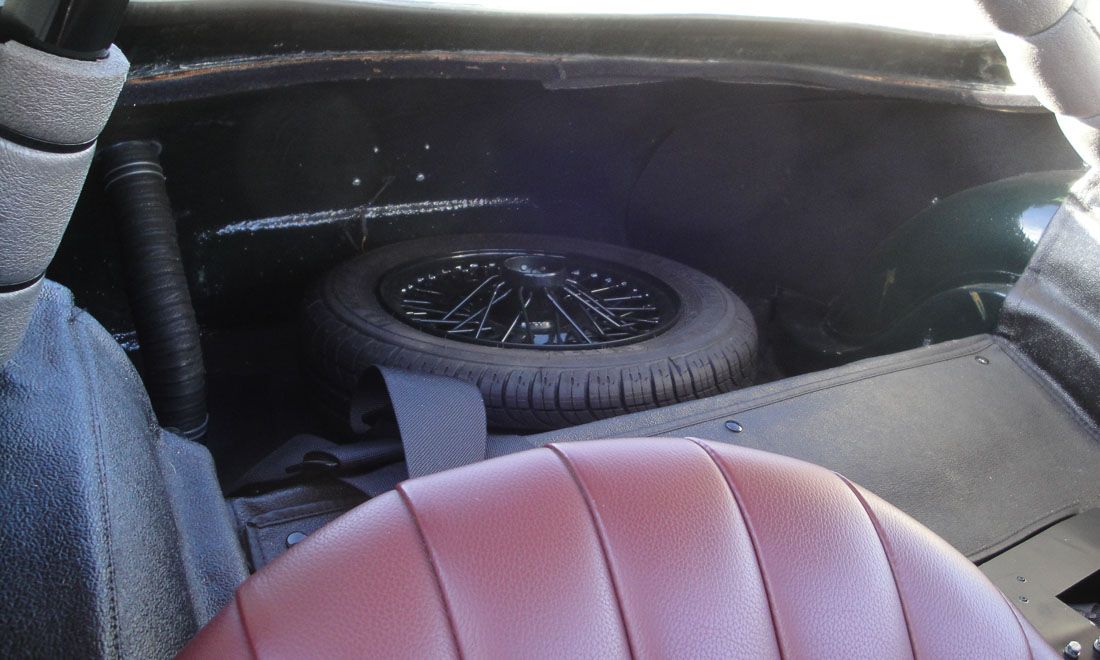
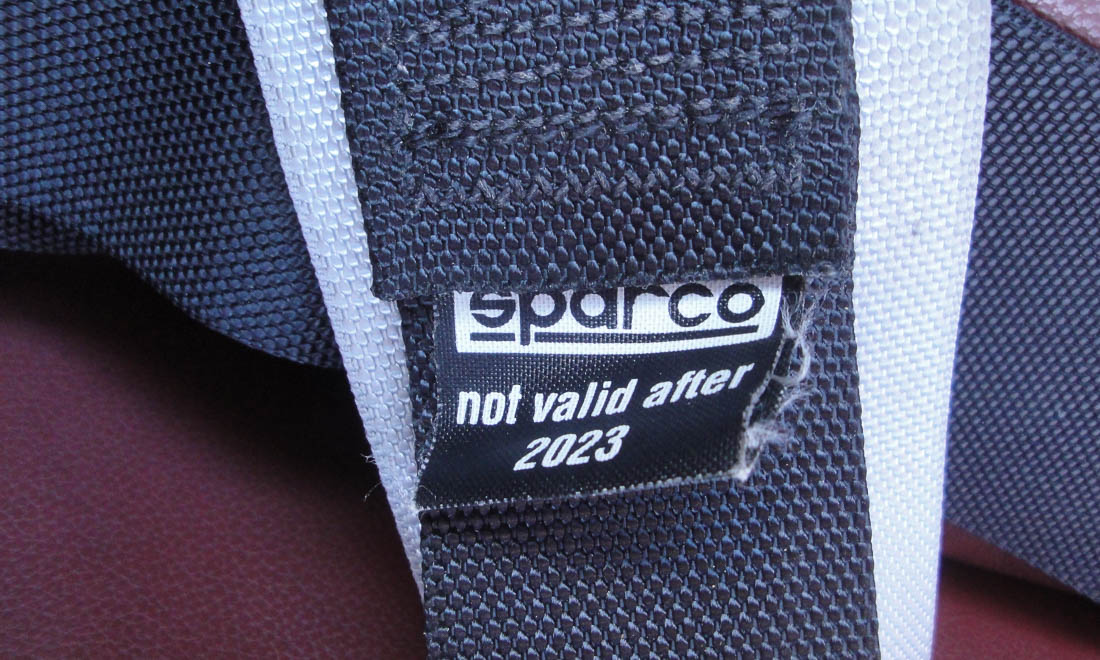
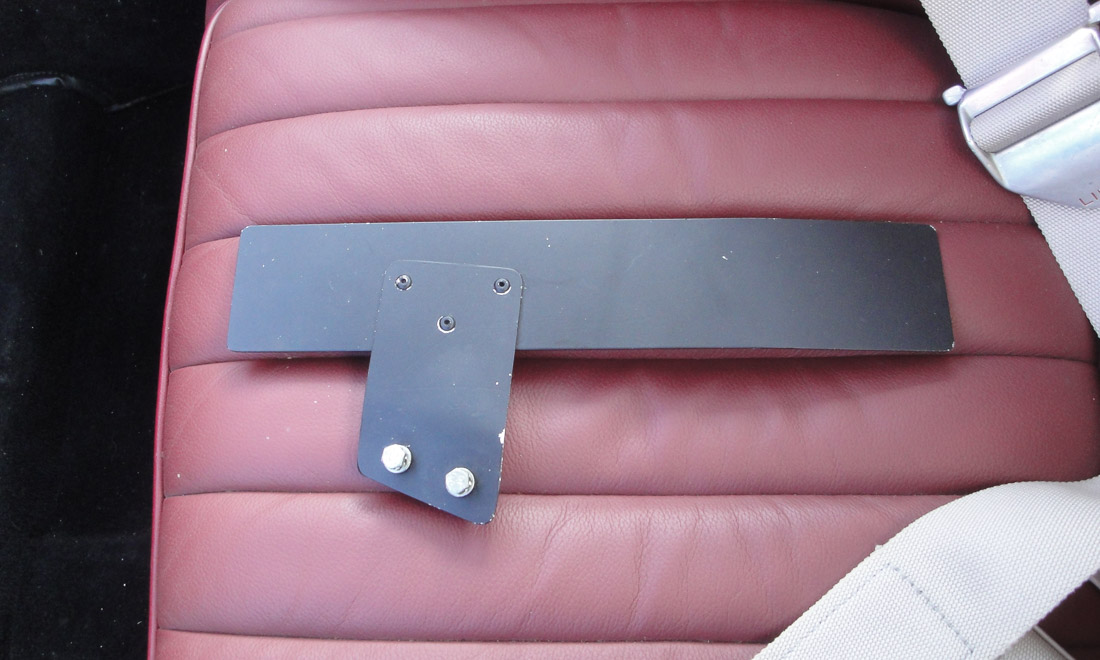
The snug cockpit is more GT than stripped out racer with a full set of carpets and trim panels (courtesy of AH Spares) and even a proper headlining. The aforementioned Sparco driver’s harness is dated to 2023 though there may be a Covid related extension available for this. This is complimented by lovely period “Irvine” belts which seem to have been procured from a Ford! There is a substantial body coloured full roll cage which has been nicely made and fitted. Aesthetically more pleasing, the lovely ‘thirds’ wood-rim steering wheel is the correct pattern for a Sebring Sprite and the removable timing strut sits in a neat little ‘cubby’ behind the passenger seat.
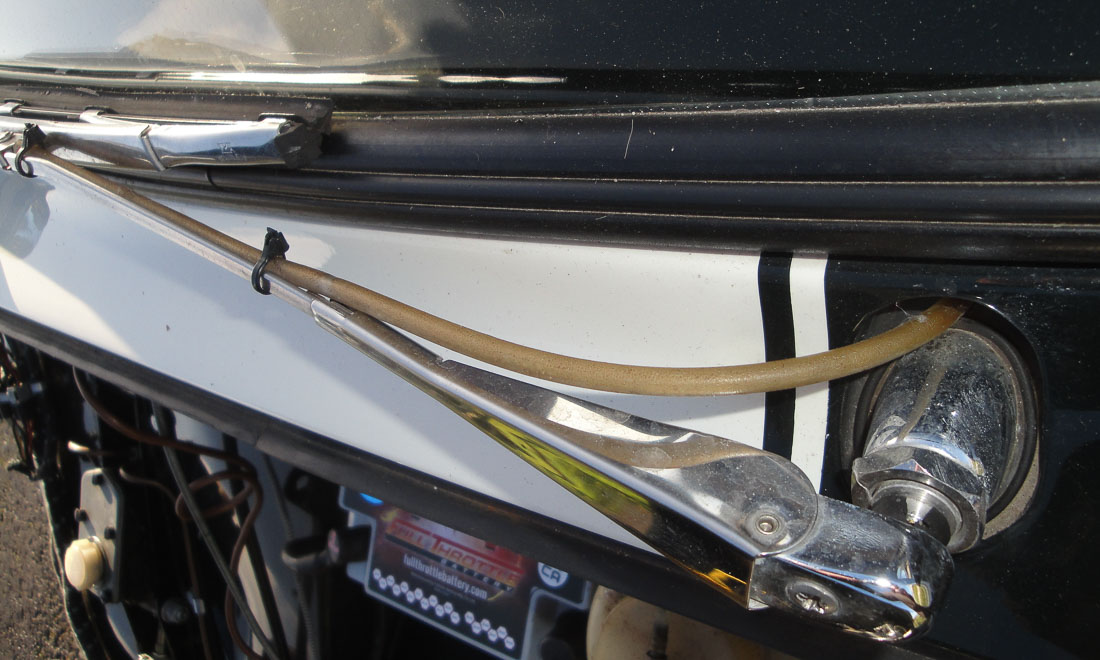
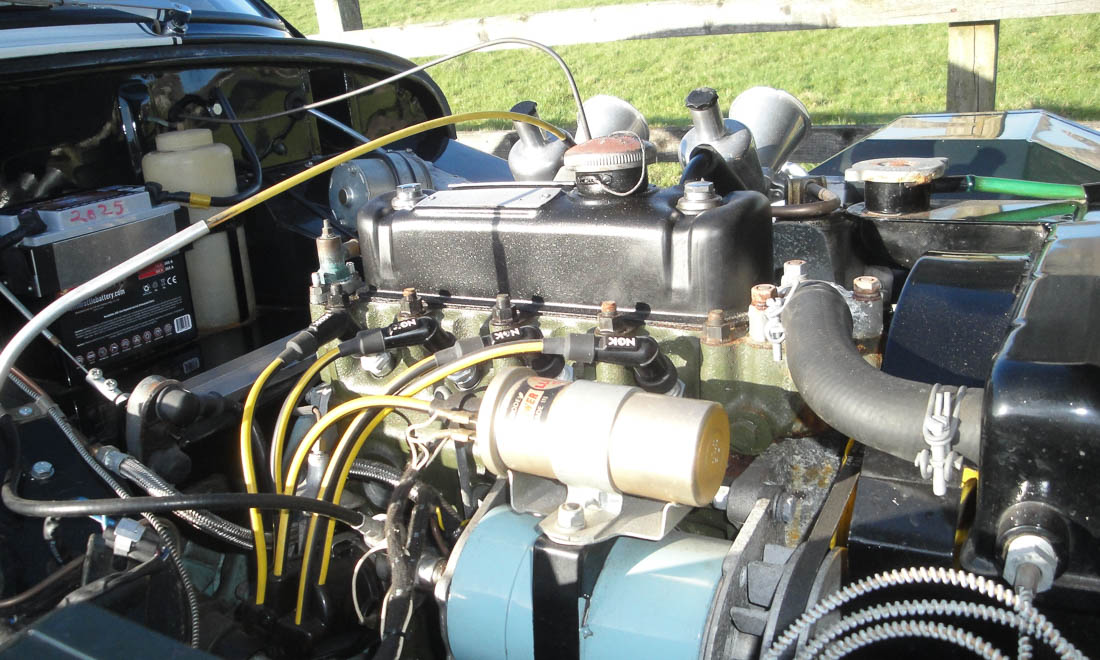
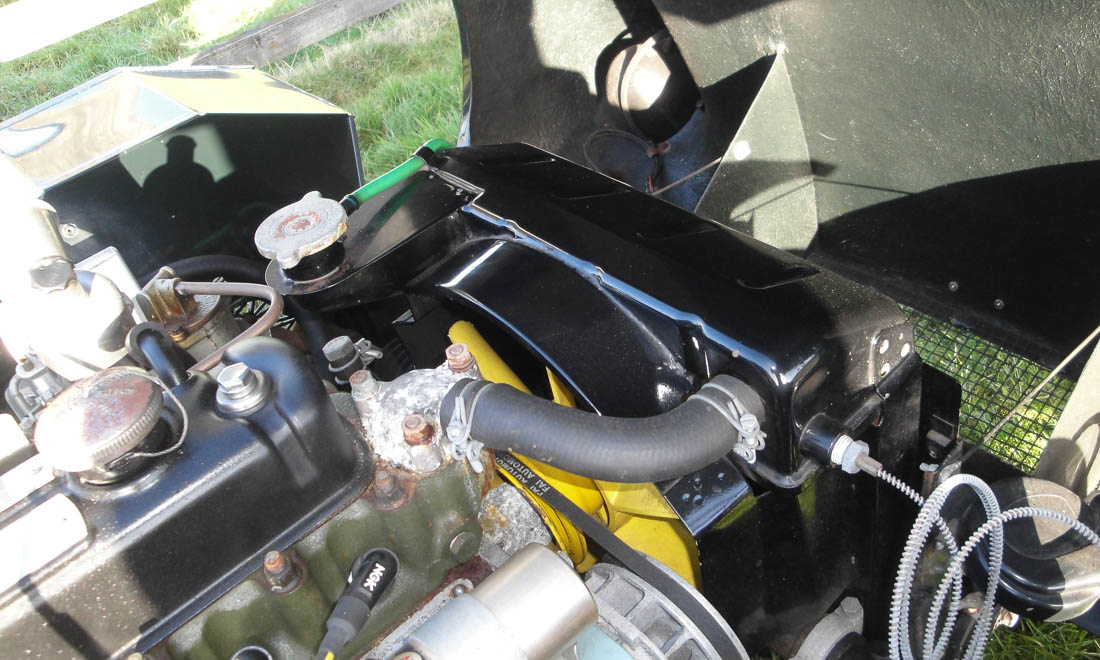
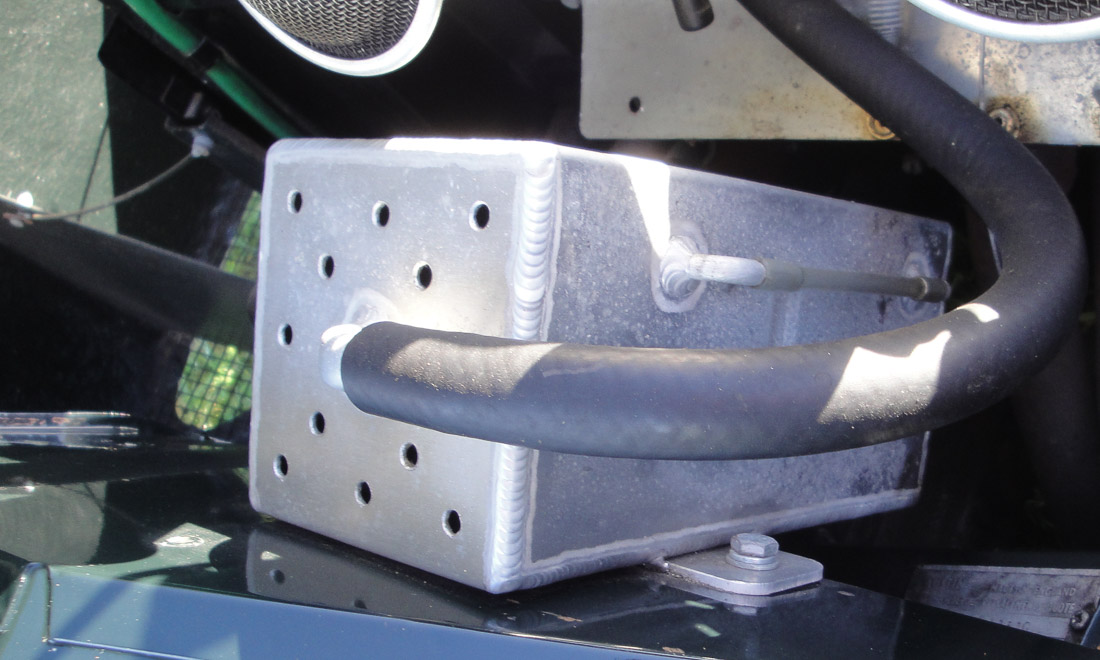
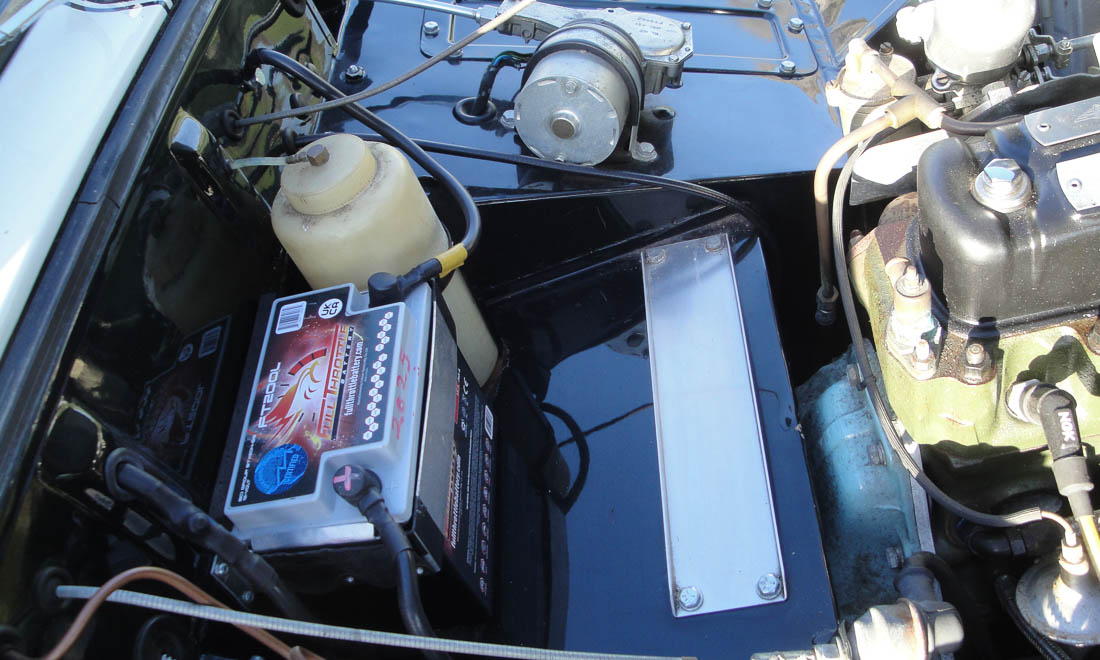
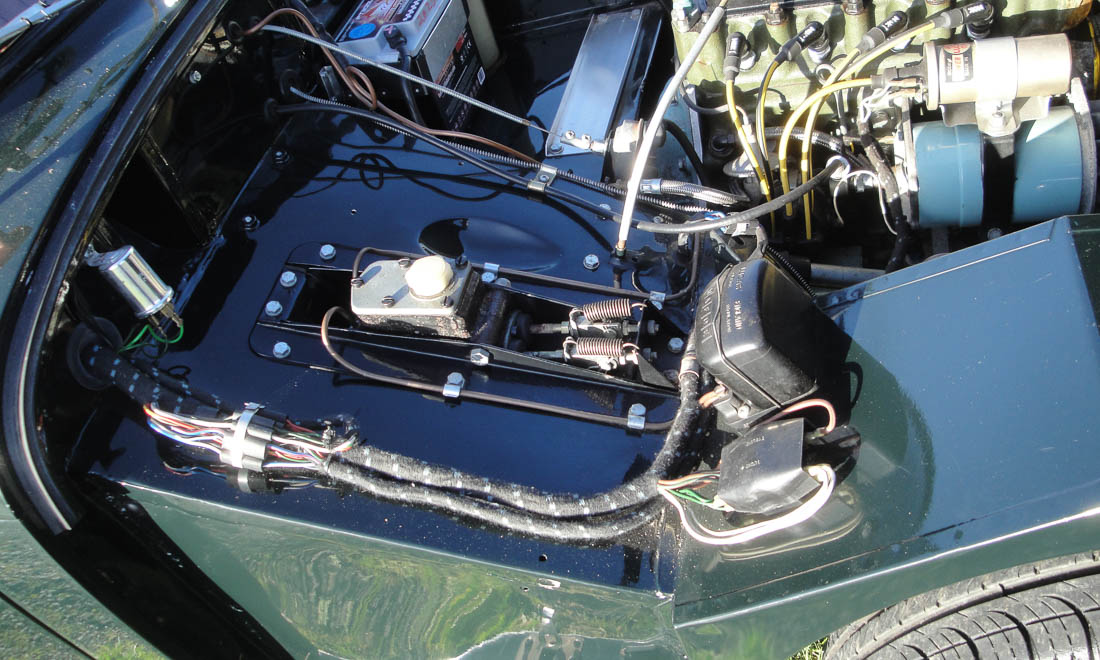
Flip the front hinged bonnet forward and the very well finished engine bay is readily accessible. Wire hose clips, a neat aluminium catch tank, NGK plug caps and yellow/black HT leads are all indicative of diligent attention to detail while the paintwork is on a par with the outer body. There are one or two alloy components such as the thermostat housing that could do with a little attention from a toothbrush and some metal polish. It is comforting to see that a new ‘Full Throttle’ race battery has recently been installed.
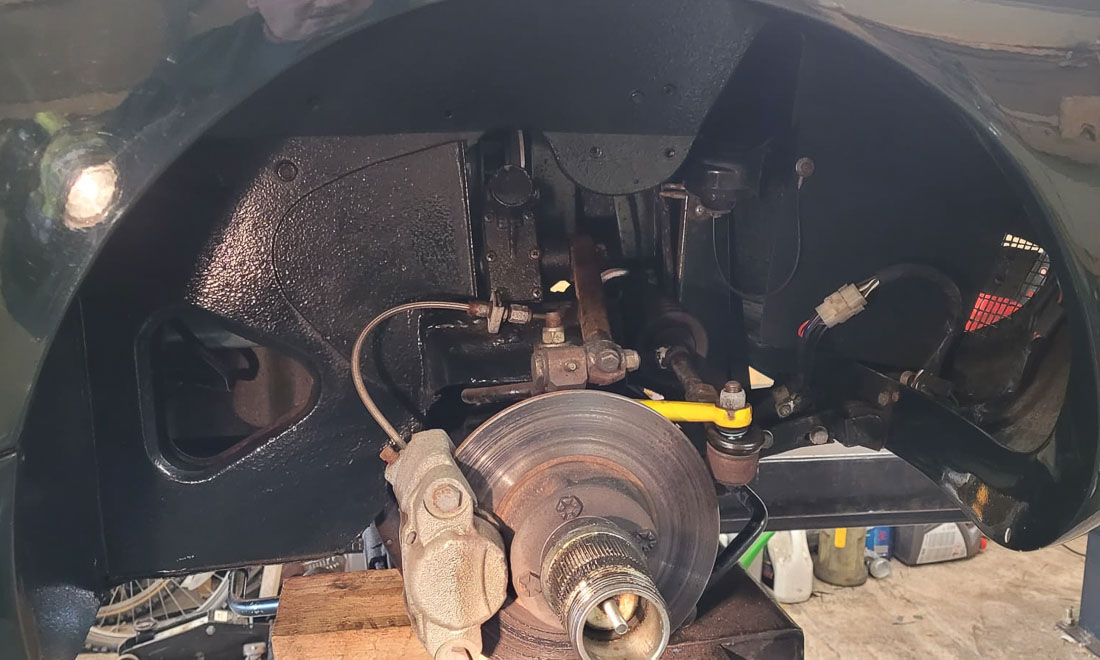
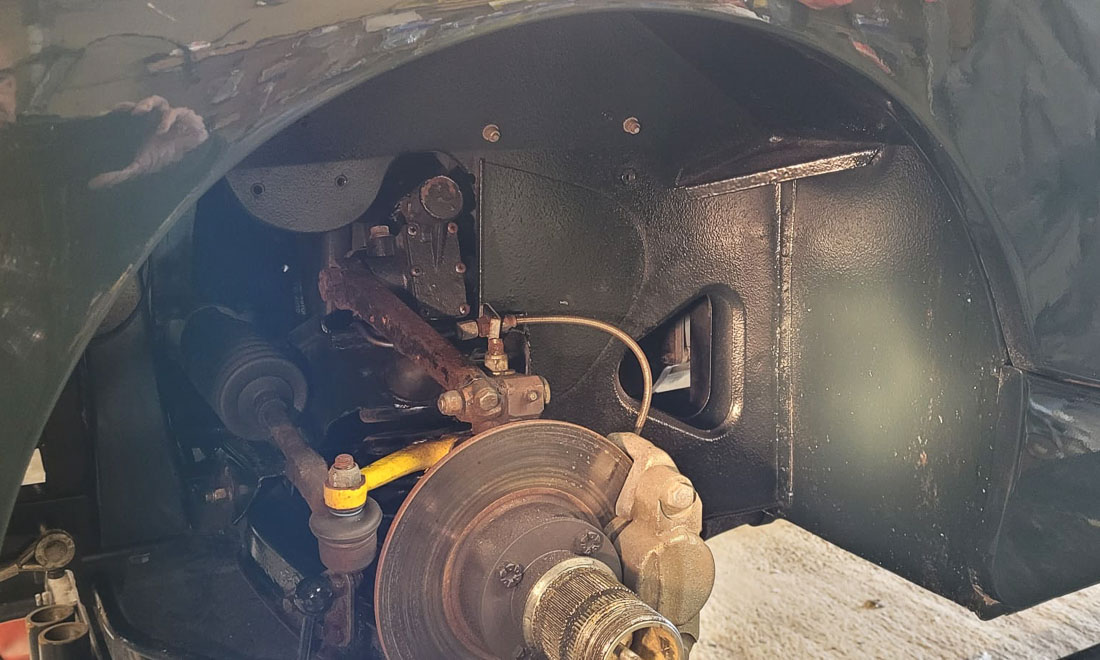
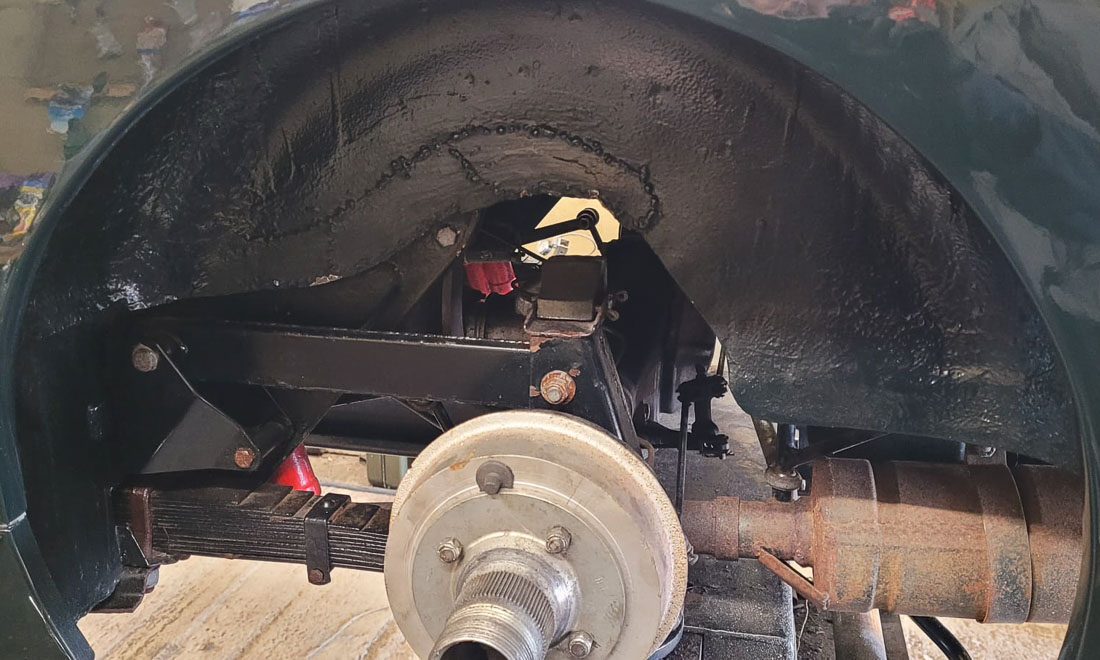
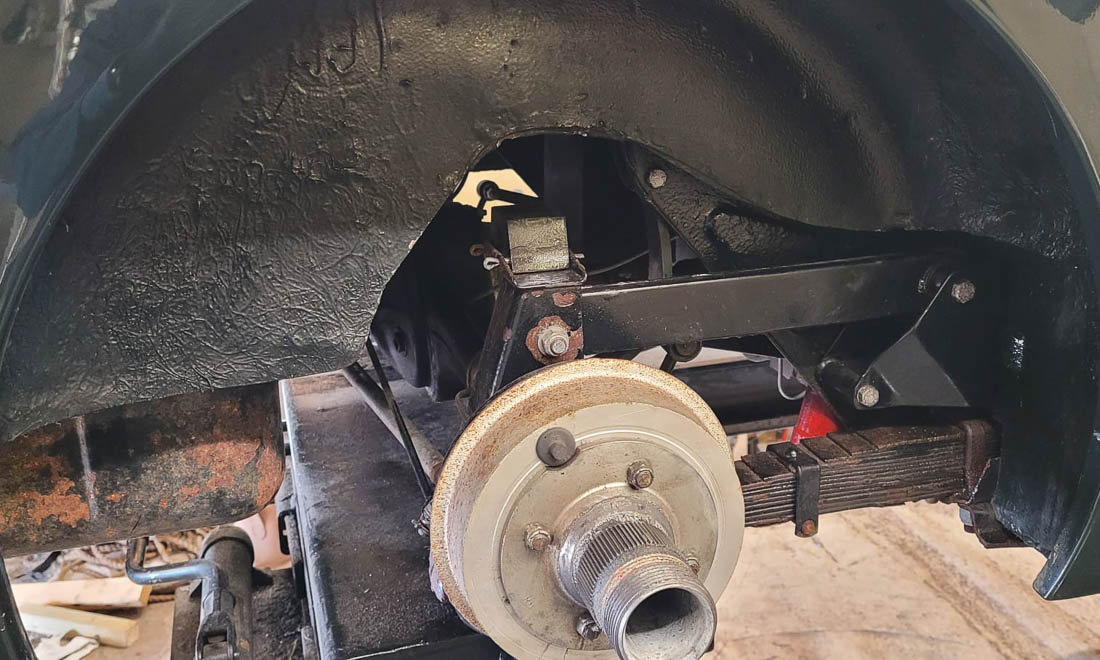
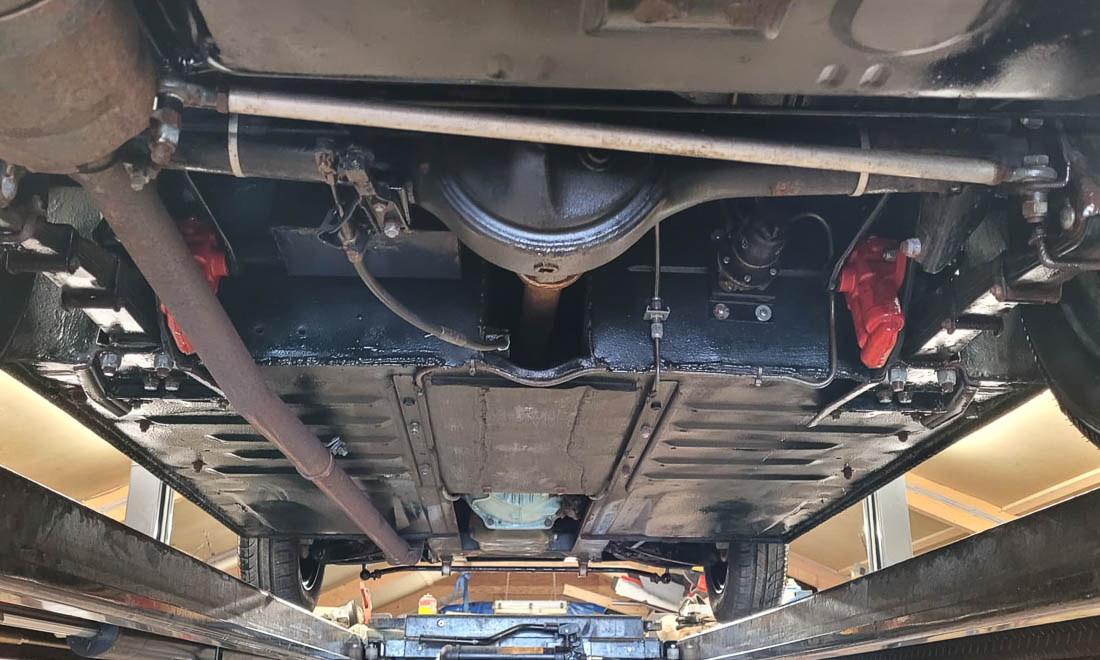
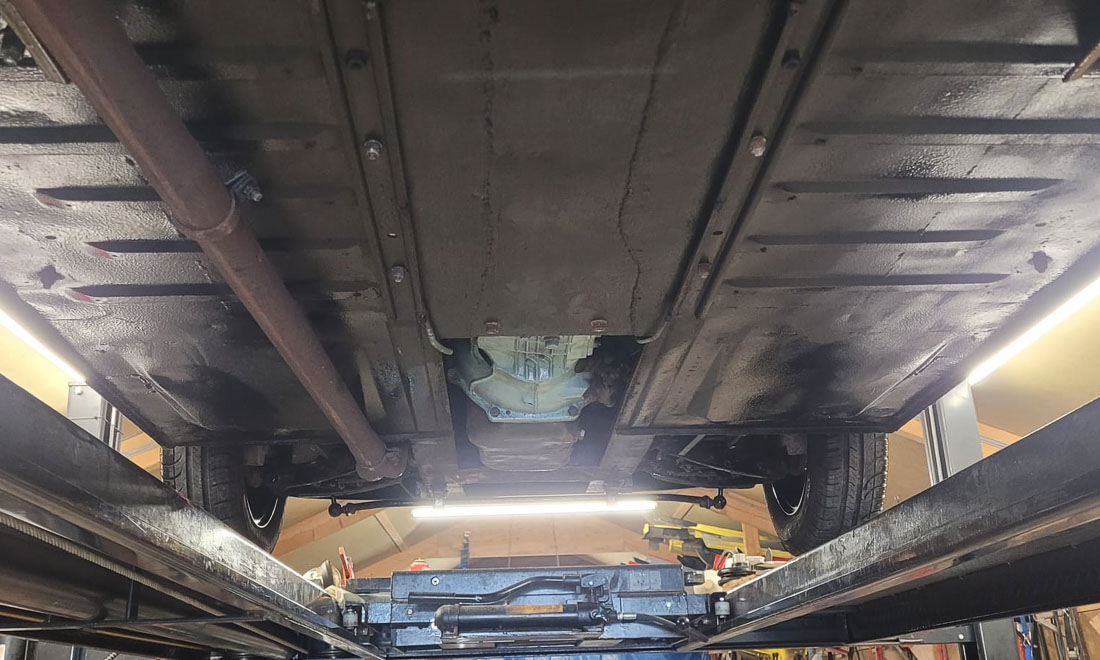
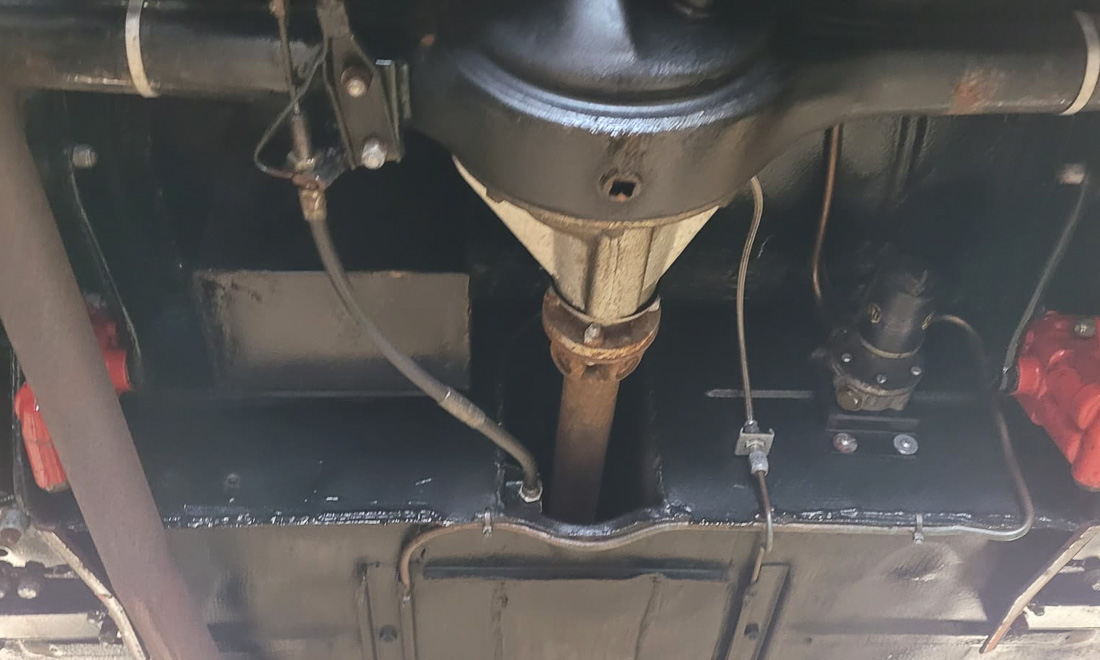
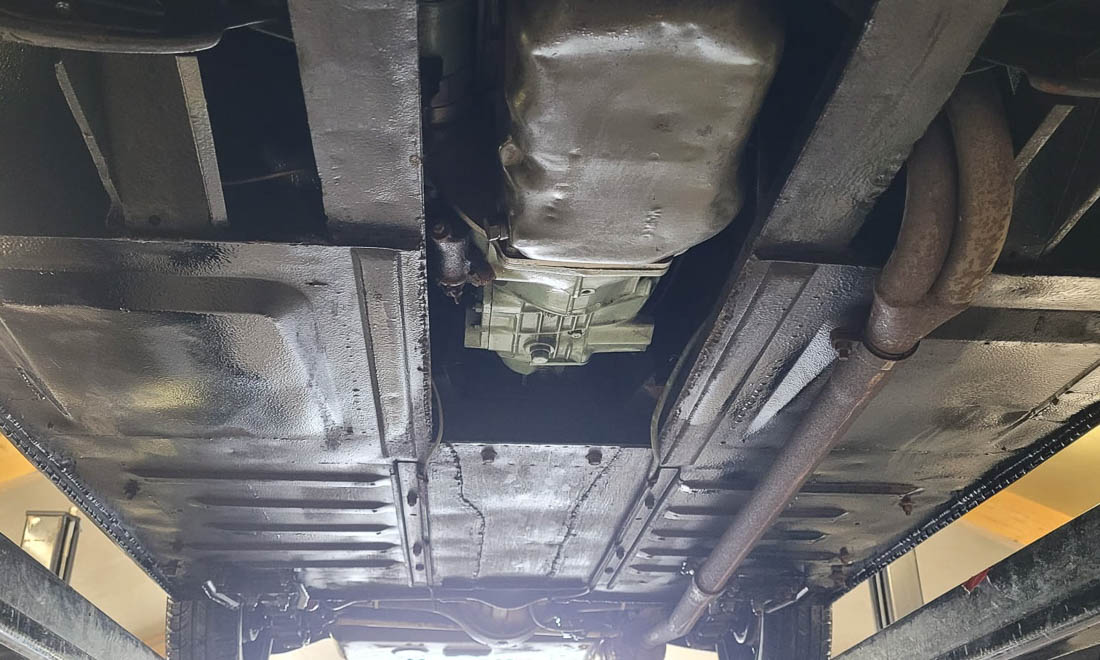
Underneath everything looks to be in good shape and super solid with nice pipe runs, braided hoses and the like again pointing to a high standard of work. Again, please see the photo gallery.
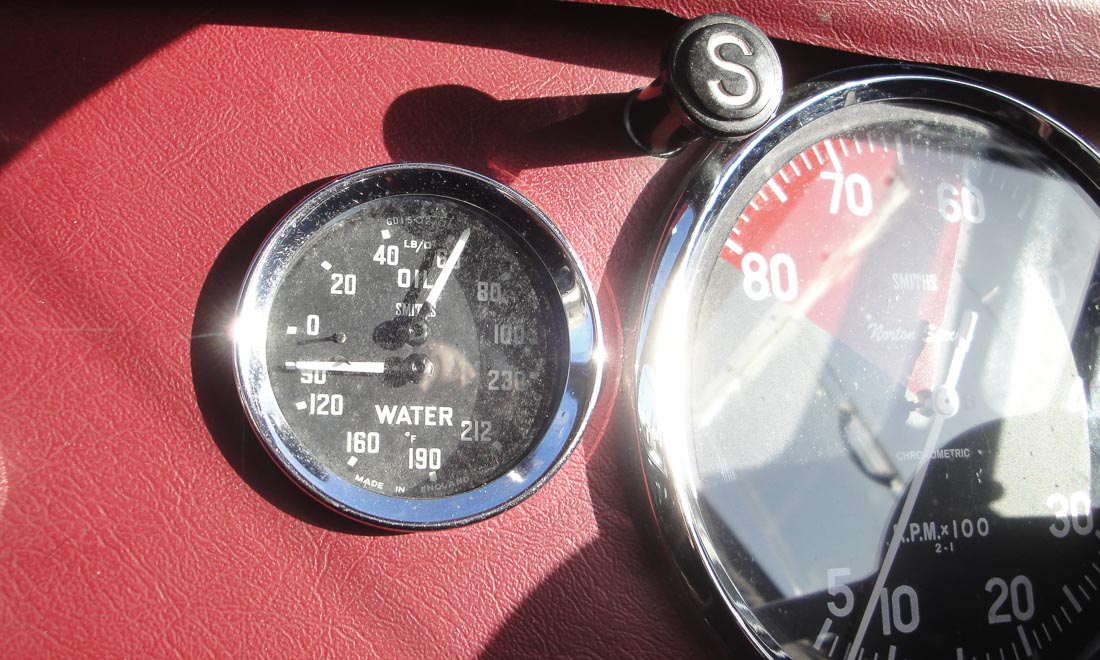
With a bit of choke and a pull on the starter toggle, the high torque motor quickly has the very sweet ‘A Series’ engine running and within a minute or so it settles to a smooth idle at a remarkably low 600 rpm, at which point it is showing a healthy 60 psi oil pressure; a few revs sees this rise to over 70. Lovely induction noise via the carburettor trumpets and an equally nice exhaust note encourage wilful throttle blipping and on the move, the well set up power unit propels the Sebring briskly up through the gears snicked via a lovely slick, positive lever, with no untoward noises evident from any of the running gear.
In the substantial History File there is a thick wedge of parts invoices from the usual suspects such as Moss, AH Spares, Think Automotive, and Maniflow, though of course the labour for the initial build was taken care of by Steve. Invoices are also present for the engine rebuilds and setting up work as outlined above. There is also a very informative article published in a 2015 issue of Austin Healey Enthusiast magazine detailing the build. The current V5C is on file along with the original Buff log book.
All but ready for some light competition work, say in sprints, hill-climbs, or regularity type rallies such as Le Jog, it wouldn’t take much to take this Sebring to the next level as an all out circuit racer. Alternatively, it is more than civilized enough to be used on the road for touring or just popping to the shops - the long way.
Please forward video of Sprite running
Hi PA32. Many thanks for your questions. We are have just received videos of the Sprite running and will forward those to you. There do not appear to be any issues with the engine though as noted above, the thermostat housing would definitely benefit from a good exterior clean as a result of what looks to be an historical coolant weep. Though the Sprite has been comprehensively rebuilt, (including the engine by renowned specialist Peter May), one should bear in mind it is sixty-six years old. Having said that, on inspection we could find no mechanical or rust issues that should cause concern. Hopefully we have covered the few cosmetic imperfections in our description and 'warts and all' photo gallery. Regarding the previous auction sale, the Sprite was bought for stock by a well respected dealer who often chooses to sell via Berlinetta. We wish you and indeed all interested parties the best of luck should you decide to bid.
February 17th at 07 : 33 AM
If you are able to respond to my question that would really help. Also I notice that the car was sold at another auction just a few months ago and I was curious as to why it was being sold again so soon after? Look forward to hearing from you. Thanks
Hi. Could you please tell me if you have a video of the Sprite running? Also I notice there is remnants of a coolant leak around the thermostat housing and rocker cover? Are there any issues with the engine and has any previous issue been resolved? Is there anything mechanical or cosmetic (rust/chassis/body etc) that probably needs attention or is the car good to drive even a longer drive? Many thanks
February 15th at 06 : 45 PM
February 11th at 12 : 37 PM
February 11th at 12 : 36 PM
February 11th at 05 : 49 AM







COMMENTS