

Winning Amount: £ 18,050.00
User ID: I*******y
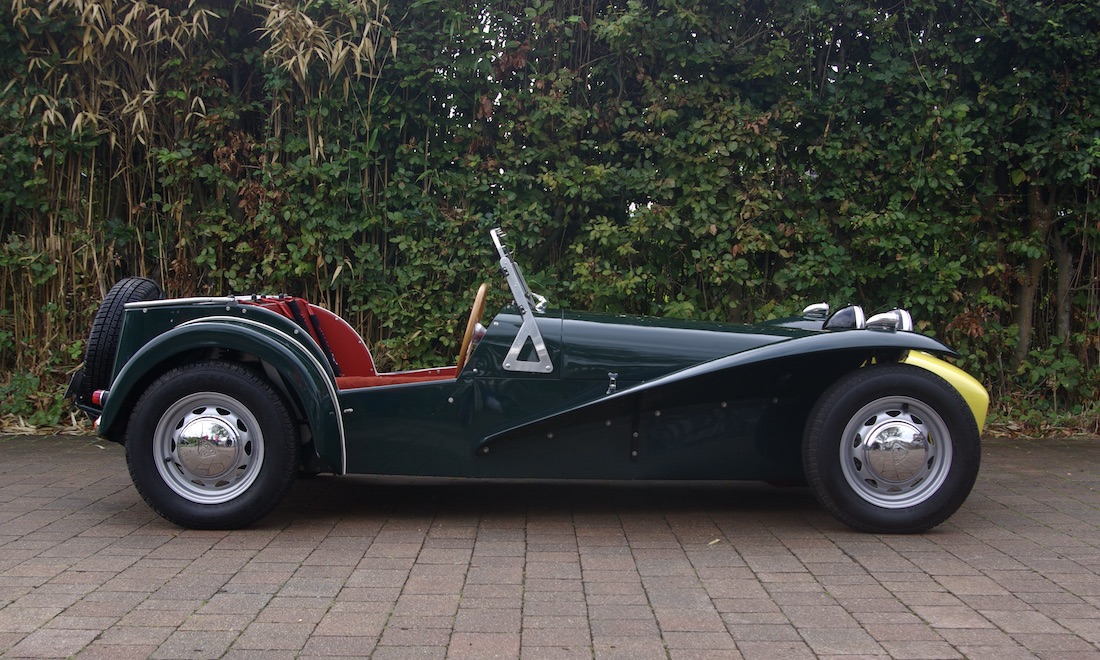
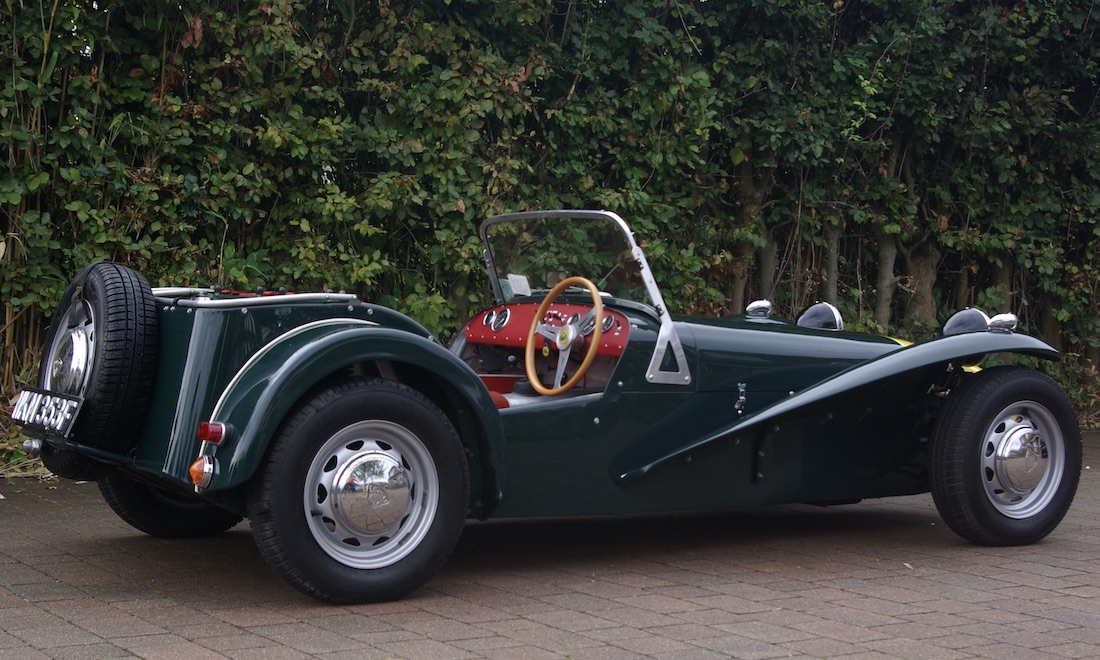
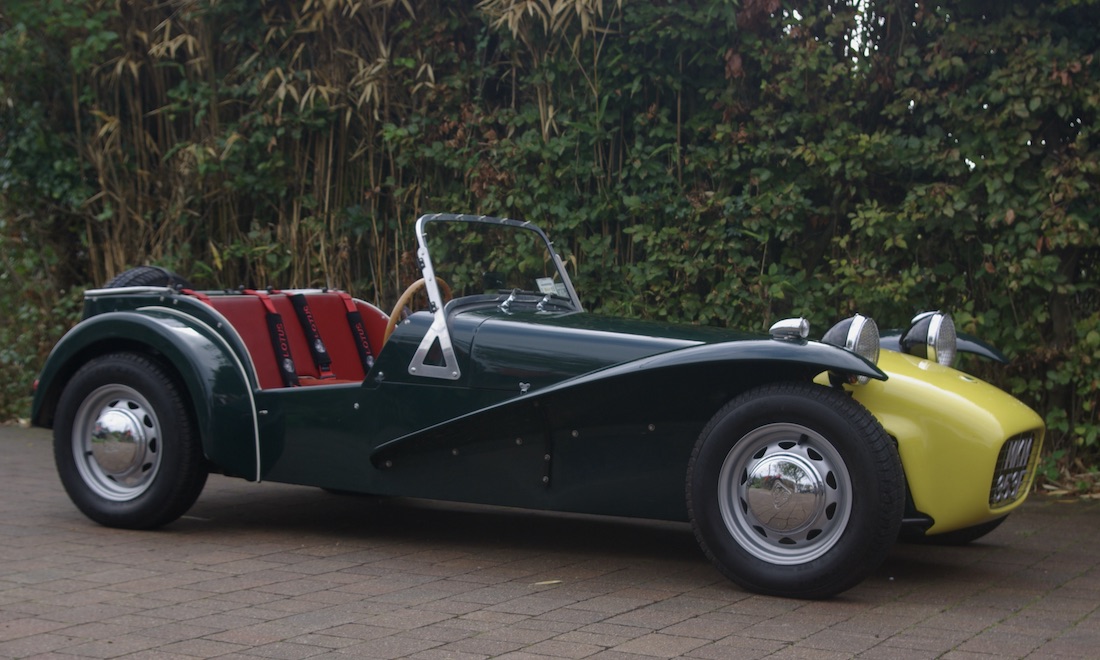
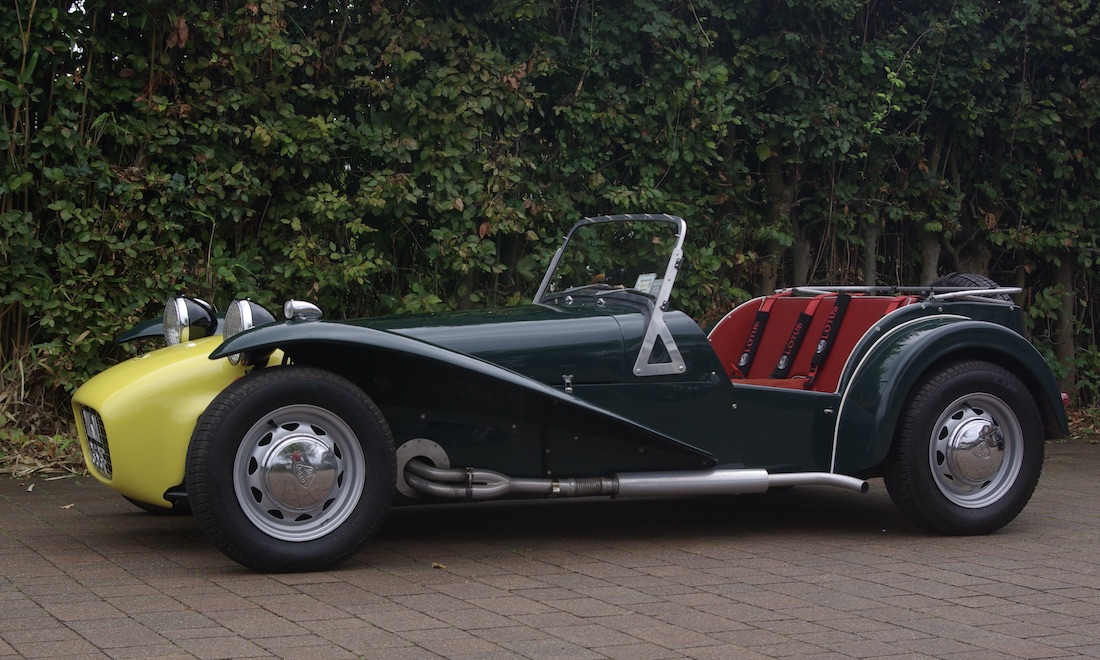
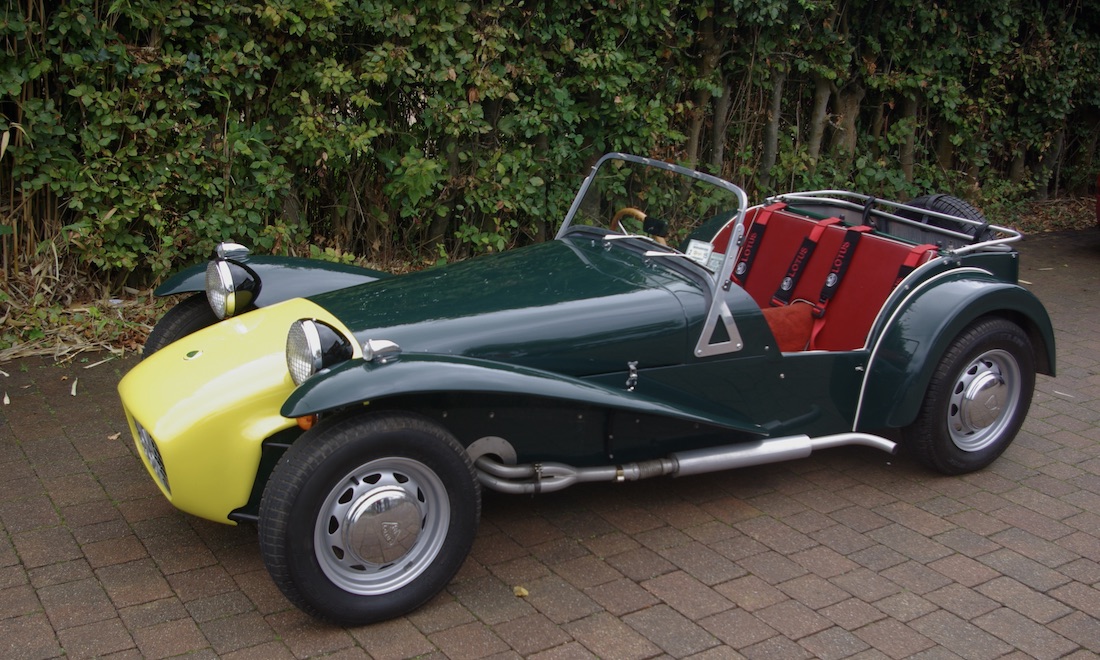
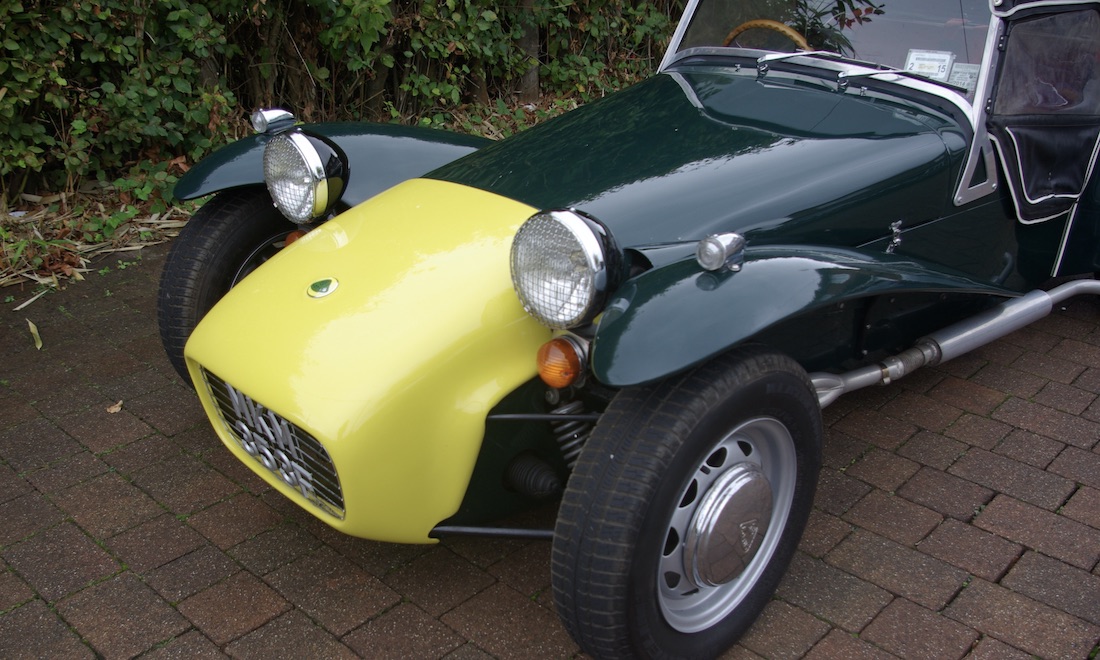
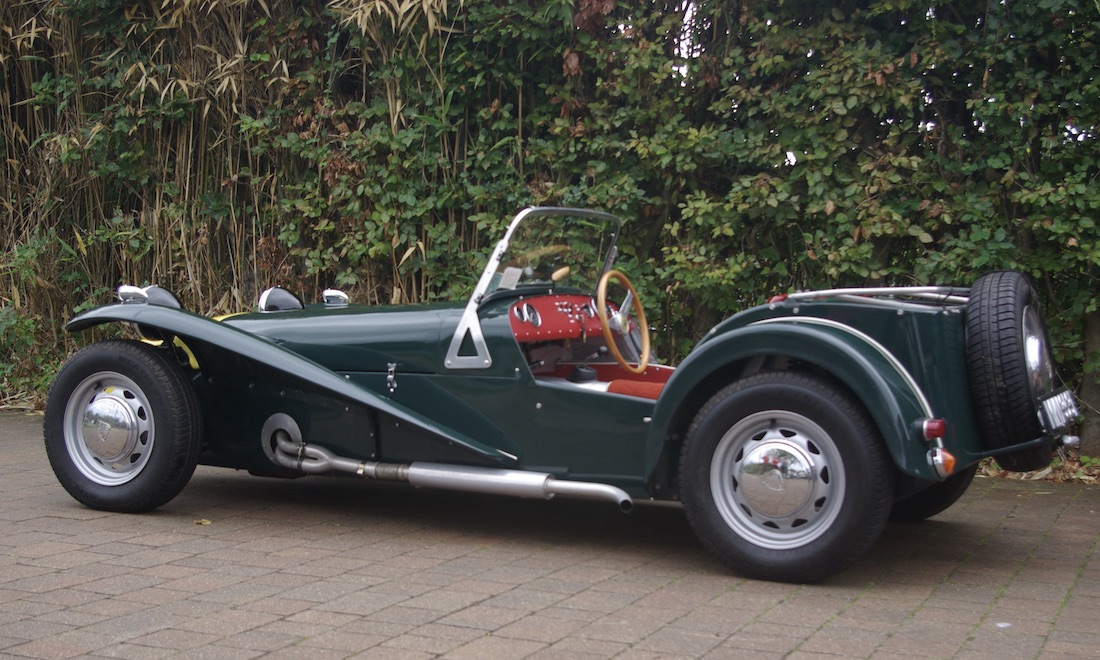
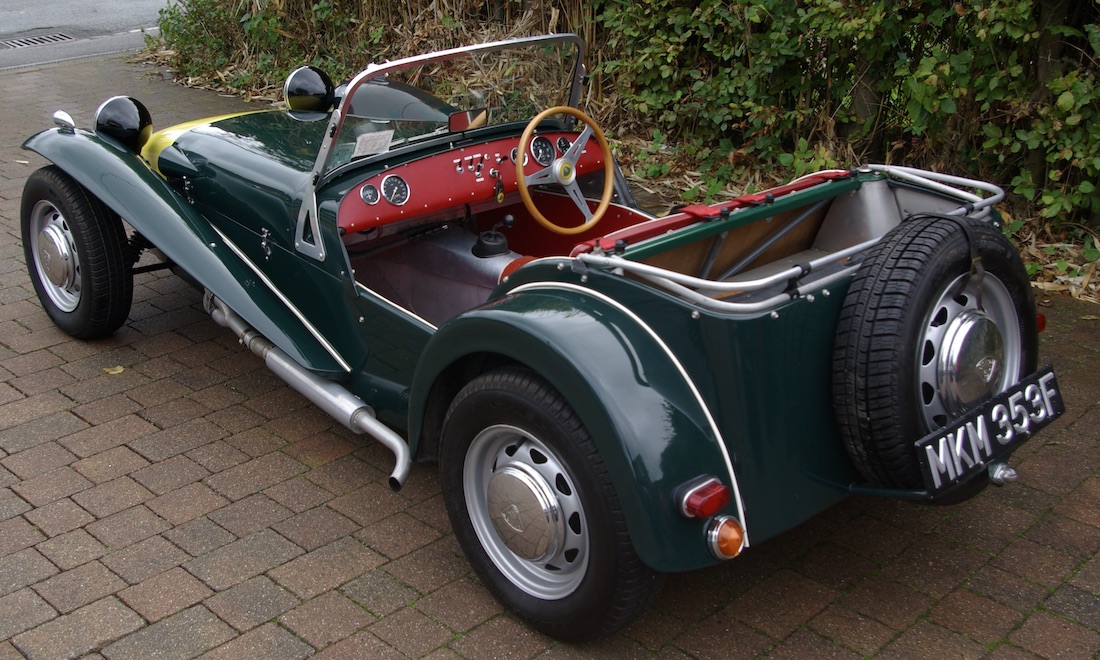







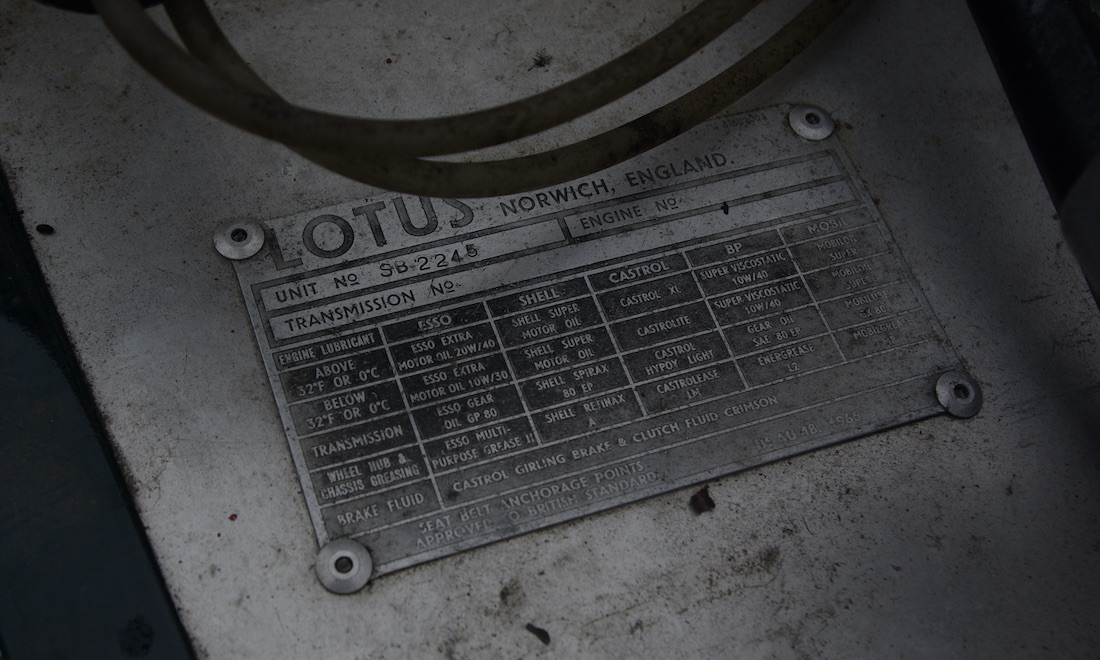


“Every Sports Car enthusiast should own a Lotus 7”. Road and Track, April 1968.
1967 was another big year for Lotus, Colin Chapman's relentless energy and ingenuity having taken his fledgling car company from a lockup at the back of his dad’s pub in Cheshunt to a new 55 acre site at Hethel - finally, here was a complex of buildings big enough to comfortably house the entire Lotus Group (Cars, Components, Engineering and Team).
The previous 7 (good number, that) years had seen this remarkable group of enthusiasts morph from backstreet blacksmiths – or ‘Garagistas ’ as Mr Ferrari somewhat disgruntledly referred to them – to multiple World Champions selling road cars around the world and from fit for then purpose aluminium clad spaceframes to monocoque racers and backbone chassis equipped front and mid-engined road cars.
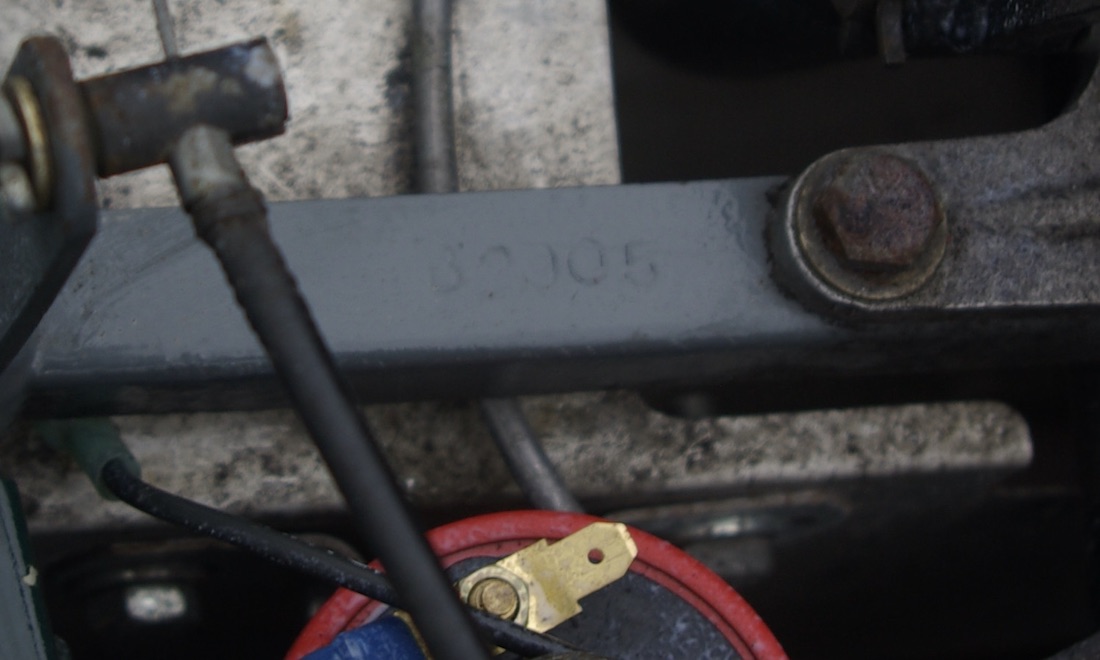
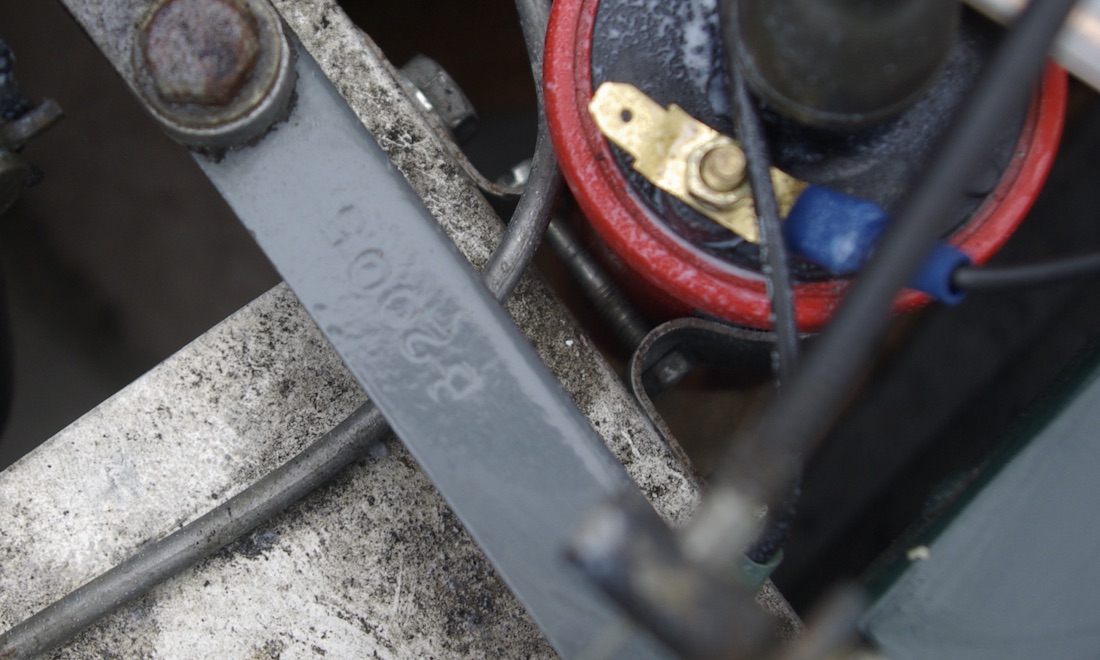
Jim Clark's championship years had arrived in '63 and '65, and having spent 1967 developing the fast but (as per Lotus tradition) fragile Type 49 into yet another world beater, Team Lotus looked set for further glory in 1968 - until that miserable April day at Hockenheim put paid to all of that. When the mechanics back at the factory started to build up frame number B2005 in late '67 however, the buzz emanating from this young company that was absolutely at the top of its game (and on top of the world) must have been extraordinary. Tea breaks would have been few and far between however, given that as well as knocking out the Type 41/41B, 42/42F, 47, 48, 49 and 51 race cars, there was the little matter of Lotus' burgeoning road car range to consider.
By this time the exotic fibreglass monocoque Elite had come and gone, to be replaced by the altogether more practical (and affordable) Elan, which was now available in S3 coupe, convertible and +2 form, with the mid engined Europa coming on stream as 1967's brand new model. Alongside these technological marvels the venerable Seven continued to essentially keep the company afloat, having been a smash hit since its introduction ten years previously, and now rejoicing in a more developed and, ahem, 'civilised' S2 form.
At this point in the company's development, Lotus Cars Ltd were responsible for the production, marketing and sales of the road cars, while Lotus Components Ltd did the same for the customer competition machines – and notably if slightly illogically, the Seven. Perhaps Chapman’s vision of a more upmarket future for Lotus road cars resulted in the Seven being lumped in with the race cars but given it had far more in common with the spaceframe constructed competition machines from VI to 24 (Type 14 excepted) than the brave new Elan & Europa-shaped world of fibreglass and folded steel, it did make production and indeed marketing sense.
Relatively quick to produce, by dint of getting the lucky buyer to bolt most of the 'components' of the car together themselves (while saving a bunch of tax in the process), it made sense for the guys producing competition Lotus’ to at least partially assemble the Seven too and output noticeably ramped up and down depending on the stage of the racing season and hence how busy Lotus Components were building track cars.
If you plonked a modern supercar such as an Aston Martin Vanquish on one end of a hypothetical seesaw (or even a real one, if it takes your fancy), you'd need to add no less than 5 Lotus' to the other end before the Aston begrudgingly parted company with terra firma, and the result of all this added lightness was that just 1,498cc was enough to propel the Super Seven to 60 mph in just over 6 seconds - a decent enough number today, an absolutely staggering one sixty years ago. On top of this, it was a stone-cold bargain at £695 for the 'top of the range' Cosworth version, at a time when an MGB would set you back £750 (and cover 0-60 in..... Hang on, bear with me.......11 seconds). Indeed, if you wanted a faster car off the mark then you'd be looking at something truly exotic like a SWB Porsche 911S, and that, unfortunately, would set you back over £3,000.
Never someone who appeared overly concerned with things like 'bottom lines', it's fair to say that the Seven can’t have made Chapman a huge amount of money over the years but it kept the race car workers busy (and paid) in the off season and there can be little doubt that without it, Lotus would not have survived.
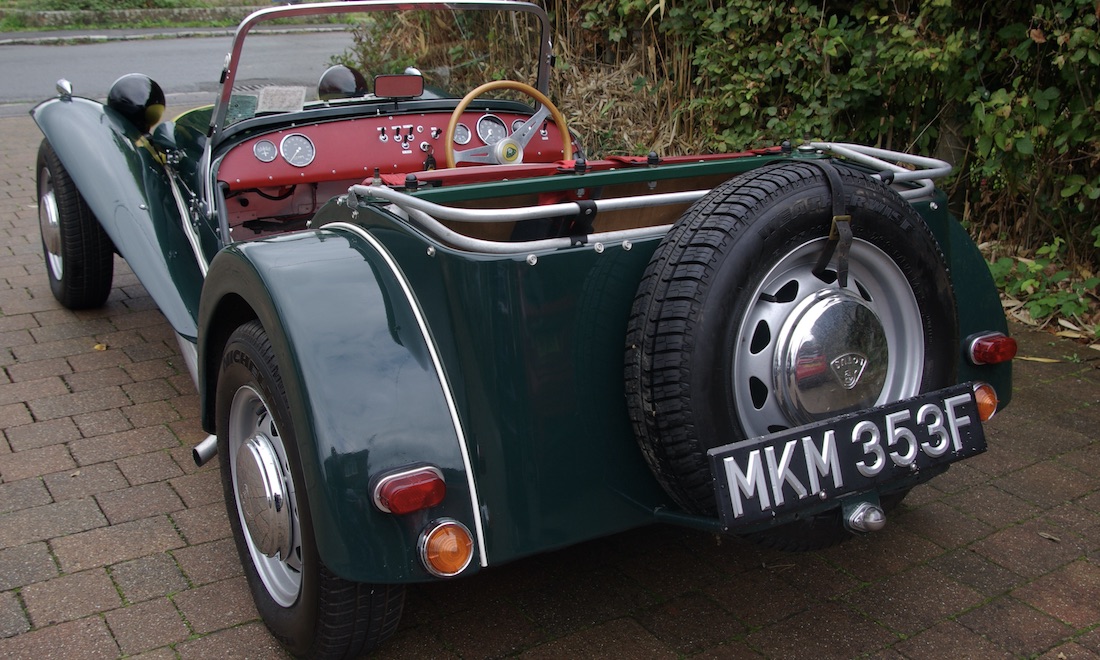
As is often the case, the early history of MKM 353F has been lost in the mists of time, but John Watson of the Lotus 7 Register may, we understand, be able to provide some details as to the the first owner - he is certainly aware of this car and has confirmed that the chassis and frame numbers tally as they should do. What we know for sure is that the MKM 353F 'plate was awarded when new, and the 7 then spent the first 20 years of its life in the UK before being exported to the USA at some point in 1987.
In 1990 an Andrew Havas of Havspeed in New York acquired the car as a rolling, non-running project. 16 years later (!) in April 2006 he wrote to the Simple Sevens Lotus Registry, saying that he had nearly completed the necessary work on the car (so he certainly took his time) but the work he carried out was clearly extensive. At or near the start of the process he must have sold the car to a Mr Mike Hallenback (also of New York State), as there's a letter on file from John Watson to Mike, dated 1998 from which it's clear that Mike has owned the car for 8 years - so we can assume that the subsequent full restoration was carried out by Mr Havas for Mr Hallenback, as the new owner - indeed John concludes his letter by wishing the latter 'good luck with the completion of the restoration'.
Clearly the relationship remained a strong one throughout the years anyway, as Mr Havas was also heavily involved in the sale of the car back to the UK in 2014.
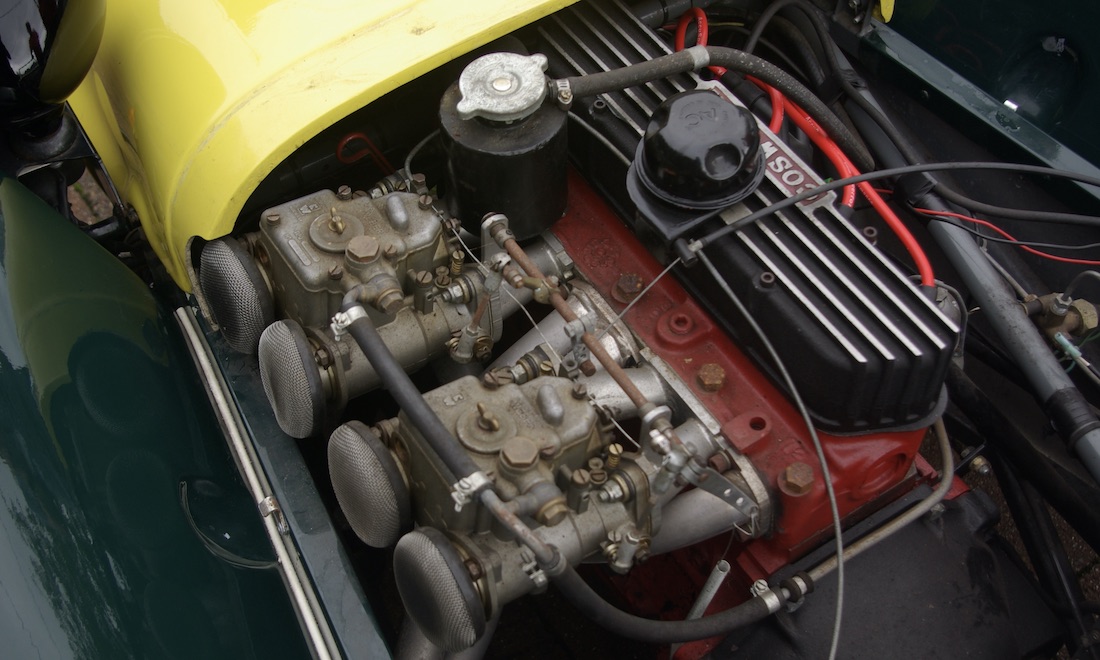
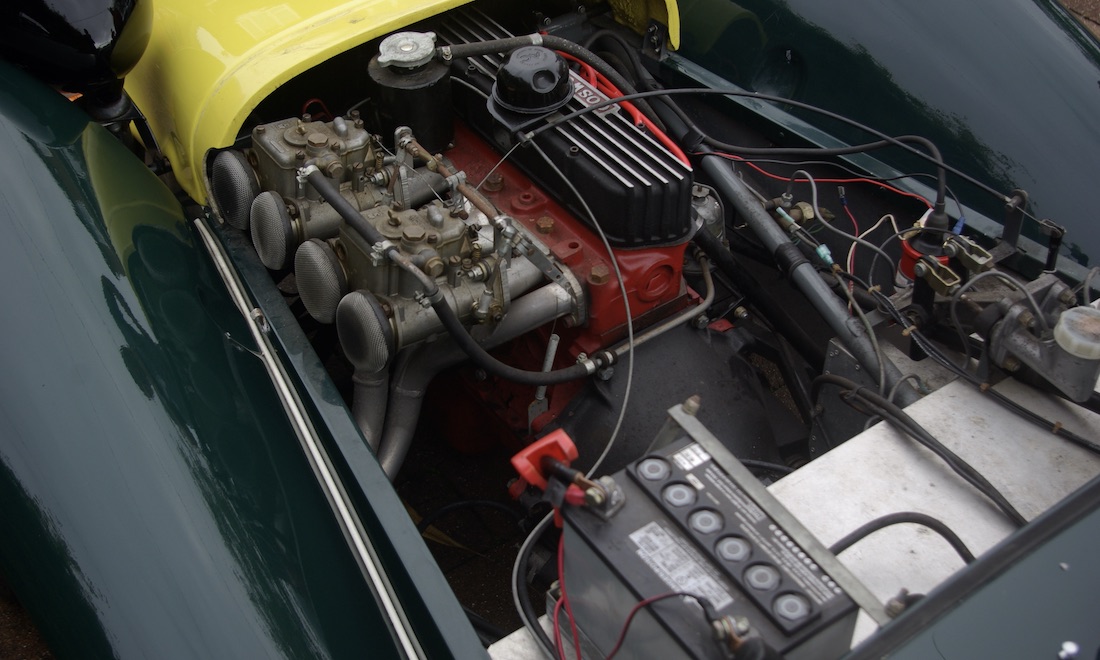
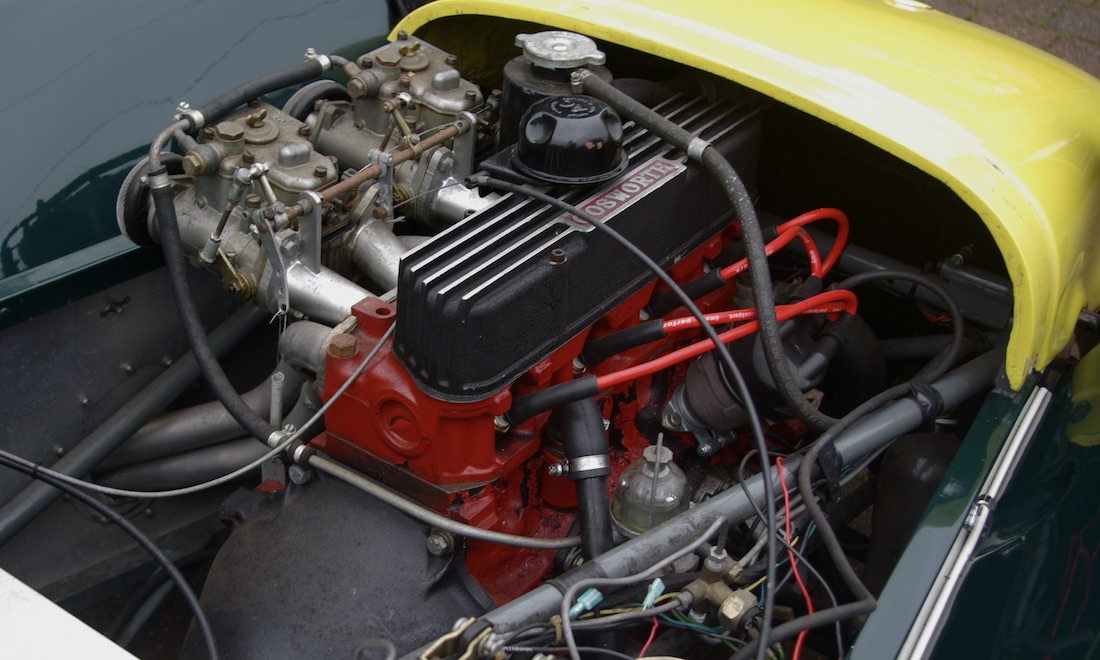
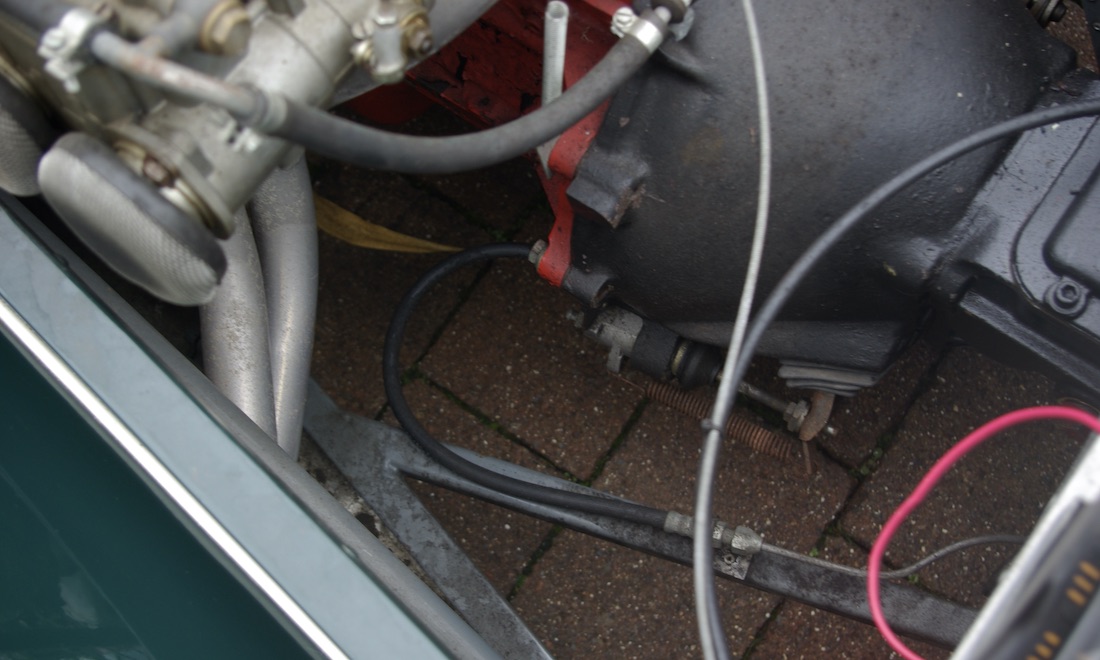
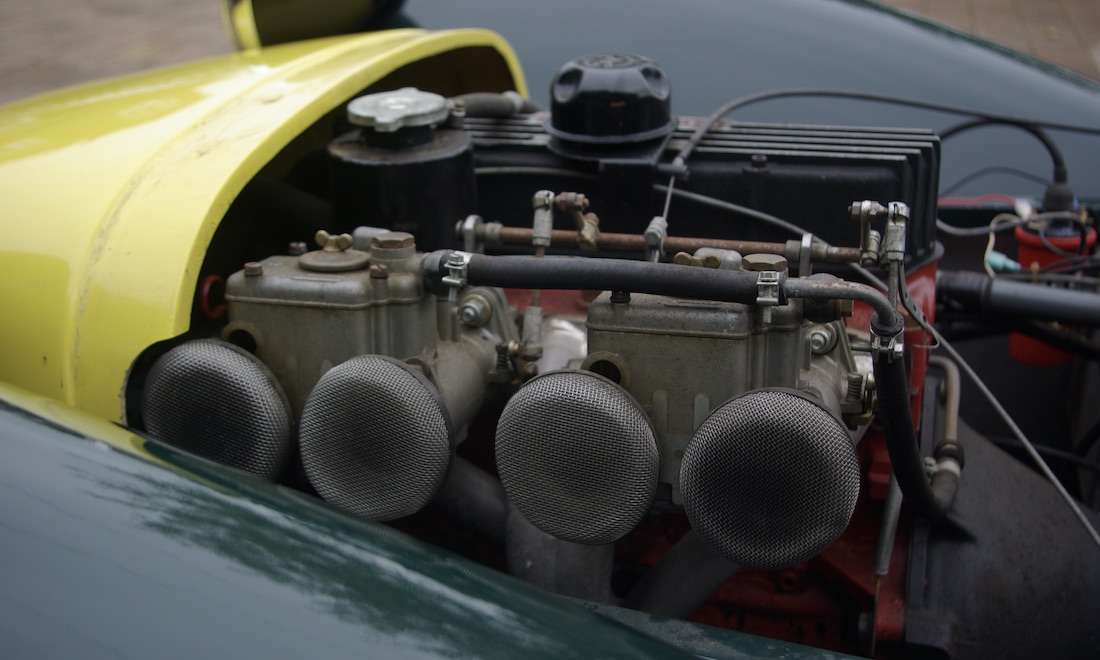
It was noted during the restoration that the 1498cc non-crossflow Ford engine which came with the car was a later "lip seal" type with "2731" cast into it (rather than 120E), which identified it as a 1967 or later non-crossflow block. At that point the car also sported the twin 40DCOE Webers that it has today, a 'hot' cam and the Cosworth rocker cover that you can see in the photo gallery. Mr Havas states in a later missive to the Simple Sevens Registry (dated November 2013) that 'I did my best to build it to 'Super Seven 1500 Cosworth' specs. The complete stripping of the chassis made it convenient to add some extra bracing, along the guidelines shown in Dennis Ortenburger's book 'Legend of the Lotus Seven'. I also replaced the "stegosaurus plate" on the Standard 10 rear housing with a lighter, tubular brace. Aside from these mods, I tried as best as I could to restore the car to original specs and appearance.'
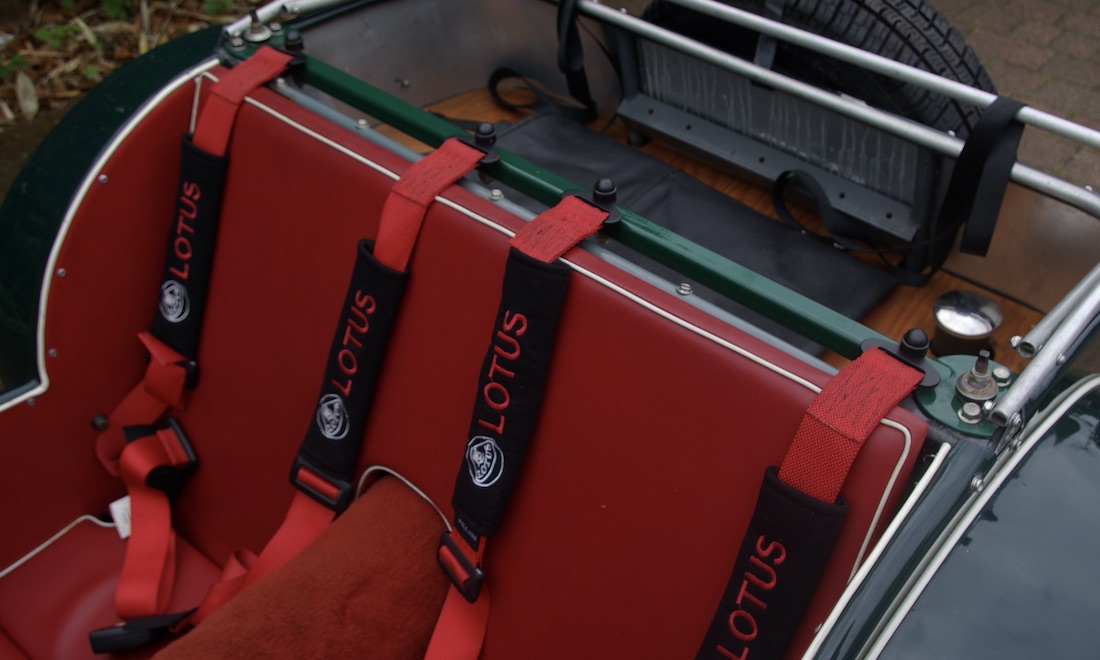
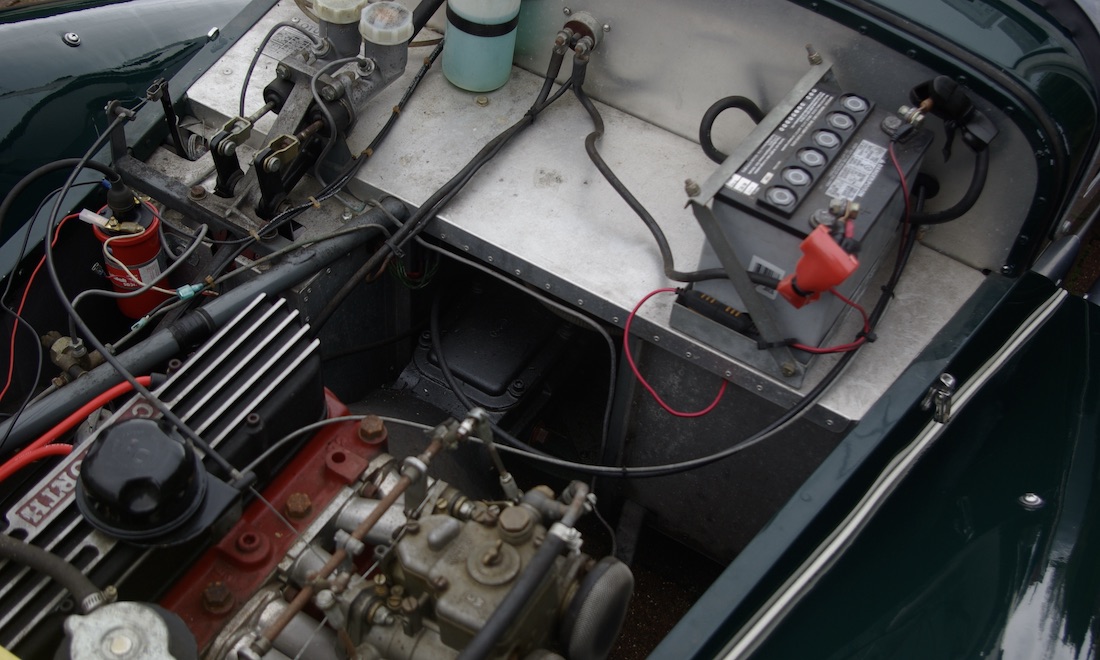
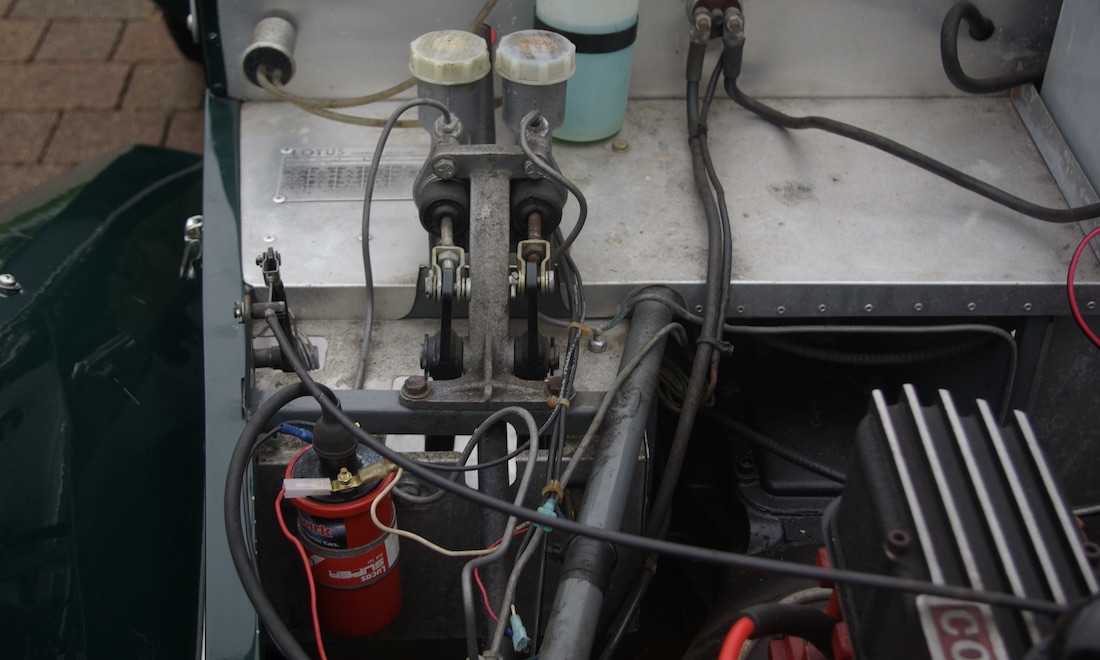
In addition to a full strip-down and re-skinning of the chassis, all the mechanical components (including the gearbox) were rebuilt at this time. The gauges were also rebuilt and a complete new wiring loom was installed. Work to the interior (if you can call it that) included new upholstery, a new hood, side curtains, Lamiplate panels, carpets and boot envelope. The car also comes with a handy half tonneau / boot cover, and to complete the wet weather picture the current owner added a new full tonneau cover in February 2018.
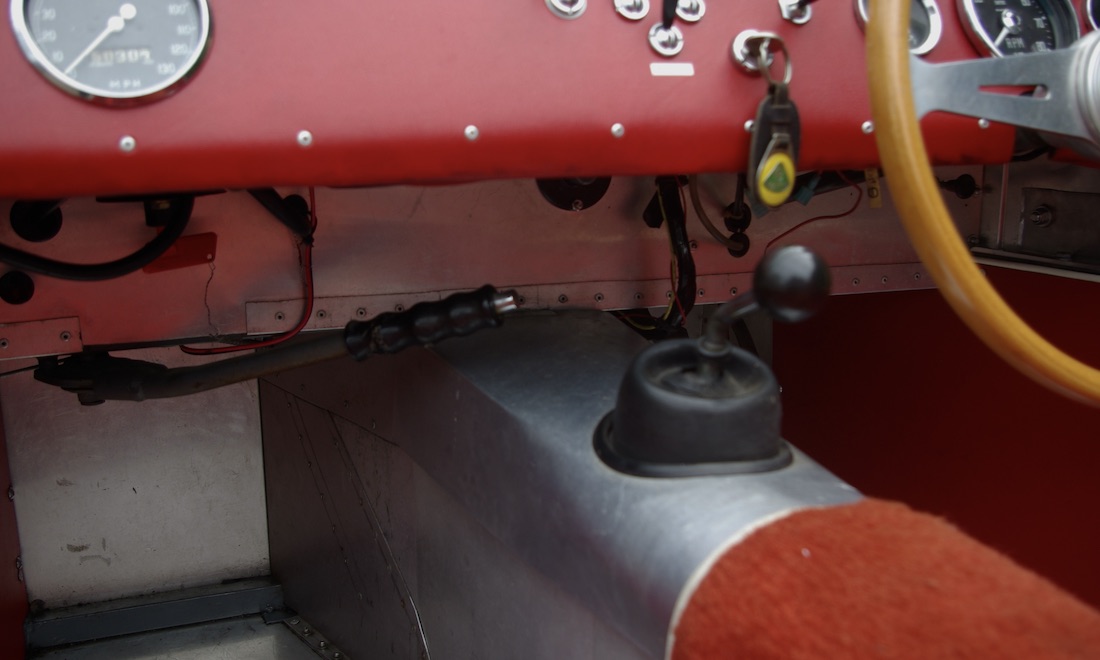
Today, the car presents as a really lovely, highly original example. Arriving to photograph it on a rather overcast Autumnal day, your scribe found it already being gently warmed through and carefully checked over. First impressions were excellent - the engine is clearly in rude health with 50psi and a deep and even burble at idle, there are no worrying squeaks, leaks or rattles and the exhasust colour is, well, essentially colourless. On the road the car feels taught and planted, with rapid progress being ridiculously easily attained - the short throw gear lever and lightening quick steering that the 7 is famous for also being much on show.
Back at base, further evidence of fastidious ownership arrives in the form of not only a thick A4 folder of chronologically filed paperwork, but also no less than 6 hardback books dedicated to the model (all of which will come with the car), the current owner is clearly not only someone who likes to see things done right, he's also a fully paid up and highly knowledgable enthusiast.
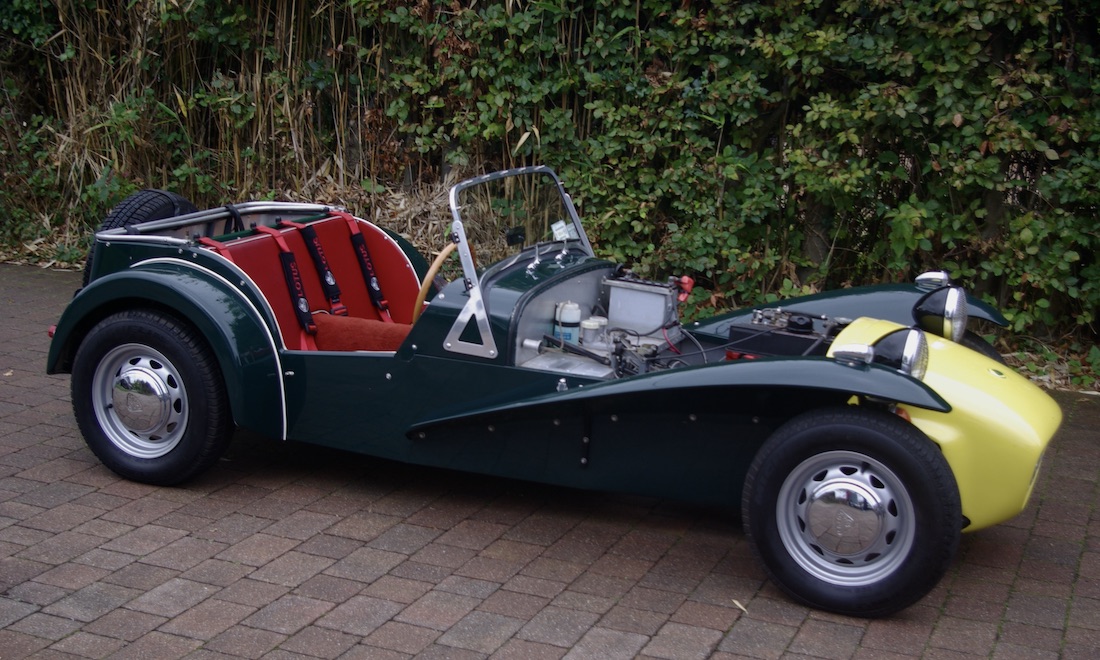
Walking around the car, points of note include the correct Elan-type 13" wheels with period correct Lotus-embossed hub caps, all shod with matching fresh Michelin 155 profile tyres, the white piping between the wings and body and on the weather gear is as it should be (it's often replaced with black), and the chassis is the correct (for a 1967 car) darker of the two shades Lotus used at this time.
The fuel filler is located in its original position in the boot - many owners choose to take it out through the bodywork for convenience, which is not a simple or cheap thing to put right, and staying in this area, the rear lights feature correct Lucas L539 indicators and Thorpe brake and side lights - which are original on post 1965 cars and very rare. The number plate light is also the correct L534 unit as you would expect - having been apparently employed on most cars in the '60's!
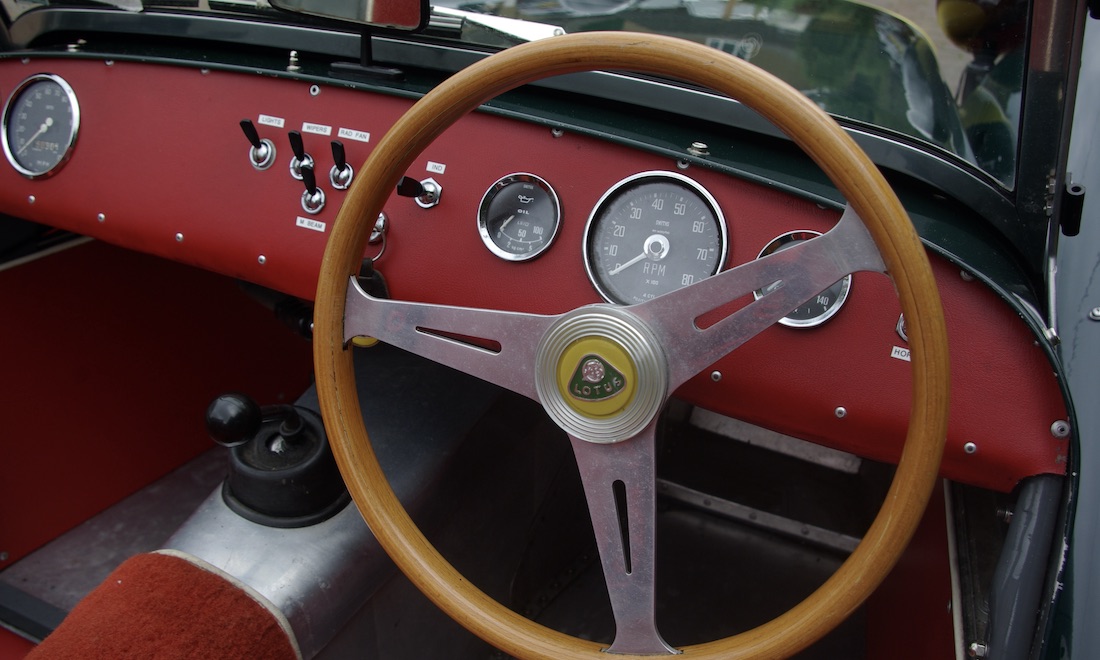
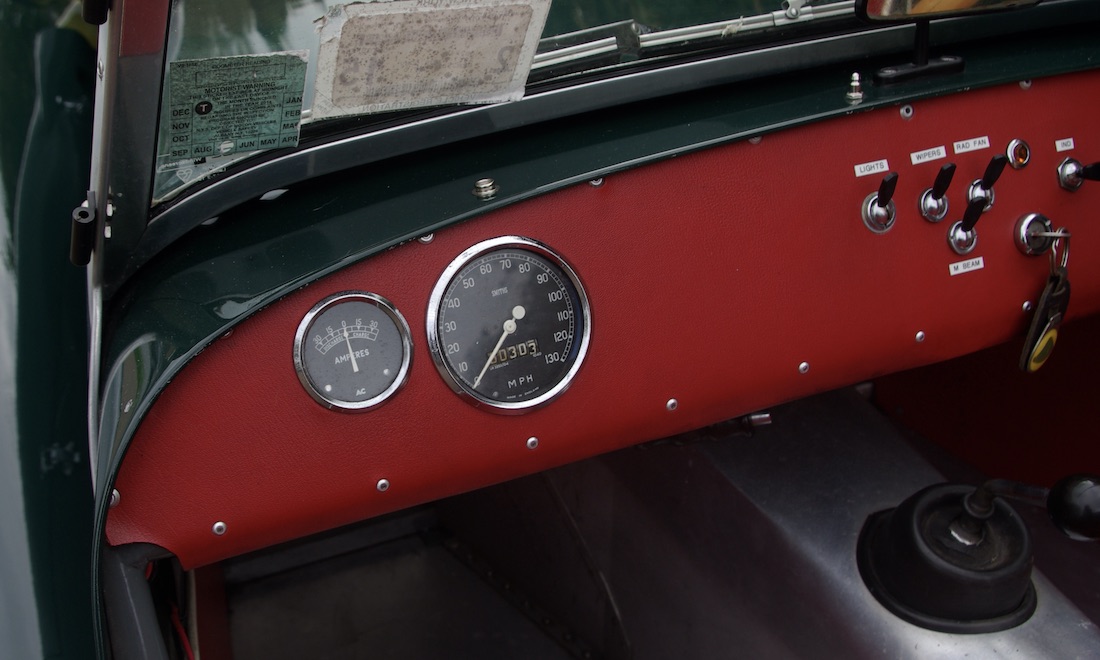
A lovely Springall steering wheel is topped off (or rather centred off) by an original Lotus centre badge / horn push, which as any Lotus owner will tell you, is worth a fortune in itself. The period correct (and no longer available) Lamiplate dash and interior side panels remain in perfect condition and the dashboard itself has no unfortunate holes in the wrong places, which is just as well, as you can't get them either anymore.
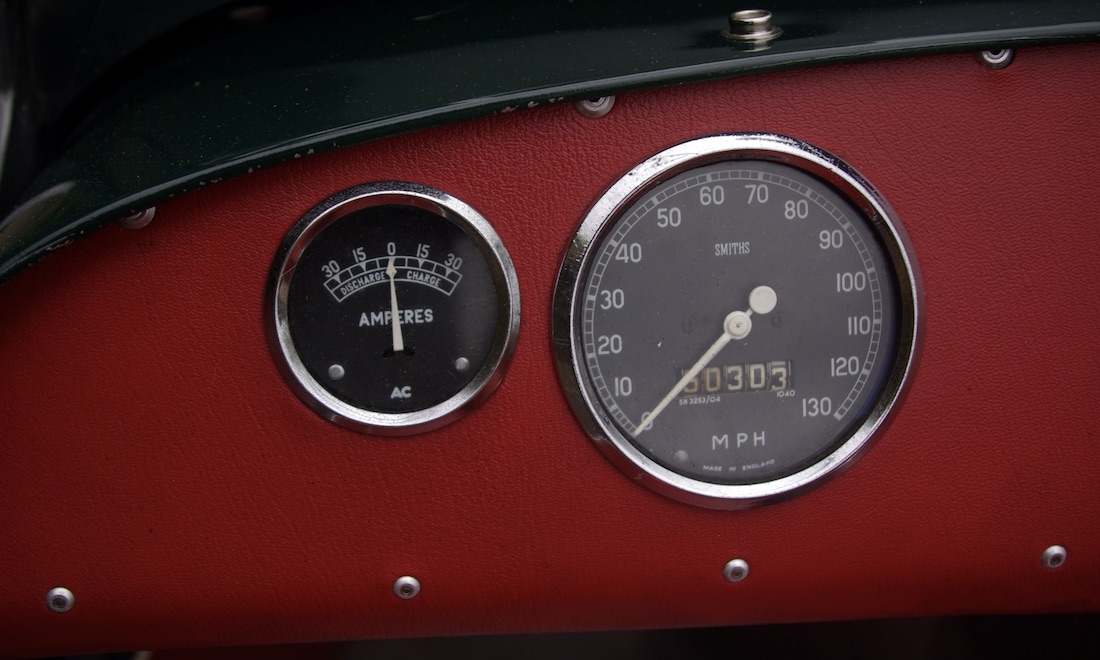
If we're being picky (which of course we are known for), then it's worth noting that whilst the AC ammeter, Smiths 130 mph speedo and Smiths 8,000 rpm tacho are all as they should be, the Smiths oil pressure and water temperature gauges should technically both be AC. A quick re-wiring of the front indicators through the sidelights would also make them period correct, but we really are splitting hairs here - if that's the grand total of 'faults' that we can find with the car then that clearly speaks volumes!
Much of the paperwork in the owners' folder relates to the process of importing the car back to the UK and securing the all important use of the original number plate, a process which appears to have taken almost a full year, with the original registration finally confirmed as valid by the DVLA on 25th January 2016. The current V5 lists the car as having been first registered on 1st January 1968, which is a common DVLA 'rounding error' applied to many cars being repatriated from abroad with no specific first registration date available (Lotus having unfortunately lost the relevant records).
Since then the sort of bills you'd associate with gentle 'sunny day' usage have been collated and are held on file, as are MOT certificates dating from August 2015 through to 2020, after which they become more sporadic (not being in any way essential of course) but a current MOT, valid until May next year is nevertheless provided with the car.
All in all, what more - or indeed what less - could you want?! MKM 353F just feels 'right' - and looks right too. A simply unique driving experience in a bargain bucket period 'supercar' that's as thrilling and pure today as it's always been.
October 19th at 08 : 01 PM
October 19th at 08 : 00 PM
October 19th at 08 : 00 PM
October 19th at 07 : 59 PM
October 19th at 07 : 59 PM
October 19th at 07 : 45 PM
October 19th at 07 : 45 PM
October 19th at 07 : 29 PM
October 19th at 07 : 29 PM
October 19th at 07 : 21 PM
October 19th at 07 : 21 PM
October 19th at 07 : 20 PM
October 19th at 07 : 20 PM
October 19th at 01 : 53 PM
October 18th at 10 : 23 PM
October 18th at 07 : 58 PM
October 18th at 07 : 57 PM
October 18th at 07 : 57 PM
October 18th at 06 : 26 PM
October 18th at 11 : 43 AM
Hi MAC68. Many thanks for your question and bid. When we inspected the car there didn't seem to be any oil around the spark plugs. To us it was more a case of the paint flaking off and the dark casting of the cylinder head showing through. We have spoken to the people who look after the car for the owner and they have confirmed this is the case. Hope this helps.
October 13th at 10 : 38 AM
October 13th at 07 : 39 AM
October 12th at 03 : 02 PM
Hi What is the black fluid residue adjacent and below each spark plug. Is there a leak at the rocker cover gasket? Regards
October 11th at 01 : 29 PM
October 10th at 05 : 14 PM
October 07th at 06 : 51 PM
Hi, the car is located near Ninfield in East Sussex, TN39. Please just let us know if you'd like to arrange a viewing.








COMMENTS